廣告
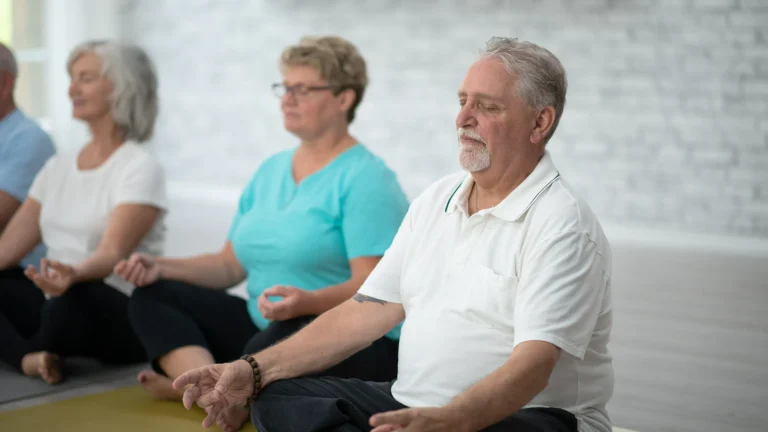
Enhancing self-regulation through a structured morning meditation practice offers older adults a proven path toward steady attention, calmer stress responses, and improved cognitive flexibility.
Navigating emotional shifts, focus hurdles, or daily routine changes requires reliable internal tools.
As we age, maintaining executive function and emotional stability becomes vital for independent, vibrant living.
重點總結
- Understanding the Core: Self-regulation helps manage emotions, attention, and physiological stress responses.
- Brain Health Impact: Daily practice strengthens executive functioning pathways in the aging brain.
- Morning Timing: Early practice aligns with natural cortisol rhythms for maximum daily resilience.
- Practical Steps: Simple breathwork and body scans yield noticeable cognitive and emotional gains.
What Is Self-Regulation and Why Does It Matter for Seniors?
Self-regulation refers to the ability to monitor and manage energy states, emotions, thoughts, and behaviors.
It allows individuals to respond appropriately to environmental demands rather than reacting purely on impulse.
For older adults, this internal control center drives everything from managing physical discomfort to adapting to lifestyle changes.
The aging brain experiences structural transformations, particularly within the prefrontal cortex. This region oversees decision-making, emotional balance, and working memory.
When self-regulatory capacity dips, minor daily stressors often trigger elevated anxiety or cognitive fatigue.
Building strong regulatory habits counteracts these physiological shifts.
By practicing intentional mindfulness each morning, seniors train their nervous systems to remain balanced, fostering long-term psychological health and everyday independence.

How Does Morning Meditation Support Executive Function and Attention?
Executive functioning encompasses cognitive processes that enable goal-directed behavior, including working memory, flexible thinking, and self-control.
Morning meditation acts as a targeted exercise for these exact neural networks.
During meditation, the brain practices shifting focus back to an anchor—such as the breath—whenever attention wanders.
This continuous loop strengthens the anterior cingulate cortex and prefrontal networks.
Clinical studies highlighted by the 國家補充與綜合健康中心 demonstrate that mind-body practices help preserve attention spans and stress processing mechanisms in mature adults.
Regular practice also decreases activity in the Default Mode Network (DMN). An overactive DMN correlates with excessive mind-wandering, health worries, and repetitive negative thinking patterns.
Why Is the Morning the Best Time for Seniors to Practice Meditation?
Cortisol levels naturally peak shortly after waking, a biological mechanism known as the cortisol awakening response (CAR).
For seniors managing chronic stress or sleep architecture changes, this spike sometimes manifests as morning jitteriness or early anxiety.
Meditating shortly after waking softens this neuroendocrine surge.
++ 克服晚年對冥想的疑慮
Establishing a consistent morning routine sets a calm physiological baseline before daily activities, digital inputs, or physical discomforts interfere with focus.
- Consistent Habit Stacking: Linking practice to an established morning habit, like waking up or brewing tea, improves long-term consistency.
- Optimal Cortisol Alignment: Calming the nervous system during its natural peak stress response reduces daytime autonomic arousal.
- Sustained Energy Preservation: Minimizing early emotional volatility conserves mental and physical energy throughout the afternoon.

What Are the Core Mechanisms Behind Meditation and Emotional Control?
Meditation alters the structural dynamics of key brain regions involved in stress and emotion processing.
閱讀更多: 老年人透過冥想培養不帶評判的覺察力
Neuroimaging shows that long-term practice alters gray matter density, helping older adults maintain neuroplasticity.
| Brain Region / Mechanism | Biological Function | Direct Impact on Senior Self-Regulation |
| 前額葉皮質 | Executive decision-making, attention control | Enhances focus, reduces impulsivity, and sharpens daily clarity |
| 杏仁核 | Threat detection, fear and stress response | Lowers emotional reactivity and panic during challenging situations |
| Vagus Nerve Activation | Parasympathetic nervous system engagement | Slows heart rate, lowers blood pressure, and aids physical recovery |
| Alpha Brain Waves | Conscious, relaxed mental state | Reduces racing thoughts while maintaining wakeful clarity |
Through these biological shifts, morning practice builds emotional resilience. Seniors experience fewer abrupt mood swings, responding to frustrating events with measured composure rather than stress.
How Can Seniors Start Enhancing Self-Regulation in 5 Simple Steps?
Beginning a meditation habit does not require long periods of silence or rigid postures. Consistency and comfort take precedence over duration.
Find a Supported Position: Sit upright in a comfortable chair with back support. Place feet flat on the floor to maintain stability and alertness.
Establish the Breath Anchor: Close the eyes gently or soften your gaze toward the floor. Inhale slowly through the nose for four counts, expanding the abdomen, then exhale for six counts.
Perform a Brief Scan: Notice physical sensations from head to toe. Acknowledge tightness, warm areas, or discomfort without attempting to fix or judge them.
Observe Without Attachment: When thoughts about daily chores, health, or family arise, label them simply as “thinking” and return focus to the breath.
Transition Gently: After five to ten minutes, open your eyes slowly. Take one deep breath before standing up to start daily tasks.
Which Types of Meditation Offer the Highest Information Gain for Aging Brains?
Different mindfulness techniques target distinct neural pathways. Choosing the right style depends on individual health goals, mobility, and cognitive preferences.
Focused Attention Meditation (FAM)
FAM involves centering awareness on a single point, usually the physical sensation of breathing.
When the mind strays, gently redirect focus back to the breath. This style directly builds attentional capacity and aids seniors struggling with concentration or memory gaps.
Open Monitoring Meditation (OMM)
Instead of focusing on one object, OMM involves observing all internal experiences—sensations, thoughts, and environmental sounds—without attachment or judgment.
This approach enhances cognitive flexibility, helping individuals process physical discomfort or life changes with greater emotional distance.

Loving-Kindness Meditation (LKM)
LKM utilizes phrases of goodwill directed toward oneself and others.
來自研究 加州大學柏克萊分校美好生活科學中心 emphasizes that compassion-focused practices increase positive affect while reducing social isolation feelings among older adults.
How Does Practice Adapt to Mobility or Physical Discomfort?
Physical discomfort often distracts seniors during meditation. Adapting the setup ensures that physical pain does not impede cognitive benefits.
Using supportive cushions, sitting in a comfortable armchair, or practicing lying down on a firm mattress accommodating back pain keeps the mind focused.
Chair-based mindfulness postures provide stability without straining hips or knees.
If physical pain persists during practice, redirect attention toward the sensation as a neutral observer.
Note its intensity, temperature, or location without adding emotional distress. Learning to separate raw physical sensation from emotional reaction forms a cornerstone of advanced self-regulation.
What Role Does Respiratory Control Play in Self-Regulation?
Breathing mechanics directly influence the autonomic nervous system. Short, shallow breathing signals danger to the brain, activating the sympathetic “fight-or-flight” response.
Extending the exhale longer than the inhale stimulates the vagus nerve. This triggers the parasympathetic nervous system, slowing heart rate and lowering blood pressure.
Over time, controlled morning breathwork retrains the body’s baseline stress response, giving seniors greater control over sudden anxiety flares.
How Long Does It Take to See Measurable Improvements?
Consistency outperforms duration when training the nervous system. Practicing just 8 to 10 minutes daily produces observable changes in attention and emotional composure within four to six weeks.
Initial improvements often appear as subtle daily shifts. You might notice less frustration during routine delays, clearer decision-making during busy mornings, or faster recovery from minor disagreements.
Cognitive testing consistently reveals that regular daily micro-practices yield better outcomes than sporadic, lengthy sessions.
常見問題解答
Can morning meditation replace prescribed medications for anxiety or executive function?
No. Meditation serves as a complementary wellness tool that supports emotional regulation and cognitive health.
Always consult your primary healthcare provider before making any changes to medication or treatment plans.
What should I do if my mind will not stop wandering during practice?
Mind-wandering is a normal human experience, not a failure. The moment you realize your mind has drifted 是 the moment of mindfulness.
Gently notice the distraction and return awareness to your breath.
How does morning meditation differ from meditating right before bed?
Morning meditation focuses on setting a clear, attentive, and regulated tone for the waking hours ahead.
Evening meditation typically emphasizes deep physical relaxation and winding down for sleep.
Is guided meditation as effective as silent meditation for older adults?
Yes. Guided meditations offer structured support, which helps prevent distraction and provides clear instructions.
They work exceptionally well for beginners or individuals experiencing heightened anxiety.
++ Unlocking the power of morning meditation
++ Want to Move Through Your Day With Ease? Try Morning Meditation