廣告
Welcome to our guide on Building Stronger Observation Skills for older adults seeking better cognitive health. You will discover practical strategies to enhance daily mindfulness.
Below, we explore the science of mindfulness, actionable techniques, and tangible benefits.
Seniors can easily integrate these healthy habits into their routines for improved mental clarity.
Aging naturally changes how our human brains process environmental details. Fortunately, targeted mental exercises offer proven ways to maintain sharp perception and cognitive resilience over time.
We will answer common questions about starting a contemplative practice today.
Prepare to learn effective methods that genuinely support healthy aging and sustained independent living.
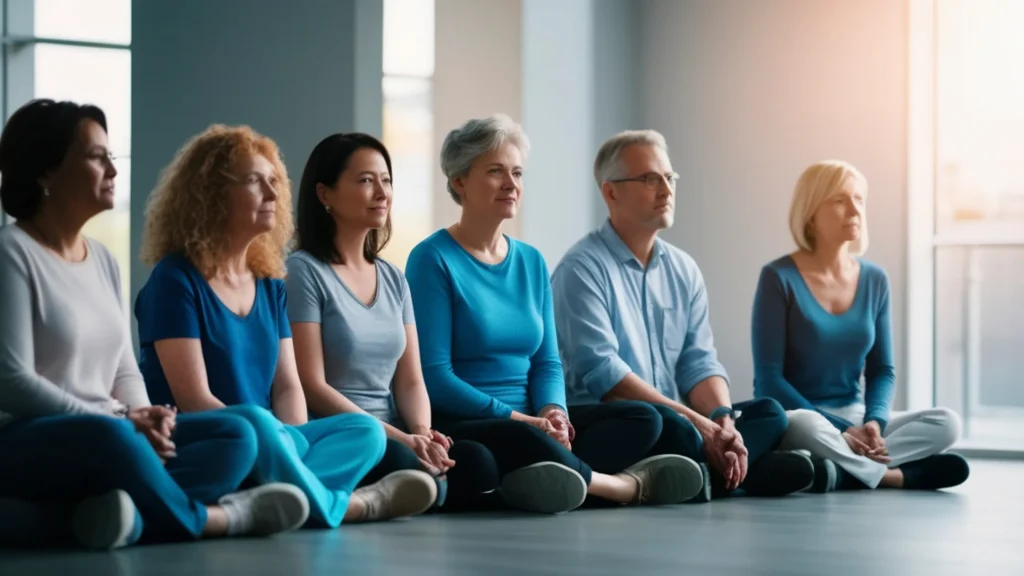
What is the connection between aging and perception?
Sensory functions naturally decline as people advance in years. Minor details easily escape our attention when cognitive load increases during complex daily activities and tasks.
Engaging in mental fitness routines helps counteract this natural decline.
Regular contemplative exercises stimulate neural pathways responsible for processing visual and auditory information accurately.
Clinical research shows that focused attention training strengthens the prefrontal cortex.
This specific brain region manages executive functions, directly impacting how we notice subtle environmental changes.
Developing a sharp mind requires consistent effort and patience. Older adults who commit to simple daily routines often report feeling more present and globally aware.
How does mindfulness improve daily awareness?
Training your brain to focus on the present moment enhances perceptual acuity.
Building Stronger Observation Skills begins with acknowledging your immediate surroundings without passing judgment.
Practitioners learn to anchor their wandering thoughts during quiet reflection. Redirecting attention back to a chosen focal point naturally trains the mind to ignore distracting stimuli.
Over time, this repetitive mental workout translates into real-world alertness.
You start noticing the vibrant colors of autumn leaves or the quiet chirping of neighborhood birds.
Many individuals find that enhanced presence reduces everyday accidents.
Being fully aware of uneven sidewalks or misplaced household objects significantly prevents unexpected falls and minor injuries.
Better awareness also enriches social interactions with friends and family members.
Paying close attention to subtle facial expressions fosters deeper emotional connections and better communication overall.
Why should older adults practice focused breathing?
Focusing on respiration provides a reliable anchor for wandering minds.
This fundamental technique requires no special equipment, making it highly accessible for seniors living almost anywhere.
Deep abdominal breathing actively stimulates the parasympathetic nervous system.
Activating this biological response lowers stress hormones, which usually cloud thinking and reduce perceptual sharpness significantly.
Lowering anxiety levels allows your brain to allocate resources efficiently. Calm individuals process sensory data much faster than those experiencing chronic stress or generalized daily worry.
Beginners often start by counting their inhalations and exhalations softly. Tracking these rhythmic movements builds the foundational concentration needed for advanced observational exercises later on.
You can find excellent resources on physiological responses to relaxation at the 美國國家老化研究所, which offers valuable insights into healthy senior living practices.
Which specific techniques yield the best results?
Body scan exercises remain highly effective for enhancing physical perception. Mentally checking each muscle group trains your internal focus to detect subtle physiological sensations incredibly accurately.
Another powerful method involves mindful walking through familiar nature paths. Feeling the solid ground beneath your feet cultivates an intense connection to your immediate physical environments.
Object concentration requires staring at a simple item for several minutes.
Memorizing the unique texture, vibrant color, and organic shape of a resting leaf dramatically sharpens visual tracking abilities.
Active listening practices demand sitting quietly while identifying distant background sounds.
Isolating individual noises among a chaotic soundscape improves auditory processing and environmental awareness significantly today.
Consistently applying these varied methods prevents routine boredom and stagnation.
Building Stronger Observation Skills requires engaging different senses to maximize neuroplasticity and overall cognitive growth.
What are the scientifically proven cognitive benefits?
Empirical data clearly supports the positive impact of contemplative practices.
Neuroimaging studies consistently reveal increased gray matter density in long-term practitioners across all older adult demographics.
Memory retention and recall speed often improve within mere months.
請點擊此處閱讀: 冥想有助於老年人改善睡眠-覺醒節律穩定性
Seniors participating in structured programs demonstrate measurable gains in standard psychological evaluations and clinical attention tests.
Managing frustration stands out as a crucial secondary psychological benefit.
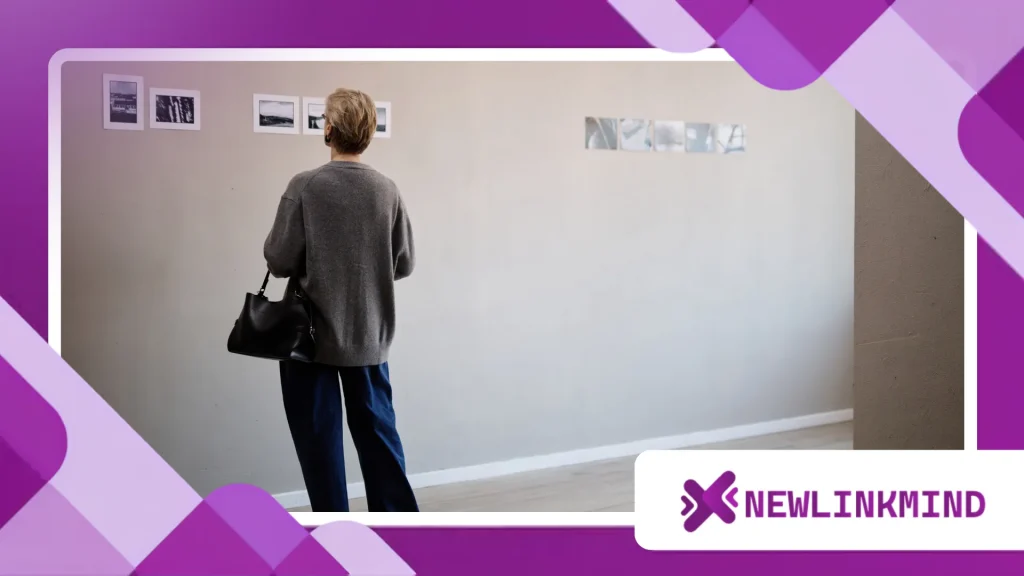
Emotional regulation helps maintain clear thinking during complex situations requiring high levels of sustained mental focus.
| Cognitive Area | Measured Improvement Focus | Typical Timeframe |
| 持續注意力 | Reduced mind-wandering frequency | 4 to 8 weeks |
| 工作記憶 | Faster recall of recent visual cues | 8 to 12 weeks |
| Executive Function | Better multi-tasking and error detection | 12+ weeks |
| Visual Perception | Faster identification of subtle details | 8 weeks |
Analyzing these clinical metrics reveals a direct correlation between consistency and results. Regular practice yields compounding benefits that protect against age-related cognitive decline over several years.
When is the ideal time to practice?
Morning sessions generally produce the most significant results for eager beginners.
Your mind remains relatively uncluttered before daily responsibilities and news consumption occupy your valuable attention.
Establishing a predictable routine immediately after waking builds strong lifelong habits.
Tying your quiet time to morning coffee or tea creates a reliable behavioral trigger naturally.
However, afternoon sessions offer an excellent energy reset for many seniors. Taking a short midday pause clears mental fatigue and completely restores your capacity for sharp perception.
Ultimately, the best schedule is one you can maintain consistently. Building Stronger Observation Skills demands regular repetition rather than rigid adherence to arbitrary clock times.
What are the everyday applications of these abilities?
Improved perception directly influences practical aspects of independent senior living.
Finding lost keys becomes much easier when you naturally observe where you place household items daily.
Driving safety increases dramatically alongside enhanced visual tracking and mental focus.
Catching peripheral movements quickly allows for faster reaction times during unpredictable and challenging traffic situations.
Furthermore, cooking transforms into a significantly safer and more enjoyable experience.
Noticing subtle changes in food texture or heat levels prevents culinary accidents and kitchen burns.
Engaging with beloved grandchildren also benefits from heightened presence and attention.
You will capture fleeting moments of joy and subtle emotional expressions that you previously missed.
Why is neuroplasticity crucial for aging brains?
Science once believed human brains stopped developing after early adulthood.
Modern neurologists now confirm that our complex neural networks can reorganize themselves throughout our entire lifespans.
This biological adaptability allows older individuals to acquire amazing new capabilities.
When you actively challenge your perception, your central nervous system builds fresh and highly efficient pathways.
Building Stronger Observation Skills relies entirely on this incredible structural flexibility.
Continuous mental stimulation forces aging neurons to forge robust connections that successfully resist typical cognitive decline.
Protecting these neural networks requires proper sleep and balanced daily nutrition.
Pairing a healthy physical lifestyle with regular mindfulness sessions maximizes your brain’s inherent regenerative potential.

結論
Cultivating a sharper mind remains entirely possible at absolutely any age. Integrating simple contemplative habits into daily routines profoundly transforms how you experience the vibrant world.
We encourage all older adults to explore these accessible mental techniques.
Empower yourself to maintain true independence through improved environmental awareness and enhanced daily perceptual clarity.
Consistent dedication to Building Stronger Observation Skills yields undeniable lifelong rewards.
Start your exciting journey today and happily embrace a more vibrant, attentive, and engaged senior lifestyle.
For further exploration of healthy aging strategies and cognitive maintenance, review the comprehensive resources at 哈佛健康出版社, which constantly features excellent medical insights.
常見問題解答
What is the fastest way to see results?
Daily consistency accelerates cognitive adaptations much better than occasional long sessions. Practicing ten minutes every single day yields noticeable perceptual improvements within roughly four weeks.
Which time of day works best for seniors?
Early mornings typically provide the quietest environment for focused mental training. Nevertheless, choosing a convenient time that fits your unique lifestyle ensures much better long-term adherence.
How does poor hearing affect these observation exercises?
Visual and tactile methods perfectly accommodate those experiencing significant hearing loss.
Focusing on physical sensations offers identical cognitive benefits without relying on standard auditory input.
++ Mindful Aging: The Power of Meditation and Mindfulness for Seniors