advertisements
Learning how to improve work-life transitions is essential for maintaining daily mental well-being, avoiding burnout, and establishing clear boundaries between professional responsibilities and personal life.
For many professionals in the United States, ending the workday no longer means physically leaving an office; remote work and flexible hours often blur the line between being “on” and being off the clock.
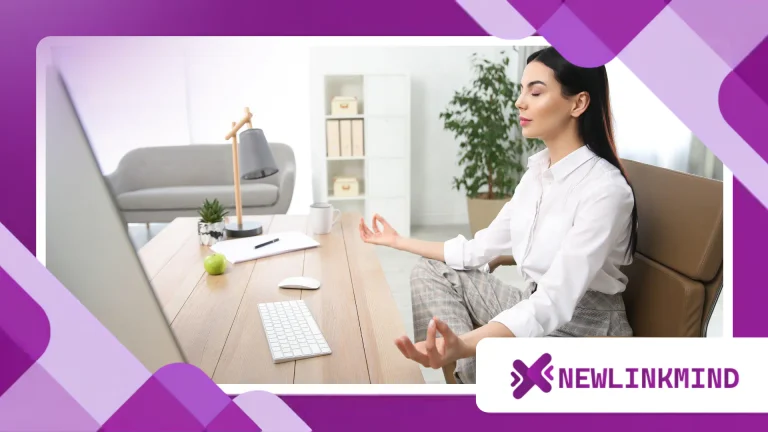
Incorporating brief workplace meditation sessions into your daily shift provides a psychological buffer, helping you shift gears cleanly from high-stress work demands to meaningful home life.
Key Takeaways
Clear Psychological Boundaries
Short meditation practices create an intentional buffer between work tasks and home life.
Lower Stress Accumulation
Releasing work tension at the end of the shift prevents chronic stress from spilling over into personal hours.
Enhanced Focus and Presence
Taking time to reset helps you remain fully engaged with family, hobbies, and personal time.
Simple Low-Barrier Habits
Practicing just 5 to 10 minutes of daily mindfulness around your wrap-up routine yields measurable benefits over time.
Why Work-Life Transitions Are Difficult
The human brain does not automatically switch off work mode when an email account is closed or a laptop lid is shut.
High-pressure meetings, tight deadlines, and complex problem-solving stimulate the sympathetic nervous system, leaving the body and mind in a state of heightened alertness.
Without an intentional reset, this physiological tension persists into evening routines, leading to fatigue, irritability, and continuous rumination about work tasks.
Transition difficulties are particularly common among remote and hybrid workers. The lack of a physical commute removes a traditional physical and temporal boundary.
When your workspace sits just steps away from your kitchen or living area, mental detachment becomes significantly harder to achieve.

How Workplace Meditation Supports Daily Transitions
Workplace meditation acts as a bridge between active work states and personal downtime.
Mindfulness practice activates the parasympathetic nervous system, lowering heart rate and signaling to the brain that the immediate demands of the workday have ended.
Mindfulness also encourages meta-awareness—the ability to observe thoughts about work without feeling compelled to act on them immediately.
Rather than carrying unfinished projects mentally into dinner or social activities, meditation helps process and safely store those thoughts until the next working day.
Research published by organizations like the National Center for Complementary and Integrative Health highlights how mindfulness and meditation practices help lower stress, improve emotional regulation, and support overall health.
Effective Workplace Meditation Techniques for Transitioning
You do not need an hour-long session or special equipment to reset your focus. The following techniques can be completed right at your desk or in a quiet room at the end of your shift.
++ Navigate Workplace Uncertainty Using Workplace Meditation
The 5-Minute Desk Reset
Right before closing your work applications for the day, sit comfortably with your feet flat on the floor.
Close your eyes or lower your gaze. Inhale deeply through your nose for four counts, hold for two counts, and exhale slowly through your mouth for six counts.
Read more: Workplace Meditation for Remote Employees
Repeat for five minutes, keeping your attention entirely on the sensation of breathing.

The Mental Offloading Body Scan
Immediately after completing your final task, bring awareness to each part of your body starting from your feet and moving up to your head.
++ Try Slow Flow for Recovery Days With Yoga at Home and Breathwork
Notice areas holding physical tension, such as the shoulders, jaw, or lower back. Consciously release that tension with each exhale, acknowledging that physical stress from work tasks is being let go.
Intentional Transition Visualization
During the last few minutes of your official work hours, visualize your work tasks being stored securely inside a digital folder or physical workspace drawer.
Picture closing that space tightly until tomorrow morning. Shift your visual focus to your upcoming evening, picturing yourself fully present during personal activities.
Open-Monitoring Mindfulness
Take a ten-minute walk immediately after logging off without listening to work calls, podcasts, or checking phone notifications.
Pay attention exclusively to immediate sensory input, such as the temperature of the air, the sound of footsteps, or visual surroundings. This brings attention back to the present moment.
Comparing Work-Life Transition Strategies
While workplace meditation is a highly effective tool, combining it with complementary habit changes often produces the best long-term results.
| Transition Strategy | Primary Mechanism | Required Time | Key Benefit | Potential Challenge |
| Workplace Meditation | Parasympathetic nervous system activation | 5–10 minutes | Direct stress reduction & mental clarity | Requires initial discipline and focus |
| Physical Commute / Walk | Spatial and sensory shift | 15–45 minutes | Clear physical separation | Can be stressful in heavy traffic |
| Shutdown Ritual | Task organization & closure | 10–15 minutes | Reduces anxiety over unfinished work | Does not address physical body tension |
| Exercise Routine | Physical exertion & endorphin release | 30–60 minutes | High physical stress relief | Requires significant time and energy |
Step-by-Step Guide: Building an End-of-Day Shutdown Routine
To maximize the benefits of workplace meditation, anchor it within a structured shutdown routine.
Following a consistent set of actions signals to your brain that the workday is officially over.
Step 1: Review and Plan
Scan your task list and write down priority items for tomorrow so your mind does not attempt to remember them overnight.
Step 2: Clear Your Space
Clean your desk, close unnecessary browser tabs, and organize physical papers.
Step 3: Practice Workplace Meditation
Complete a brief breathing or body scan exercise to release physical and mental tension.
Step 4: Mark the Hard Stop
Turn off your monitor, shut down work communication tools, and step away from the workspace.
For broader strategies on managing workplace stress and setting effective boundaries, resources provided by the Occupational Safety and Health Administration offer guidance on maintaining healthy working environments and psychological well-being.

Common Mistakes to Avoid
Meditating While Checking Work Messages
Keep notification sounds turned off during your meditation period to avoid breaking concentration.
Expecting Instant Silence in the Mind
It is normal for work thoughts to surface during practice. Simply notice them and return your attention to your breath.
Inconsistent Timing
Practicing irregularly makes it harder to build a strong psychological habit. Aim for the exact end of your working shift each day.
Frequently Asked Questions
How long should a workplace meditation session last?
Even 3 to 5 minutes of focused breathing can effectively shift your nervous system out of work mode.
Aiming for 5 to 10 minutes provides a balance of convenience and practical stress relief for most professionals.
Can workplace meditation help remote workers separate work and personal life?
Yes. For remote workers lacking a commute, a brief end-of-day meditation serves as a clear digital and mental boundary, marking the explicit end of the professional shift.
What should I do if my mind keeps wandering back to work during meditation?
Mind-wandering is a normal part of mindfulness practice. When you notice a thought about work, acknowledge it without frustration and gently redirect your focus back to your breath or body sensations.
Is it better to meditate at the desk or in a different location?
While practicing at your desk is effective, stepping away to a different chair, quiet room, or outdoor space can strengthen the physical cues associated with stepping away from work responsibilities.
++ Workplace Meditation: Boosting Corporate Productivity and Well-being
++ Mindful Working: The Best Practices for Bringing Mindfulness to Work