
advertisements
Learning how to stay grounded during organizational change through targeted workplace meditation gives professionals a practical cognitive anchor.
Meditation in the workplace is no longer an employee perk; it is a core capability for sustaining performance and psychological safety amidst corporate turbulence.
Unannounced restructuring, shifting leadership priorities, and sudden digital transformations have made organizational volatility the standard operating environment for corporate America.
When companies undergo deep structural pivots, workers experience cognitive overload and anxiety, leading directly to burnout and operational paralysis.
Standard stress management advice often fails because it treats the symptom rather than changing how the mind processes uncertainty.
Key Takeaways
- The Neuroscience of Change: How workplace uncertainty triggers the amygdala and why traditional coping strategies fall short.
- Micro-Grounding Techniques: Practical, non-disruptive meditation frameworks designed for high-stress corporate environments.
- Managerial Strategies: How team leaders can integrate mindfulness rituals to maintain productivity during transitions.
- Measurable ROI: The concrete operational benefits of workplace meditation backed by neuroscience research.
Why Is Organizational Change So Stressful for Employees?
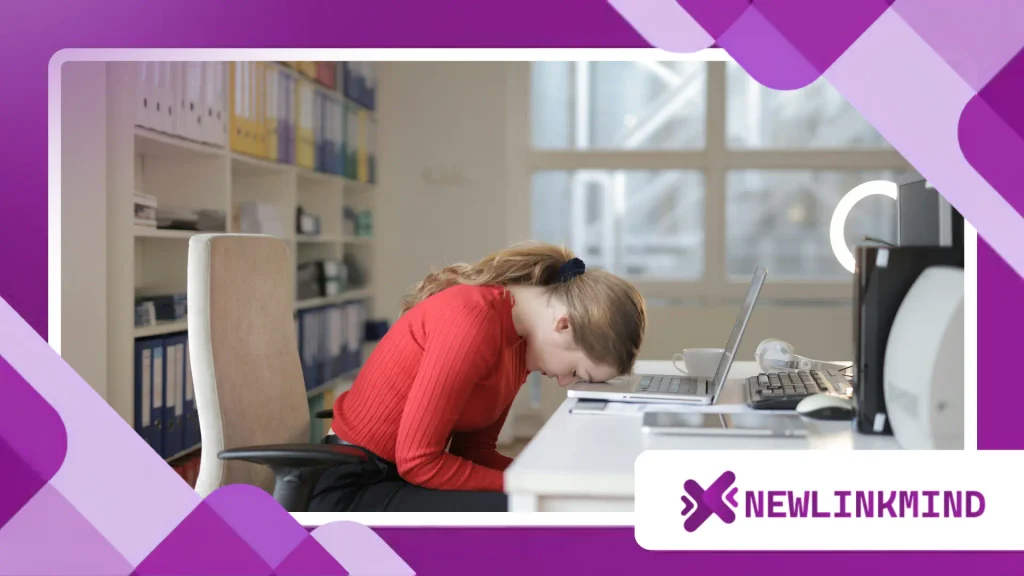
The human brain interprets rapid workplace shifts—such as layoffs, mergers, or strategy pivots—as existential threats.
When organizational predictability disappears, the brain’s threat detection system fires continuously, flooding the body with cortisol and adrenaline.
When organizational triggers occur, such as restructuring or strategy shifts, they initiate a cognitive impact starting with an amygdala hijack and high cortisol levels.
This directly results in prefrontal cortex fatigue. Consequently, companies suffer from operational consequences including impaired decision-making, chronic fatigue, and reduced collaboration across departments.
This biological response degrades the prefrontal cortex functions responsible for strategic thinking, creative problem-solving, and emotional regulation.
Employees struggling under this strain show marked declines in engagement and higher rates of absenteeism.
Traditional wellness initiatives often address this stress retroactively through off-site retreats or generic wellness apps.
Grounded meditation practices, by contrast, train the nervous system to remain stable in real time as shifts occur.

How Does Meditation Help You Stay Grounded During Organizational Change?
Workplace meditation stabilizes attention by retraining the default mode network (DMN) in the brain—the region responsible for mind-wandering, rumination, and catastrophizing about future scenarios.
Regular practice builds neuroplastic changes in the brain that strengthen stress resilience across key neurological regions:
Prefrontal Cortex: Experiences increased gray-matter density, leading to enhanced executive control and better focus.
Amygdala: Shows decreased volume and reactivity, which directly reduces feelings of panic and acute anxiety.
Anterior Cingulate Cortex: Demonstrates improved neural connectivity, enabling faster cognitive switching between complex tasks.
Instead of reacting impulsively to corporate announcements or reorganizations, mindfulness trains professionals to insert a pause between stimulus and response.
This mental space allows individuals to process incoming information objectively rather than through fear.
Extensive clinical research published by the National Center for Complementary and Integrative Health confirms that structured mindfulness programs measurably lower systemic inflammation and physiological markers of stress in working populations.
Which Workplace Meditation Techniques Work Best During Corporate Shifts?
Not all meditation styles fit corporate environments. Sitting in lotus position for forty minutes is rarely feasible before a high-stakes meeting.
++ Prevent Afternoon Mental Slumps With Workplace Meditation
Micro-grounding protocols—brief, targeted practices lasting from sixty seconds to five minutes—deliver immediate nervous system regulation without disrupting your schedule.
Comparison of Grounding Techniques for Busy Professionals
| Technique | Duration | Primary Benefit | Best Used When |
| Box Breathing (4-4-4-4) | 1 to 3 Minutes | Calms autonomic nervous system | Immediately before or after tense meetings |
| 5-4-3-2-1 Sensory Scan | 2 Minutes | Interrupts panic and catastrophic thinking | Experiencing sudden anxiety or bad news |
| Body Scan Grounding | 5 Minutes | Releases physical muscle tension | Starting the workday or during lunch breaks |
| Focused-Attention Breathwork | 3 to 5 Minutes | Restores deep concentration | Switching tasks amid shifting priorities |
1. Box Breathing Protocol
Box breathing resets the autonomic nervous system by balancing oxygen and carbon dioxide levels in the blood, slowing down elevated heart rates.
Read here: Reduce Mental Spillover After Work With Workplace Meditation
- Inhale: Breathe in through your nose for a count of 4 seconds.
- Hold: Retain the air in your lungs for 4 seconds.
- Exhale: Release the breath smoothly through your mouth for 4 seconds.
- Hold: Keep your lungs empty for a count of 4 seconds.
- Repeat: Complete 4 full cycles.
2. The 5-4-3-2-1 Grounding Technique
When anxiety pulls your mind into hypothetical future crises, sensory grounding forces the brain back into the immediate physical environment.
5 Things You See: Look around your workspace and notice tiny details—a shadow on the wall, a pen’s texture, lighting angles.
4 Things You Feel: Pay attention to physical sensations—your feet pressing into the floor, the back of your chair, your hands on the desk.
3 Things You Hear: Tune into ambient environmental sounds—the hum of the air conditioner, distant traffic, keyboard typing.
++ Explore Walking Yoga Trends With Yoga at Home for Gentle Days
2 Things You Smell: Notice any faint scents—fresh coffee, paper, or outside air.
1 Thing You Taste: Focus on the current taste in your mouth or take a slow sip of water.
How Can Leaders Integrate Mindfulness to Protect Team Morale?
Leaders set the emotional tone for their teams during corporate restructuring. Anxiety spreads quickly across departments, but calm leadership acts as a stabilizing force.
Managers who integrate brief mindfulness rituals into daily workflows help their teams navigate uncertainty with steady focus.
Start Meetings With a One-Minute Reset
Beginning team meetings with sixty seconds of quiet breathing signals that emotional regulation is a priority.
This simple habit clears cognitive clutter from previous tasks and ensures everyone enters the conversation focused.
Encourage Psychological Safety
Mindfulness encourages open, non-judgmental awareness. Leaders should invite team members to share concerns about ongoing changes without fear of negative consequences. Acknowledging reality directly builds authentic trust.
Model Healthy Boundary Setting
Corporate transitions often create unrealistic workloads as organizations attempt to do more with fewer resources.
Leaders must model healthy boundaries by taking dedicated breaks and discouraging late-night communication.
Organized corporate initiatives benefit from referencing established, science-backed frameworks.
Organizations looking to implement enterprise-wide wellness programs can evaluate research from the Harvard T.H. Chan School of Public Health on workplace stress and employee retention metrics.

What Are the Long-Term Benefits of Workplace Meditation?
Sustained meditation practice yields benefits that go far beyond immediate stress relief.
Professionals who maintain regular practices develop lasting resilience that protects their careers through repeated industry shifts.
At an individual level, consistent practice builds emotional equilibrium, fosters higher career satisfaction, and lowers the risk of burnout.
At an organizational level, this translates directly to reduced turnover costs, sustained team velocity, and clearer strategic alignment during pivots.
Teams that practice mindfulness maintain higher productivity levels during major corporate shifts.
Instead of spending energy processing panic or gossiping about restructuring, employees channel their efforts toward meaningful work.
Frequently Asked Questions
How long does it take to see benefits from workplace meditation?
Physiological stress reduction occurs almost immediately during a single meditation session, as heart rate and cortisol levels drop.
Long-term neuroplastic changes in the brain—such as reduced amygdala reactivity and increased prefrontal cortex density—typically appear after 8 weeks of consistent 10-minute daily practice.
Can micro-meditations really help during intense workload spikes?
Yes. Micro-meditations lasting from 60 seconds to 3 minutes effectively disrupt the body’s acute stress response.
These short pauses interrupt adrenaline spikes, allowing your executive functioning network to regain control and prevent cognitive exhaustion.
How do I practice meditation at my desk without distracting coworkers?
Focus on low-profile practices such as box breathing, eyes-open sensory tracking, or subtle body scans.
These techniques require no movement or special equipment and can be performed seamlessly during normal work activities without attracting attention.
What should I do if my mind wanders constantly during practice?
Mind-wandering is a normal part of the process, especially during times of organizational uncertainty.
When you notice your thoughts drifting to corporate changes or personal worries, simply observe the thought without self-judgment and gently return your attention to your anchor, such as your breath.
++ The Role of Meditation in Reducing Workplace Stress
++ Why Workplace Mindfulness Training Is Essential for Employee Wellbeing