適合希望增強平衡感和穩定性的老年人的瑜伽
廣告
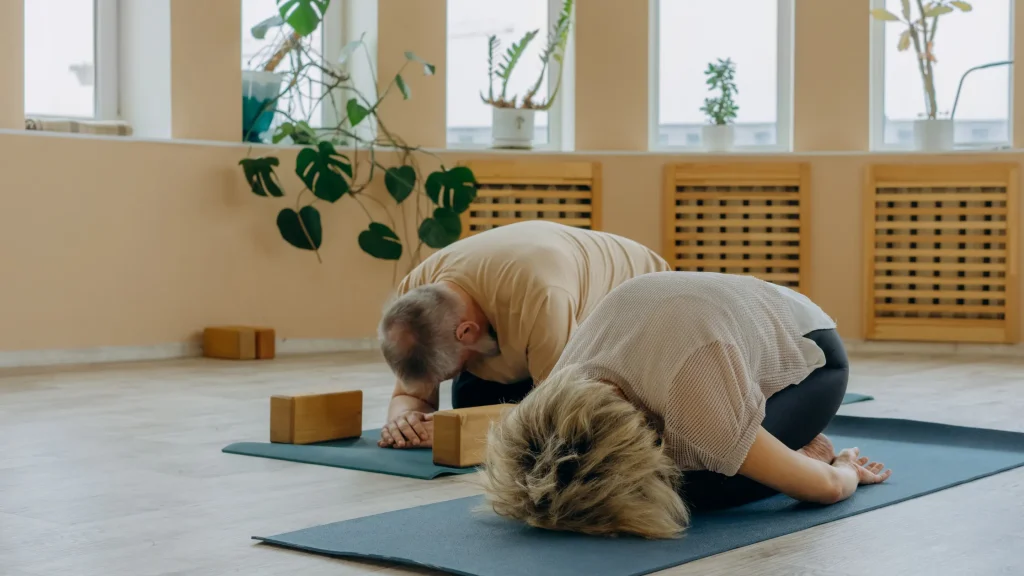
Yoga for seniors who want more balance and stability is becoming an increasingly popular way to support healthy aging through gentle, effective movement.
Regular practice helps improve posture, strengthen muscles, enhance coordination, and increase confidence during everyday activities.
With consistent guidance and safe techniques, seniors can maintain greater independence while reducing the risk of balance-related challenges over time.

What is yoga for seniors and why does balance matter?
Balance naturally changes throughout the aging process.
Muscle mass gradually declines, reaction times become slower, and joints often lose flexibility, making everyday movements more challenging than they once were.
Fortunately, these changes are not entirely unavoidable.
Regular physical activity, particularly exercises combining strength, flexibility, coordination, and mindful movement, helps maintain independence for many older adults.
Yoga accomplishes several important goals simultaneously.
Instead of isolating one physical ability, each session encourages muscles, joints, breathing, concentration, and posture to work together during controlled movements.
Many yoga styles can benefit seniors, although slower approaches usually provide the safest introduction.
Chair yoga, Hatha yoga, and gentle restorative sessions allow participants to develop confidence without unnecessary physical strain.
Healthcare organizations, including the American College of Sports Medicine and the Centers for Disease Control and Prevention, recognize balance-focused exercise as an important component of healthy aging because it supports fall prevention and functional independence.
How does yoga improve balance and stability?
Improved balance develops through consistent practice rather than dramatic workouts.
Every controlled transition between poses teaches the nervous system to respond more efficiently to changing body positions.
Standing poses strengthen muscles surrounding the ankles, knees, hips, and core. These muscle groups stabilize the body during walking, climbing stairs, reaching overhead, and recovering from minor slips.
Breathing exercises also contribute to better movement quality.
Calm, controlled breathing reduces unnecessary muscle tension while encouraging smoother transitions between postures and improved concentration.
Body awareness, known scientifically as proprioception, also improves with practice.
Enhanced proprioception helps individuals recognize body position without constantly relying on visual feedback during movement.
Research published over recent years continues showing that yoga programs designed for older adults can improve balance performance, mobility, lower-body strength, and confidence while reducing fear of falling when practiced consistently.
Which yoga poses help seniors build better stability?
Several beginner-friendly poses specifically strengthen muscles responsible for maintaining balance throughout daily life.
Proper instruction remains more important than performing advanced variations or holding positions for extended periods.
Mountain Pose teaches postural alignment while encouraging equal weight distribution through both feet. Although simple in appearance, this position strengthens awareness of standing mechanics.
Chair Pose gently activates the hips, thighs, abdominal muscles, and back. Modified versions using a sturdy chair allow beginners to develop strength safely without excessive joint stress.
Tree Pose challenges single-leg balance while strengthening stabilizing muscles around the standing ankle and hip. Beginners may lightly touch a wall until confidence gradually improves.
Warrior II develops leg strength, hip stability, and postural endurance.
Holding the position with controlled breathing encourages muscular engagement while promoting better alignment throughout the entire body.
Chair-supported Heel Raises strengthen the calves and ankles, two areas directly involved in maintaining stability during walking. Slow repetitions improve control without requiring complicated movements.

Why is core strength essential for better balance?
Many people associate core strength only with abdominal muscles, yet the core includes muscles surrounding the pelvis, spine, diaphragm, and lower back that stabilize nearly every movement.
Weak core muscles often cause excessive body sway during standing or walking.
Stronger stabilization allows smoother weight transfer between legs while reducing unnecessary strain on surrounding joints.
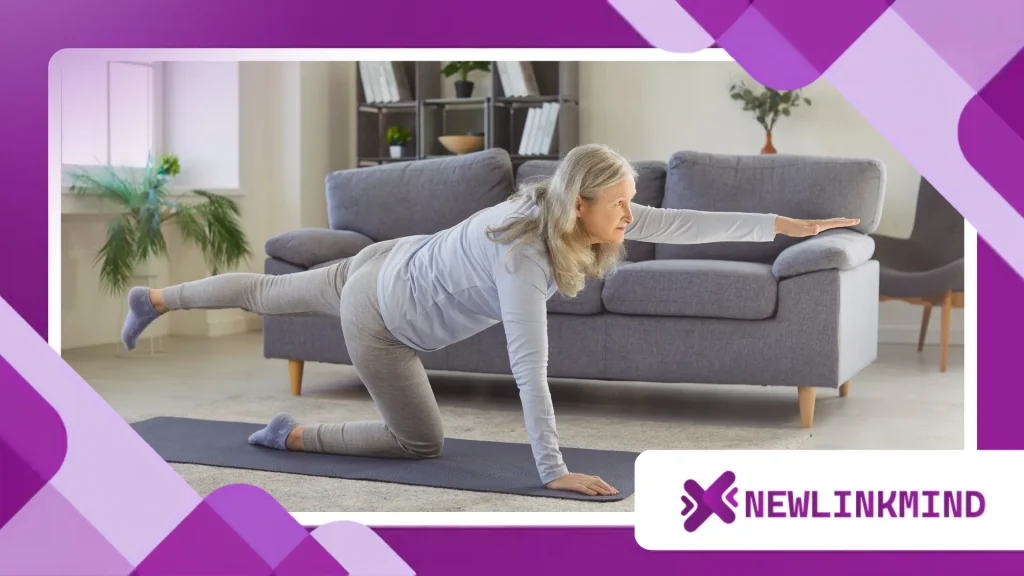
Yoga strengthens the core through sustained postures instead of repetitive abdominal exercises. Gentle engagement during standing poses creates functional strength directly applicable to everyday activities.
Improved trunk stability also supports healthier posture. Better posture positions the body’s center of gravity more efficiently, allowing seniors to react faster when encountering uneven surfaces or unexpected movement.
閱讀更多: 適合老年人的溫和瑜珈:2026 年保持活力的安全姿勢
Because breathing remains integrated throughout yoga sessions, deep stabilizing muscles activate naturally rather than through forced contractions, making improvements both practical and sustainable.
How often should seniors practice yoga?
Most experts recommend beginning with two or three weekly sessions lasting approximately twenty to forty-five minutes, depending on fitness level, medical history, and previous exercise experience.
Consistency produces greater long-term improvements than occasional lengthy sessions. Short, regular practice allows muscles, connective tissues, and the nervous system to adapt safely over time.
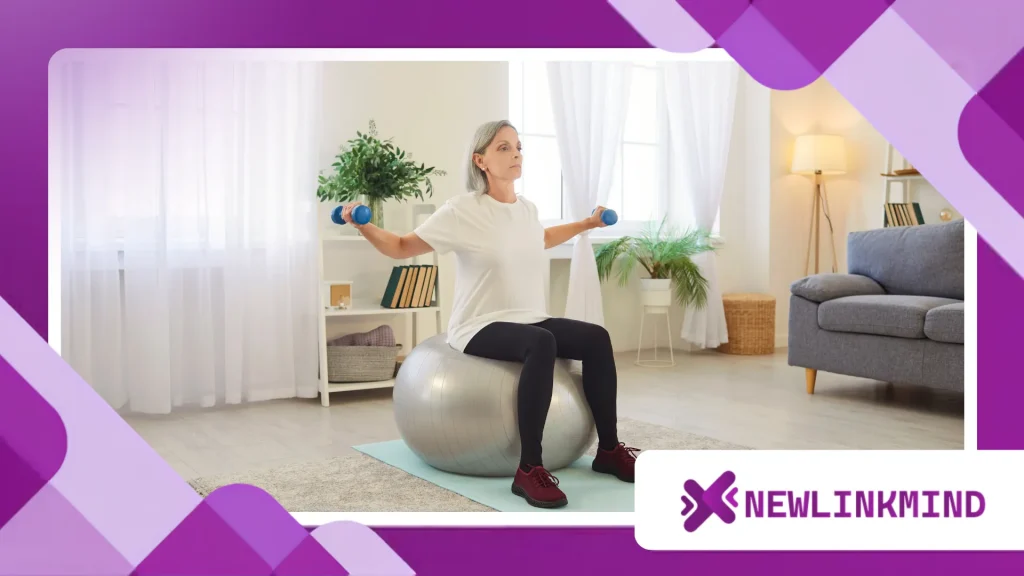
Walking, resistance training, and balance exercises complement yoga exceptionally well.
Combining several forms of movement creates broader physical benefits while supporting cardiovascular health and muscular endurance.
Older adults managing arthritis, osteoporosis, joint replacements, or neurological conditions should consult qualified healthcare professionals before beginning unfamiliar exercise programs
++ 利用職場冥想管理情緒溢出
. Individual modifications often allow safe participation despite medical limitations.
The following recommendations summarize current physical activity guidance for healthy older adults.
| Activity | Recommended Weekly Goal | 主要益處 |
|---|---|---|
| Moderate aerobic activity | At least 150 minutes | Cardiovascular health |
| Muscle-strengthening exercises | At least 2 days | Strength and function |
| Balance-focused activities | 3 or more days if fall risk exists | Stability and fall prevention |
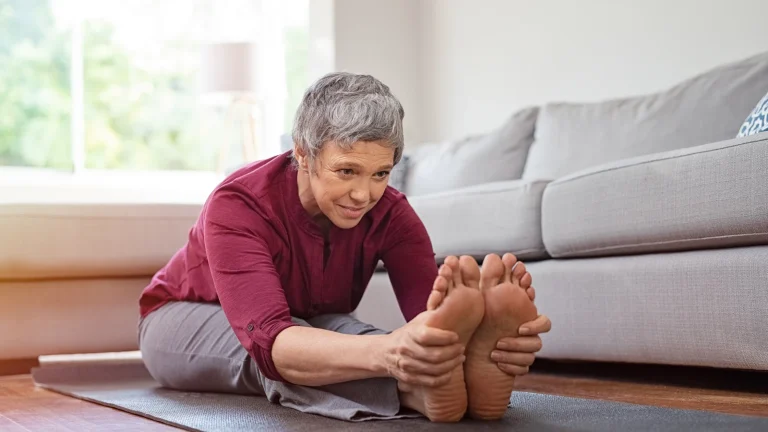
| Flexibility exercises | Several days each week | Joint mobility and movement quality |
Current recommendations align with guidance from the CDC and the Physical Activity Guidelines for Americans.
For practical guidance on balance exercises and fall prevention strategies, visit the CDC’s Healthy Aging resource.

What safety tips should seniors follow before starting yoga?
Beginning slowly remains the most important recommendation. Ambitious progress often increases injury risk, while gradual advancement allows muscles and joints to adapt comfortably.
Stable footwear usually is unnecessary during yoga, although practicing barefoot improves sensory feedback from the feet.
Individuals with medical concerns should follow professional recommendations regarding footwear.
Using supportive equipment dramatically improves safety.
Yoga blocks, sturdy chairs, folded blankets, straps, and nearby walls provide valuable assistance without reducing exercise effectiveness.
Pain should never be ignored. Gentle stretching sensations remain normal, but sharp discomfort, dizziness, chest pain, or unusual shortness of breath require immediate attention and medical evaluation when appropriate.
Certified instructors experienced in teaching older adults understand common age-related limitations.
Their guidance helps modify movements while maintaining proper alignment and reducing unnecessary joint stress.
What long-term benefits can seniors expect?
Regular practice supports independence by improving confidence during ordinary movements.
Walking outdoors, carrying groceries, climbing stairs, and getting out of chairs gradually become more comfortable.
Mental well-being frequently improves alongside physical function.
Mindful breathing, focused movement, and relaxation techniques reduce stress while encouraging greater emotional resilience during everyday challenges.
Joint mobility often increases gradually because muscles surrounding major joints become more flexible and coordinated.
Better mobility supports smoother movement without forcing uncomfortable ranges of motion.
Sleep quality may also improve for some individuals. Relaxation practices performed consistently help calm the nervous system before bedtime while reducing accumulated muscular tension throughout the body.
Over months of regular participation, yoga for seniors who want more balance and stability becomes less about performing poses perfectly and more about moving confidently throughout daily life.
結論
Healthy aging depends on maintaining strength, mobility, confidence, and coordination rather than avoiding physical activity.
Yoga addresses each of these elements through controlled movement, mindful breathing, and progressive balance training.
When practiced consistently and safely, yoga for seniors who want more balance and stability helps improve posture, strengthen supportive muscles, enhance body awareness, and encourage greater independence during everyday activities.
For additional evidence-based information about physical activity recommendations for older adults, review the Physical Activity Guidelines for Americans published by the U.S. Department of Health and Human Services.
常見問題解答
What is the best type of yoga for beginners over 60?
Gentle Hatha yoga, chair yoga, and restorative yoga usually provide excellent starting points because they emphasize controlled movement, proper alignment, and safe progression.
Can yoga reduce the risk of falls?
Yoga cannot eliminate fall risk completely, but regular practice improves strength, balance, coordination, flexibility, and body awareness, all important factors associated with fall prevention.
Is chair yoga effective?
Yes. Chair yoga improves flexibility, posture, mobility, strength, and confidence while reducing demands on the knees and hips, making it an excellent option for many older adults.
How long does it take to notice improvements?
Many beginners notice better flexibility and confidence within several weeks. Meaningful improvements in balance and strength typically develop after consistent practice over several months.
Can seniors with arthritis practice yoga?
Many individuals with arthritis safely participate in appropriately modified yoga programs.
Medical guidance and qualified instruction help ensure movements remain comfortable and suitable for individual health needs.
++ Yoga for Seniors: Poses and Practices for Balance and Fall Prevention
++ 5 yoga balance poses to improve stability and coordination