
Yoga for Seniors with Parkinson’s: Gentle Movements to Improve Mobility

advertisements
This is precisely where Yoga for Seniors with Parkinson’s emerges as a profoundly beneficial practice, offering tailored movements to enhance mobility and quality of life.
The journey with Parkinson’s disease (PD) often brings challenges like rigidity, tremors, and balance issues, making daily movement a complex task.
For many, finding an accessible, gentle, yet effective method for maintaining physical function is crucial.
The careful, mindful nature of yoga addresses core PD symptoms without the high impact or complexity of other exercise forms.
What Makes Gentle Yoga Effective for Parkinson’s Symptoms?
Yoga, particularly when adapted for seniors and PD, focuses on small, controlled movements.
advertisements
This approach directly counteracts the muscle stiffness and reduced range of motion characteristic of the disease.
Practitioners often find that the emphasis on breath work (pranayama) and conscious movement fosters a stronger mind-body connection.
This enhanced awareness is vital for individuals grappling with coordination difficulties and freezing episodes.
advertisements
How Does Mindful Movement Combat Rigidity and Tremor?
Rigidity, the stiffness in limbs and trunk, often makes initiating movement difficult.
Gentle yoga poses, or asanas, are performed slowly, often utilizing props like chairs or blocks for stability.
For instance, a seated spinal twist, performed with careful attention, can gently mobilize the spine and trunk muscles.
This methodical stretching helps elongate tight muscles and connective tissues.
Tremors, while not always diminished by physical movement alone, can sometimes be managed through deep concentration and relaxation.
The parasympathetic nervous system is activated through steady breathing, potentially reducing the severity of stress-induced tremors.
Consistent practice trains the body to respond to cues of calmness.
Why is Balance Training Crucial for Seniors with PD?
Falls are a major concern for individuals living with Parkinson’s, often leading to serious injuries.
Balance is significantly compromised by postural instability and the shuffling gait commonly associated with PD.
Read more: Yoga for Seniors with Osteoporosis
Yoga for Seniors with Parkinson’s integrates specific techniques designed to safely challenge and improve equilibrium.
These movements are often performed near a wall or while seated, ensuring a secure environment.
Improving proprioception—the body’s sense of position in space—is a cornerstone of this practice.
Simple standing poses, such as Tadasana (Mountain Pose) with feet slightly apart, emphasize even weight distribution.
Over time, this conscious alignment helps the body remember its center of gravity.
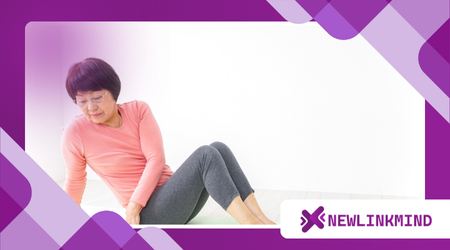
What are Key Gentle Movements for Enhanced Mobility? Yoga for Seniors with Parkinson’s
The most effective yoga routines for PD are characterized by their simplicity and safety. They prioritize functional mobility over complex flexibility.
Movements focus on opening the chest, mobilizing the hips, and strengthening the core muscles that support posture.
Consider the example of the Seated Cat-Cow flow. While seated, the individual gently arches the spine on the inhale (Cow) and rounds it on the exhale (Cat).
See how interesting: Is It Too Late to Start Yoga?
This simple sequence encourages segmental movement in the spine, which is often lost with PD-related rigidity.
Another useful approach is Ankle Circles and Pumps.
These exercises, done while seated, enhance circulation and maintain flexibility in the often-overlooked ankle and foot joints. Good ankle mobility is foundational for a stable gait.
| Mobility Focus | Recommended Gentle Pose/Movement | Primary Benefit |
| Spinal Flexibility | Seated Spinal Twist (Chair Support) | Reduces trunk rigidity, improves rotation |
| Balance/Proprioception | Heel-Toe Rocking (Holding Chair) | Enhances awareness of weight shift |
| Gait/Lower Body | Leg Slides or Extensions (Supine) | Maintains hip flexor length, strengthens quads |
| Fine Motor Skills | Finger Stretches and Tapping | Combats hand rigidity, improves dexterity |
The Power of Routine Yoga for Seniors with Parkinson’s
Think of PD symptoms like sand shifting on a beach; without constant attention, the landscape changes quickly and drastically.
Yoga provides the steady, predictable waves of the ocean, continuously sculpting and maintaining the shore.
Check this out: Brain-Calming Meditations for Seniors with Overthinking
A consistent, daily yoga routine, even 15 minutes, provides the essential repetition needed to reinforce neural pathways and motor patterns.
This regular input becomes a constant, gentle pressure against the progression of stiffness and decreased mobility.
How Can Mindfulness Training Improve Motor Control?
A study published in the International Journal of Yoga in 2021 highlights the effectiveness of mindful movement in managing PD.
Specifically, research has shown that consistent yoga practice can lead to significant improvements in balance, gait speed, and functional mobility in individuals with mild-to-moderate Parkinson’s disease.
This is attributed to the dual focus on physical movement and cognitive engagement.
Focusing intently on the quality of a movement, rather than just its completion, recruits attention centers in the brain.
Consider this example: Mrs. Eleanor V., who has lived with PD for eight years, found that her morning dressing ritual was becoming agonizing due to shoulder stiffness.
After three months of attending a tailored Yoga for Seniors with Parkinson’s class focusing on arm and shoulder rotations, she reported a noticeable increase in her ability to reach behind her back to fasten her bra.
It was the sustained, mindful practice that led to this functional gain, not just a momentary stretch.
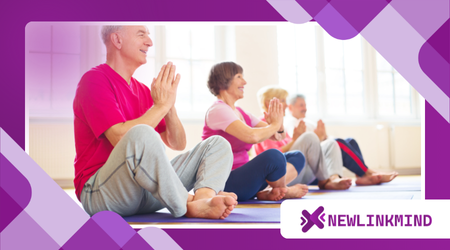
Why Prioritize Non-Competitive and Inclusive Practice?
It is imperative that yoga for this population remains non-competitive and highly adaptable.
Every individual’s PD experience is unique, with symptoms fluctuating daily.
A good instructor will encourage self-compassion and movement within a comfortable, pain-free range.
The focus is always on function and feeling rather than achieving a perfect shape.
This inclusive environment fosters confidence and adherence, which are critical for long-term benefit.
For Mr. David L., another participant, the most significant benefit wasn’t physical; it was the ability to stand up from his armchair with less hesitation.
His instructor taught him to use the inhale to prepare and the exhale to push up, integrating breath with the effort.
This simple technique, consistently practiced, broke the pattern of “freezing” during the transition.
In the face of a progressive condition, can we truly afford to overlook a gentle, accessible therapy that offers tangible improvements in daily movement?
The potential for enhanced physical and mental well-being makes Yoga for Seniors with Parkinson’s a vital component of holistic care.
Frequently Asked Questions
Is Yoga for Seniors with Parkinson’s safe for all stages of PD?
Yes, when properly modified, yoga is generally safe for all stages.
However, individuals in advanced stages should practice only with a certified instructor specializing in PD and usually with the support of a chair or wheelchair.
Always consult a physician before starting any new exercise regimen.
How often should someone with Parkinson’s practice yoga to see results?
Consistency is key. While attending a weekly class is beneficial, practicing gentle movements for 10-15 minutes daily is recommended.
Regularity helps reinforce new motor patterns and maintain flexibility.
What should a good Parkinson’s yoga class focus on?
The class should focus heavily on balance, gait mechanics, postural alignment, and functional movement.
Breathing techniques (pranayama) for relaxation and tremor management should also be an integral part of the session.