
Yoga for Seniors with Osteoporosis: What Science Actually Says
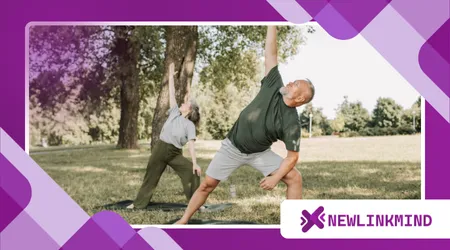
advertisements
Can the gentle practice of Yoga for Seniors with Osteoporosis truly offer a safe and effective pathway to better bone health and stability?
This is a critical question for millions of older adults navigating the realities of reduced bone density.
Osteoporosis makes bones fragile, elevating the risk of serious fractures.
The medical community often views exercise cautiously in this population.
However, accumulating scientific evidence suggests that yoga, when modified correctly, offers significant benefits.
advertisements
It’s time to move beyond anecdotal claims and explore the hard facts.
Our goal is to understand how this ancient discipline interacts with the modern challenge of bone loss.
Why Is Safe Exercise Paramount for Seniors with Osteoporosis?
Falls are the leading cause of fracture in osteoporotic seniors.
advertisements
Thus, any effective exercise regimen must prioritize balance, stability, and muscle strength.
High-impact or sudden movements are strictly off-limits due to fracture risk.
The challenge lies in finding activities that stimulate bone remodeling without undue stress.
Yoga’s slow, controlled movements make it a potentially ideal candidate.
It builds strength and improves posture, crucial for preventing devastating tumbles.
But, does its low-impact nature translate to measurable bone protection?
How Does Yoga Influence Bone Density and Strength?
Research indicates that specific weight-bearing and muscular tension can stimulate osteoblasts.
These are the cells responsible for forming new bone tissue.
Traditional resistance training is highly effective for this process.
Yoga uses the body’s own weight to create this necessary resistance.
Poses like the Tree Pose (Vrksasana) or Warrior II (Virabhadrasana II) are excellent examples.
They require significant muscle engagement and balance, loading the bones safely.
The sustained nature of many yoga poses is key to this mechanism.
A 2015 study by Dr. Loren Fishman, published in Topics in Geriatric Rehabilitation, provided compelling evidence.
This study reported improved bone density in the spine and hips for participants who practiced a set of 12 gentle yoga poses daily.
This improvement occurred without any serious injuries in the patient group.
This demonstrates a tangible, measurable impact on skeletal health.
Yoga’s focus on alignment also reduces stress on vulnerable joints.

Which Yoga Poses Should Seniors with Osteoporosis Practice?
Not all yoga is created equal when managing fragile bones.
The safest and most beneficial poses are those that are adapted.
They should avoid forward folds that excessively round the spine.
++ The Hidden Link Between Yoga and Cognitive Health in Older Adults
Rounded spinal movements can increase the risk of vertebral compression fractures.
Instead, emphasis should be placed on standing poses, gentle backbends, and balance work.
How Can Poses Be Modified for Safety and Effectiveness?
Modifications often involve using props like chairs, walls, or blocks.
For example, a chair can support balance during the Tree Pose.
It allows for effective weight bearing without the fear of falling.
Read more: Adaptive Yoga Props Every Senior Should Know About
Another crucial modification is maintaining a neutral or slightly lordotic lumbar spine.
This protects the delicate vertebrae during movement.
Here is a simple comparison of beneficial versus risky movements:
| Movement Type | Examples in Yoga | Safety for Osteoporosis |
| Spinal Extension (Gentle Backbends) | Cobra (Bhujangasana), Locust (Salabhasana) | Beneficial (Strengthens back muscles, improves posture) |
| Axial Loading (Standing Poses) | Mountain (Tadasana), Warrior II (Virabhadrasana II) | Beneficial (Weight-bearing, stimulates bone) |
| Spinal Flexion (Forward Folds) | Standing Forward Bend (Uttanasana) | High Risk (Increases compression fracture risk) |
| Twisting (Deep Rotations) | Seated Spinal Twist (Ardha Matsyendrasana) | Moderate Risk (Requires careful execution with neutral spine) |
The key is controlled, mindful movement, never forcing a stretch.
This specialized approach ensures the practice of Yoga for Seniors with Osteoporosis is therapeutic.
What Are the Hidden Benefits Beyond Bone Mass?
The advantages of yoga extend far beyond mere bone mineral density.
Consider the remarkable increase in proprioception, or body awareness.
This heightened sense helps seniors correct their posture before a fall occurs.
See how interesting: Chair Meditation for Seniors
It’s like driving a car where the brakes become more responsive and the steering tighter.
Furthermore, yoga significantly reduces chronic stress hormones, like cortisol.
Cortisol, when chronically elevated, has a catabolic effect, breaking down bone tissue.
By promoting relaxation, yoga indirectly supports bone maintenance.
According to the CDC, approximately 3 million older adults are treated in emergency departments for fall injuries each year.
Improving balance through practices like Yoga for Seniors with Osteoporosis directly combats this epidemic.

Why Is Consistency and Mindful Practice Critical for Bone Health?
Like any effective medication, the benefits of yoga are dose-dependent.
Occasional practice provides little physiological change in the skeleton.
The Fishman study participants practiced for 10-15 minutes, every day.
This consistency sends a sustained signal to the body to reinforce bone.
It’s the daily habit, not the occasional intense session, that delivers results.
The mindful component also prevents injury.
When the practitioner is focused, they naturally respect their body’s current limitations.
They avoid pushing into pain, a crucial protective mechanism.
Is it not better to move slowly and safely for a lifetime than to rush and risk a fracture today?
The practice of Yoga for Seniors with Osteoporosis demands patience and respect for physical boundaries.
This intelligent approach maximizes the therapeutic window.
Yoga for Seniors with Osteoporosis
The latest scientific data unequivocally supports the role of gentle, modified yoga as a beneficial activity for managing osteoporosis in older adults.
It’s a low-risk, high-reward strategy that integrates physical strengthening with mental calm.
By focusing on balance, modified load-bearing, and mindful movement, it directly addresses the twin threats of bone loss and falls.
The science says “yes,” but the practitioner must commit to consistency and safety.
The specialized practice of Yoga for Seniors with Osteoporosis is a powerful tool in healthy aging.
It empowers individuals to take an active role in their skeletal well-being.
Frequently Asked Questions
Is all yoga safe for people with osteoporosis?
No. Only modified, gentle forms of yoga that strictly avoid deep forward folds and aggressive twists are considered safe.
Hot yoga (Bikram) and fast-paced styles like Vinyasa should generally be avoided due to the higher risk of injury from excessive heat and speed.
How often should a senior with osteoporosis practice yoga?
The most effective protocols, like those in the major studies, recommend a short, consistent daily practice (10-15 minutes) over sporadic longer sessions.
Consistency is the primary factor in stimulating bone remodeling.
Do I need to be flexible to start yoga?
Absolutely not. Yoga for seniors with osteoporosis focuses on strength, balance, and stability, not achieving complex flexibility.
If you can move from a sitting to a standing position, you can start a modified yoga practice.
Should I consult my doctor before starting?
Yes, always. It is vital to consult your primary care physician or an orthopedic specialist before starting any new exercise program, especially with a diagnosis of osteoporosis, to ensure personalized safety guidelines.