
Yoga for Beginners: 10 Simple Poses to Practice at Home
advertisements
Yoga for beginners is more than a trending self-care idea—it’s a powerful and accessible way to calm the mind, stretch the body, and reconnect with yourself, one breath at a time.
If you’ve ever felt like yoga was too advanced, too spiritual, or too far out of reach, this guide is for you. You don’t need flexibility, expensive gear, or a studio membership to begin. Just a quiet space, a mat or towel, and a willingness to show up—imperfectly, consistently, and gently.
This article will walk you through the core benefits of yoga, offer 10 beginner-friendly poses you can practice at home, and share strategies for building a sustainable, soulful routine—plus frequently asked questions answered with clarity and honesty.
Table of Contents
- Why Start with Yoga?
- The Mental and Physical Benefits
- 10 Simple Poses You Can Practice Today
- Building a Mindful Space at Home
- Creating a Routine That Sticks
- Tips for Staying Consistent
- Final Thoughts and Resources
- Frequently Asked Questions
Why Start with Yoga?
In a world that never pauses, choosing stillness feels almost rebellious. Yoga for beginners offers that rebellion—a break from mental clutter, physical rigidity, and emotional disconnection. It’s a gateway to presence.
advertisements
More than 300 million people now practice yoga worldwide, and the U.S. alone has seen a 21% increase in new practitioners since 2023, according to statista .
Behind this trend lies a shift: people no longer seek intensity—they seek sustainability.
Unlike high-performance fitness routines, yoga doesn’t ask you to push harder. It invites you to listen more carefully.
advertisements
To tune in, not tune out. You don’t need six-pack abs; you need awareness.
Have you ever wondered how different your day would feel if your first action wasn’t reaching for your phone, but breathing deeply with intention?
The Mental and Physical Benefits
Yoga’s effectiveness goes far beyond what’s visible. On a physical level, it increases flexibility, improves posture, and strengthens stabilizing muscles that are often ignored.
But its mental benefits are where the magic begins.
A 2024 study from Harvard Medical School found that just 15 minutes of daily yoga significantly lowered cortisol levels—the stress hormone—and improved both heart rate variability and sleep quality. That’s less time than a coffee break, with exponentially greater returns.
Yoga also activates the parasympathetic nervous system, responsible for the rest-and-digest response. As stress becomes chronic in digital-age lifestyles, this activation can be life-changing.
It’s not just anecdotal.
A UX designer from Portland shared how two weeks of daily midday yoga helped her reduce headaches, sleep better, and even improve her work performance.
She didn’t push harder—she softened, and found strength there.
And physically? Even gentle poses can relieve sciatica, ease digestive issues, and reduce chronic lower back pain—all common among office workers or those over 40.
Read more: Easy Morning Mantras to Start Your Day with Intention
10 Simple Poses You Can Practice Today
These beginner-friendly poses require no equipment—just your attention, breath, and body. They’re accessible to nearly all ages and body types.
1. Mountain Pose (Tadasana)
Stand tall, feet hip-width apart. Press your feet into the ground, lift the chest, and reach through the crown of your head. Feel the connection between strength and calm.
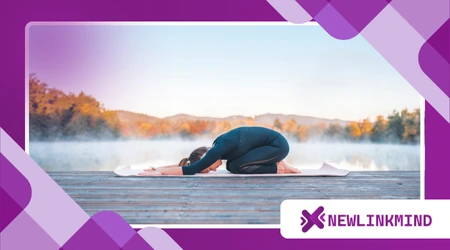
2. Child’s Pose (Balasana)
Kneel and fold forward, resting your forehead on the mat. This is your reset button—physically grounding, emotionally soothing. Ideal anytime anxiety creeps in.
3. Downward Dog (Adho Mukha Svanasana)
Create an inverted V with your body. Bend your knees as needed. This pose lengthens the spine, energizes the brain, and stretches the back body.
4. Cat-Cow Pose
From hands and knees, inhale into Cow (arch back), exhale into Cat (round spine). This rhythmic movement synchronizes breath and helps release emotional tension stored in the spine.
5. Seated Forward Fold (Paschimottanasana)
Sit with legs extended. Hinge forward, reaching toward your feet. Even if your hands only touch your knees, you’re doing the work—releasing hamstrings and calming the nervous system.
6. Bridge Pose
Lie on your back, knees bent, feet on the ground. Lift your hips slowly. This strengthens the glutes and back while gently opening the chest and heart.
7. Tree Pose (Vrksasana)
Stand tall, shift weight to one leg, and place the other foot on the inner thigh or calf. Balance, wobble, smile. It teaches focus, humility, and resilience.
8. Cobra Pose
Lie on your stomach, place hands under shoulders. Inhale, press lightly into the floor, and lift the chest. This opens the lungs and strengthens the back.
++ Meditate Before Coffee? Why It Might Be a Game-Changer
9. Supine Twist
While lying on your back, hug one knee to your chest, then guide it across the body. A gentle spinal detox and massage for internal organs.
10. Savasana
Lie flat on your back, arms relaxed. Let go of all effort. This isn’t “just resting”—it’s where integration happens. A ritual of release and absorption.
Building a Mindful Space at Home
One of yoga’s most beautiful gifts is that it doesn’t demand a specific setting. A dedicated corner, soft lighting, and perhaps a candle can do wonders for your motivation.
No need to replicate a studio. Just find a space that signals “this is your time.” Leave your mat unrolled, keep a plant nearby, or use calming scents like lavender to create a sensory cue.
Turning off notifications and stepping barefoot onto the mat creates a sacred container—even in a noisy apartment. The simplicity is the invitation.
Creating a Routine That Sticks
Routines fail when they’re too ambitious. Forget hour-long sessions. Start with ten minutes. Attach your practice to something habitual—right after brushing your teeth or before dinner.
One single dad in Brooklyn began practicing short sequences with his 7-year-old daughter every Sunday. It became their tech-free ritual—just movement, laughter, and presence. Their consistency wasn’t about discipline, but emotional reward.
Let your practice evolve with your schedule. Some days you’ll flow, others you’ll rest. The only wrong way is not starting at all.
Tips for Staying Consistent
Staying consistent with your practice isn’t about rigid discipline—it’s about creating habits that feel rewarding.
When yoga becomes a moment of peace, not pressure, it naturally finds space in your routine.
Instead of storing your mat out of sight, try leaving it unrolled in a visible spot.
This subtle cue reminds your brain: you’re allowed to pause, even just for five minutes.
Pair your practice with a habit you already have.
Whether it’s right after brushing your teeth or just before dinner, this “habit stacking” turns yoga into a natural extension of your day.
Notice how you feel after each session. Keep a small notebook or digital journal. Reflecting on your energy, sleep, or emotions creates a deeper link between your body and your commitment.
Choose a guide or platform you trust. Resources like Yoga Journal offer structured beginner programs that reduce decision fatigue, so you can focus on showing up—not on choosing what to do.
Allow imperfection. Some days you’ll flow with focus, other days you’ll lie in Child’s Pose the entire time. That’s still practice. What matters is showing up with honesty, not mastery.
Reward yourself. Not with treats, but with acknowledgment. Mark your calendar, light a candle after, or simply say “thank you” aloud. These rituals reinforce that what you’re doing is valuable.
When yoga feels like a refuge rather than a responsibility, consistency becomes a byproduct—not a battle.
Frequently Asked Questions
1. Do I need to be flexible to start yoga?
No. Flexibility develops with practice. Yoga meets you where you are—no expectations, no judgment.
2. What’s the best time of day to practice?
The best time is the one you’ll consistently return to. Mornings energize; evenings restore. Listen to your natural rhythm.
3. Can I practice yoga if I have injuries?
Yes, but modify poses. Focus on breath and alignment. Consult a healthcare provider or certified instructor for personalized guidance.
4. Is yoga a workout or a mindfulness practice?
It’s both. Yoga improves strength and mobility, but it also reduces anxiety, increases awareness, and centers your emotions.
5. How often should a beginner practice?
Aim for 3–4 times per week. Even 10-minute sessions make a difference when done regularly.
6. Do I need props or special equipment?
Not at all. A mat helps, but you can use towels, books, or cushions to support your body safely and creatively.
7. How long until I notice results?
You may feel calmer and more centered within days. Physical benefits usually appear within 2–4 weeks of consiste