
Yoga at Home When You Feel Disconnected from Your Body
advertisements
When You Feel Disconnected from Your Body, the simple act of rolling out a yoga mat serves as a powerful bridge back to your physical self.
This guide explores how to rebuild that vital somatic connection through intentional, home-based movement.
Summary
- Defining Somatic Disconnection: Understanding the “why” behind feeling out of sync.
- The Science of Yoga: How mindful movement regulates the nervous system.
- Practical Home Sequences: Grounding techniques to reclaim your physical presence.
- Data on Mindfulness: Why consistency outperforms intensity for mental health.
- Actionable FAQ: Real answers for those struggling with body awareness.
What is the Science Behind the Feeling of Disconnection?
Modern life often forces us into a purely cerebral existence. We prioritize digital tasks over physical sensations, creating a state of “functional dissociation” where the mind simply ignores bodily signals to keep working.
Research indicates that chronic stress elevates cortisol, which desensitizes our interoception—the ability to sense the internal state of the body. Yoga acts as a necessary recalibration tool for these worn-out neural pathways.
How Does Yoga at Home Improve Interoceptive Awareness?
Practicing yoga in your living room removes the performative pressure often found in public studios. Without mirrors or peers, your focus shifts entirely to how a pose feels rather than how it looks.
advertisements
When You Feel Disconnected from Your Body, home practice allows for radical honesty. You can hold a pose longer or skip a sequence without judgment, fostering a deeper sense of personal autonomy.
This autonomy is crucial for rebuilding trust with yourself. According to the American Psychological Association, mindfulness-based interventions significantly reduce physical symptoms of anxiety by strengthening the mind-body loop.
Consistent home practice trains the brain to recognize subtle shifts in muscle tension. Over time, this sensitivity prevents burnout because you finally learn to rest before your body demands it through pain.
advertisements
American Psychological Association
Why is Grounding Important When You Feel Disconnected from Your Body?
Grounding, or “earthing” the mind, involves focusing on the points of contact between your skin and the floor. It shifts energy away from racing thoughts and down into your foundation.
When you are mentally floating away, standing poses like Tadasana (Mountain Pose) provide immediate feedback. You feel the weight in your heels and the strength in your quadriceps, anchoring your consciousness.
++ Yoga at Home with Noise, Kids, or Shared Living Spaces
This sensory input is a direct antidote to dissociation. When You Feel Disconnected from Your Body, prioritize poses that utilize floor contact, such as Child’s Pose or Savasana, to feel supported.

Comparing Yoga Styles for Body Reconnection (2026 Data)
| Yoga Style | Primary Focus | Best For | Cortisol Reduction |
| Hatha | Alignment | Physical Stability | High |
| Restorative | Relaxation | Nervous System | Very High |
| Vinyasa | Flow/Breath | Mental Focus | Medium |
| Yin | Deep Tissues | Emotional Release | High |
What Are the Best Poses to Try When You Feel Disconnected from Your Body?
Start with Cat-Cow to mobilize the spine. This rhythmic movement syncs breath with action, making it nearly impossible to remain disconnected from the torso’s natural undulations and subtle stretches.
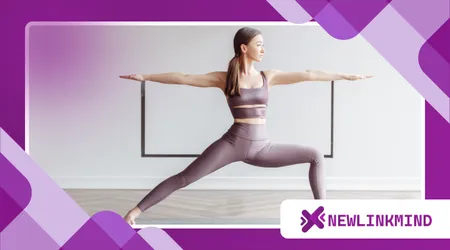
Transition into Warrior II to build heat. Feeling the burn in your thighs is a vivid reminder of your strength. It forces your mind to acknowledge the physical power you possess right now.
Incorporate Legs-Up-The-Wall (Viparita Karani) at the end. This restorative inversion shifts blood flow and calms the heart rate. It provides a gentle, non-demanding way to simply exist within your skin.
Read more: Practicing Yoga in a Shared Home
When You Feel Disconnected from Your Body, avoid overly complex poses that cause frustration. Instead, choose movements that feel like a conversation with your muscles, encouraging a sense of gentle curiosity.
Which Routine Works Best for Beginners Practicing Alone?
Begin with five minutes of seated breathing. Notice where the air expands—your chest, ribs, or belly. This internal observation is the first step toward reclaiming your physical space and mental peace.
Move into a slow Sun Salutation. Each transition should be deliberate. If your mind wanders to your to-do list, gently bring your focus back to the texture of your yoga mat.
Finish with a guided body scan. Mentally travel from your toes to your crown. Acknowledge any areas of tension without trying to fix them, simply witnessing your body as it is.
When Should You Seek Professional Guidance for Disconnection?
While home yoga is transformative, persistent feelings of being “outside” your body may require clinical support. Somatic experiencing therapy is often recommended alongside yoga for those dealing with deep-seated trauma.
If your disconnection is accompanied by severe numbness or loss of motor control, consult a healthcare provider. Yoga should complement professional medical advice, ensuring a holistic approach to your overall wellbeing.
++ Meditation for Seniors to Foster Social Connection and Belonging
However, for daily stress and general malaise, When You Feel Disconnected from Your Body, a 15-minute daily flow is often the most accessible medicine available to the modern individual.
Returning Home to Yourself
Reconnecting with your body is not a destination but a continuous practice of returning. By choosing yoga at home, you create a sanctuary where your physical and mental selves can finally reunite.
Remember that progress is measured by awareness, not flexibility. When You Feel Disconnected from Your Body, be patient. Every breath taken with intention is a successful step toward a more integrated life.
For more evidence-based resources on maintaining a healthy lifestyle through movement, explore the latest health guidelines from the World Health Organization.
FAQ: Reconnecting Through Yoga
1. How long does it take to feel “connected” again?
Most practitioners report a shift in mood and body awareness after just one 20-minute session. However, long-term neurological changes typically require 8 to 12 weeks of consistent practice.
2. Can I practice yoga if I am not flexible?
Flexibility is a result of yoga, not a prerequisite. If you feel stiff, you are actually an ideal candidate, as the physical sensations of stretching will be much more pronounced.
3. What if I feel emotional during my home practice?
This is very common. The body stores tension and “somatic memories.” Releasing tight muscles, especially in the hips or chest, can often trigger an emotional release. Allow it.
4. Is it better to practice in the morning or evening?
Morning practice energizes the body for the day ahead, while evening practice helps decompress the nervous system. Choose the time when you are least likely to be interrupted.
5. Do I need expensive equipment for home yoga?
Actually, all you truly need is a non-slip surface. While a mat is helpful, you can use household items like pillows as bolsters or sturdy books as yoga blocks.