
Yoga at Home for Seasonal Mood Shifts and Emotional Balance
advertisements
Managing Seasonal Mood Shifts and Emotional Balance through a dedicated home yoga practice offers a scientifically backed method to stabilize your internal neurochemistry during external environmental transitions.
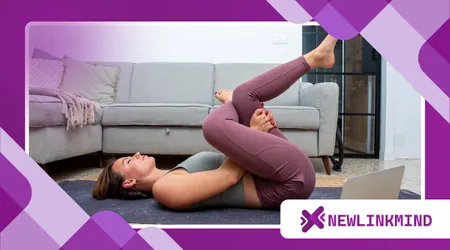
Summary of Insights
- Decoding the biological triggers behind seasonal lethargy.
- Balancing Cortisol and Serotonin through somatic movement.
- Curating a home sanctuary that actually facilitates healing.
- Strategic asana selection for grounding versus energizing.
- Navigating the nuance of different yoga styles for mental health.
What is the Science Behind Seasonal Mood Shifts?
Our biology is governed by ancient circadian rhythms that react—sometimes violently—to the dimming light of late autumn and winter. This isn’t just a “bad mood”; it is a physiological response to a shifting environment.
When sunlight wanes, the brain often overproduces melatonin, leaving you in a persistent state of grogginess that coffee cannot fix.
Yoga steps in as a gentle disruptor to this cycle. By engaging in purposeful movement, we stimulate the endocrine system, coaxing the brain to release a much-needed cocktail of endorphins.
It’s less about “stretching” and more about signaling to your nervous system that the body is still vital, even when the world outside looks dormant.
advertisements
How Does Yoga Restore Seasonal Mood Shifts and Emotional Balance?
Think of yoga as a somatic dial that adjusts your internal frequency. When the seasons change, many of us get stuck in a “freeze” state—a low-level survival mode characterized by heavy limbs and a scattered mind.
Rhythmic breathing serves as the bridge, pulling the body out of this stagnant rut and back into a state of “rest and digest.”
Inversions, even simple ones like a downward dog, flip the script on circulation. Sending blood toward the brain provides a clarity that counters the dense brain fog typical of the darker months.
advertisements
It is an immediate, physical rebuttal to the heaviness that often threatens our emotional equilibrium when the sun sets at 4:00 PM.
Why is a Home Practice Ideal for Emotional Regulation?
There is something inherently counterproductive about rushing through traffic to sit in a crowded studio when you’re already feeling emotionally fragile.
Practicing at home honors your current state of being. It allows you to skip the performance and the comparison, focusing entirely on the raw data your body is providing in that moment.
Consistency usually dies where friction begins. Having a mat already unrolled in your living room removes the “decision fatigue” that often sabotages self-care rituals.
According to a deep dive into practitioner habits by the Yoga Alliance, those who practice in private spaces often access a higher level of vulnerability, leading to more profound emotional breakthroughs.
Which Yoga Poses Best Support Your Emotional Health?
When the weather turns cold, we instinctively hunch over to protect our core, a physical posture that ironically mirrors feelings of depression and withdrawal.
Heart-opening shapes like Cobra pose do the opposite; they force an expansion of the chest, physically demanding an open emotional state even when your mind wants to retreat.
Grounding is the other side of that coin. When anxiety starts to feel like a buzzing electricity under your skin, balancing poses like Tree Pose act as a lightning rod.
++ Yoga at Home for Relieving Neck Pain and Tension Patterns
They require a singular, quiet focus that leaves no room for the cyclical, intrusive thoughts that often accompany seasonal transitions.

Comparative Benefits of Seasonal Yoga Styles
| Yoga Style | Primary Benefit | Best Seasonal Use | Emotional Impact |
| Vinyasa Flow | Internal Heat | Deep Winter | Ignites stagnant energy |
| Yin Yoga | Fascia Release | High Summer | Cools the “frantic” mind |
| Restorative | CNS Repair | Peak Transitions | Deep, soothing safety |
| Hatha | Structural Alignment | Spring Equinox | Re-centers the self |
The Unspoken Link Between Nutrition and Stability: Seasonal Mood Shifts and Emotional Balance
Movement is only half of the equation; how you fuel that movement dictates whether your mood remains stable or enters a volatile cycle of peaks and crashes.
During low-light months, the body craves comfort, but the standard “comfort foods” often lead to inflammatory responses that cloud your mental state.
Pairing your practice with Vitamin D-dense foods and proper hydration creates a synergistic effect. Drinking warm, spiced teas after a session doesn’t just feel good—it maintains internal thermoregulation.
Read more: Yoga at Home for Remote Workers with Long Sitting Hours
A stable glucose supply is the silent partner of a stable mind, ensuring your yoga practice isn’t undermined by physiological energy dips later in the day.
Creating a Sanctuary That Isn’t Just “A Room”
Your environment acts as a silent instructor. If your practice space is cluttered or poorly lit, your brain remains in an “alert” state, unable to fully descend into the meditative benefits of the asanas.
A dedicated corner, free from the visual noise of laundry or work laptops, signals to your psyche that this time is sacred.
Sensory cues are incredibly underutilized. Using a salt lamp to provide a warm, amber glow can trick the brain into a state of sunset-calm, helping to regulate melatonin levels naturally.
++ Morning Meditation to Reduce Mental Carryover From Yesterday
These small, intentional adjustments transform a simple exercise routine into a comprehensive emotional support system.
When is the Best Time to Practice for Maximum Balance?
A morning practice functions as a preemptive strike against seasonal lethargy. It clears the “cobwebs” of sleep and sets an intentional emotional baseline.
However, if the seasonal shift has disrupted your sleep patterns, an evening practice focused on “down-regulation” might be more valuable.
The goal is to match your movement to your current deficit. If you feel “heavy,” move with vigor. If you feel “frenetic,” move with stillness.
Ten minutes of focused breathing and light stretching is infinitely more effective for long-term resilience than a sporadic, grueling hour-long session that leaves you exhausted.
The Breath as a Remote Control for the Brain
Pranayama is the most direct tool we have for hacking the autonomic nervous system. Techniques like Alternate Nostril Breathing are essentially a reset button for the brain’s hemispheres.
It is a subtle, invisible practice that can be done anywhere, providing a tangible sense of agency when external circumstances feel chaotic.
Deep, intentional breathing increases oxygen saturation, which sounds basic until you realize how shallowly we breathe when stressed.
This simple shift lowers the heart rate and quiets the amygdala—the brain’s fear center. It keeps you anchored in the “now,” preventing the mind from drifting into the gray shadows of seasonal melancholy.
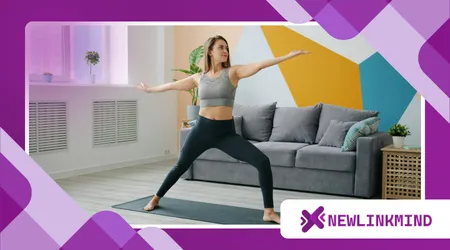
Finding Connection in Solitude
The irony of seasonal shifts is that they make us want to withdraw precisely when we need community the most. While a home practice is solitary, it shouldn’t be isolating.
Engaging with digital sanghas or following a shared 30-day challenge provides the accountability of a group without the social exhaustion of a public class.
Ultimately, the mat is where you learn to listen to yourself. It is a private laboratory where you can test what works and what doesn’t, free from judgment.
By aligning your physical habits with the natural world’s cycles, you stop fighting the seasons and start flowing with them.
For a broader perspective on how mindfulness alters brain structure to support emotional health, explore the resources at the American Psychological Association.
FAQ
Can yoga replace clinical treatment for seasonal depression?
Yoga is a robust support tool, but it is not a substitute for professional medical advice or therapy. It works best as part of a holistic plan developed with a healthcare provider.
How soon will I feel “better”?
Chemical shifts, like the release of endorphins, happen almost immediately. However, the structural emotional resilience—the kind that helps you weather an entire winter—usually develops after about three weeks of daily, short practices.
What if I genuinely lack the energy to move?
Listen to that signal. On days of extreme fatigue, don’t force a Vinyasa. Practice Viparita Karani (Legs-up-the-Wall). This passive pose offers many of the same circulatory benefits without requiring any muscular effort.
Do I need specialized gear?
No. Your body and a bit of floor space are the only requirements. While a mat helps with grip, the emotional benefits of yoga come from the breath and the intention, not the price tag of your equipment.