
Yoga at Home for Better Spine Health and Posture Correction
advertisements
Better Spine Health and Posture Correction rarely begin with complicated fitness routines. More often, the turning point is simpler: a quiet mat on the floor, a few deliberate movements, and the slow rediscovery of how the body was designed to move.
Spines today carry unusual burdens. Hours of sitting, necks tilted toward glowing screens, shoulders creeping forward without us noticing.
The body adapts, of course, but not always gracefully. Stiffness appears first. Then fatigue. Eventually discomfort settles in like an unwelcome guest.
Yoga offers a different rhythm. Instead of forcing the body into rigid exercise patterns, it invites gradual realignment.
Movement unfolds slowly, breath guiding each transition. Over time, these small adjustments accumulate, encouraging Better Spine Health and Posture Correction without dramatic interventions.
advertisements
This guide explores how yoga practiced at home can influence spinal mechanics, which poses truly matter, and why consistency—more than intensity—often determines the results.
Along the way, we will look at what research actually says, what posture problems modern life quietly creates, and how a short daily routine can begin reversing those patterns.

What Is the Relationship Between Yoga and Spine Health?
The spine rarely suffers from a single dramatic failure. Problems accumulate quietly through repetition—poor sitting habits, weak stabilizing muscles, and joints that gradually lose mobility.
advertisements
Yoga addresses these issues indirectly but effectively. Instead of isolating individual muscles, it trains the body as an integrated structure where the hips, core, shoulders, and spine cooperate rather than compete.
That integration matters more than it first appears. When the body learns to distribute movement across multiple joints, pressure on individual spinal segments decreases. Gradually, alignment begins to stabilize.
Medical research has taken increasing interest in this mechanism. Reviews summarized by Harvard Health suggest yoga improves flexibility, muscular endurance, and balance, three pillars of spinal resilience.
Yet the deeper benefit may be awareness. Many people simply do not notice their posture until pain forces attention. Yoga reverses that dynamic, sharpening the sense of where the body sits in space.
With practice, posture correction stops feeling like a forced adjustment and begins to feel natural.
Why Does Poor Posture Affect the Spine So Strongly?
Posture might seem like a cosmetic concern—something parents once nagged about at the dinner table. In reality, it shapes the mechanical forces that pass through the vertebral column every minute.
When the head drifts forward, the cervical spine absorbs dramatically higher loads. Rounded shoulders restrict breathing mechanics and shorten chest muscles. Meanwhile, deep spinal stabilizers grow weaker from disuse.
None of this happens overnight. The process resembles erosion more than collapse.
Modern work culture quietly accelerates it. Long hours at laptops and phones encourage the same forward-leaning position repeated thousands of times each week.
Here lies one of yoga’s quiet strengths. Many poses gently reverse those habitual positions—opening the chest, lengthening the spine, reactivating muscles that prolonged sitting suppresses.
Gradually the body relearns balance, a prerequisite for Better Spine Health and Posture Correction.
How Does Yoga Improve Posture and Spinal Stability?
Three processes explain why yoga influences posture more effectively than many traditional workouts.
First comes muscular activation. Numerous yoga poses engage deep core muscles responsible for stabilizing the spine, particularly the transverse abdominis and multifidus.
Second, flexibility begins to return where modern life restricts it most. Tight hamstrings, shortened hip flexors, and stiff thoracic segments gradually regain mobility through repeated stretching.
Third—and often overlooked—breathing patterns change. Slow diaphragmatic breathing expands the rib cage and restores natural spinal movement tied to respiration.
These three factors combine to create a feedback loop. Improved mobility encourages stronger muscle engagement, which in turn reinforces better alignment.
++ Yoga at Home to Rebuild Focus After Screen Overload
Over time, posture becomes less of a conscious correction and more of a structural habit.
Which Yoga Poses Support Spinal Alignment Most?
While yoga contains hundreds of poses, a smaller group consistently appears in rehabilitation programs for spinal health.
Their effectiveness lies not in complexity but in the balance between mobility and stability.
Cat–Cow Pose gently moves the spine through flexion and extension. The motion stimulates circulation around spinal discs and relieves stiffness accumulated during long sedentary periods.
Child’s Pose introduces quiet decompression. The spine lengthens, the lower back softens, and breathing slows naturally.
Downward-Facing Dog stretches the posterior chain—hamstrings, calves, and back muscles—helping restore pelvic alignment that influences lumbar posture.
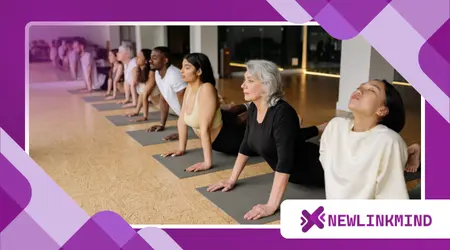
Cobra Pose counters one of the most common posture patterns of modern life: the rounded upper back created by screen use.
Bridge Pose strengthens the glutes and lower back, stabilizing the pelvis and reducing strain across the lumbar region.
Read more: When the Mat Becomes a Mirror: What Home Practice Reveals About You
Practiced consistently, these poses form a compact routine that supports Better Spine Health and Posture Correction without requiring advanced flexibility.
What Does Research Say About Yoga and Back Pain?
Scientific interest in yoga as a therapeutic practice has grown steadily over the past two decades.
One randomized clinical trial published in JAMA Network Open followed adults with chronic low back pain participating in a twelve-week virtual yoga program. Participants reported meaningful reductions in pain and improved daily function.
Other trials published in Annals of Internal Medicine observed similar outcomes, particularly improvements in mobility and reductions in pain intensity compared with standard care alone.
++ Morning Meditation for Busy Parents With Limited Free Time
A broader meta-analysis reviewing more than a dozen clinical studies concluded that structured yoga programs consistently improved functional ability among people living with chronic back discomfort.
The numbers tell a straightforward story.
| Study | Participants | Intervention | Main Findings |
|---|---|---|---|
| JAMA Network Open Clinical Trial (2024) | 140 adults with chronic low back pain | 12-week virtual yoga program | Reduced pain intensity and improved function |
| Annals of Internal Medicine Trial | 313 adults with chronic back pain | Weekly yoga classes | Better mobility compared with standard care |
| Meta-analysis of 17 studies | 1,600+ participants | Multiple yoga programs | Improved daily function and reduced pain |
For readers interested in the broader medical perspective, National Center for Complementary and Integrative Health.
When Should You Practice Yoga for Spinal Health? Better Spine Health and Posture Correction
Consistency quietly outweighs intensity.
Short daily sessions—often ten to twenty minutes—can produce noticeable improvements when repeated several times each week. The spine responds well to frequent, gentle movement rather than occasional intense effort.
Morning routines loosen stiffness accumulated overnight and prepare the body for the day’s physical demands.
Evening practice serves a different purpose. After hours spent sitting, yoga helps decompress the spine and restore circulation to muscles that remained static most of the day.
Alternating between these approaches often creates the most sustainable routine for maintaining spinal balance.
How Can You Start a Safe Yoga Routine at Home?
Starting yoga at home requires patience more than ambition.
Beginners often feel tempted to imitate advanced poses seen online. Yet spinal health improves fastest through controlled, moderate movements that prioritize alignment over flexibility.
Yoga blocks or straps can provide stability during early sessions, allowing the body to move safely while flexibility gradually develops.
Pain should never be the goal. A gentle stretch accompanied by steady breathing usually signals productive movement; sharp discomfort signals the opposite.
People living with diagnosed spinal conditions benefit from medical guidance before beginning new exercise programs. Many clinicians now recommend therapeutic yoga as part of broader rehabilitation strategies.
Practical safety guidance for yoga and back pain can be found through Harvard Health’s clinical recommendations.
Why Yoga Works Especially Well at Home
Few physical practices adapt to home environments as naturally as yoga.
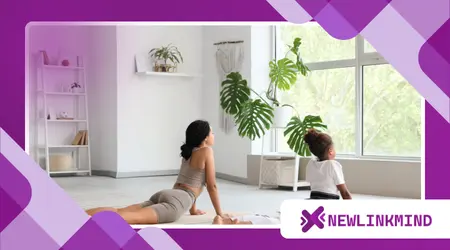
It requires little equipment, minimal space, and no elaborate setup. A quiet corner and a mat are often enough.
Technology has also expanded access. Virtual instruction now allows guided sessions from experienced teachers without stepping into a studio.
Interestingly, recent clinical studies suggest that online therapeutic yoga programs can produce results comparable to in-person classes for people managing chronic back pain.
For individuals balancing work, family, and limited free time, that accessibility makes regular practice far more realistic.
A Final Reflection on Spine, Movement, and Attention
The spine does not ask for extreme solutions. Most of the time, it asks for movement, balance, and attention.
Yoga provides exactly that: small, repeated opportunities to restore alignment and strengthen the structures that hold the body upright.
Practiced at home, even briefly, it becomes less a workout and more a quiet daily recalibration.
Over weeks and months, posture begins to shift. Breathing deepens. Stiffness softens.
What once felt like a rigid column of bones gradually reveals its intended nature—a flexible, responsive structure capable of supporting a life spent fully in motion.
Frequently Asked Questions
Can yoga actually improve posture?
Yes. Yoga strengthens core and spinal stabilizers while stretching tight muscle groups that distort alignment. Over time, these changes help restore balanced posture and reduce mechanical strain on the spine.
How long does it take to notice improvements?
Most practitioners begin noticing improved mobility and posture awareness within four to eight weeks of consistent practice. Structural changes typically develop over several months.
Is yoga safe for people with back pain?
Gentle yoga often benefits individuals with mild or moderate back pain. However, proper guidance and gradual progression remain essential, particularly for those with existing spinal conditions.
How often should yoga be practiced for spinal health?
Practicing three to five times per week typically produces meaningful benefits. Even short sessions of ten to twenty minutes can help maintain mobility and muscular balance.
Which yoga style is best for spinal health?
Slower styles such as Hatha yoga, therapeutic yoga, and gentle flow sequences usually work best for improving spinal stability and posture, especially for beginners practicing at home.