advertisements
As adults age, finding effective ways to support episodic memory becomes a primary health priority, and gentle, intentional movement offers a research-backed path forward.
When you try to recall what you ate for breakfast yesterday, where you parked your car at the grocery store, or the details of a conversation you had last weekend, you rely on your episodic memory.
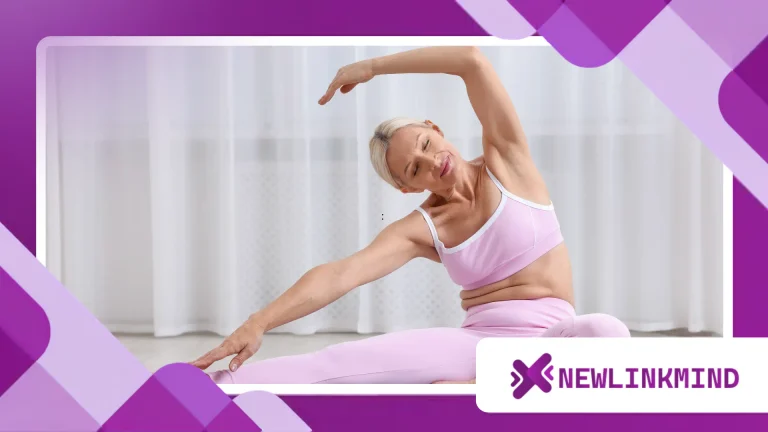
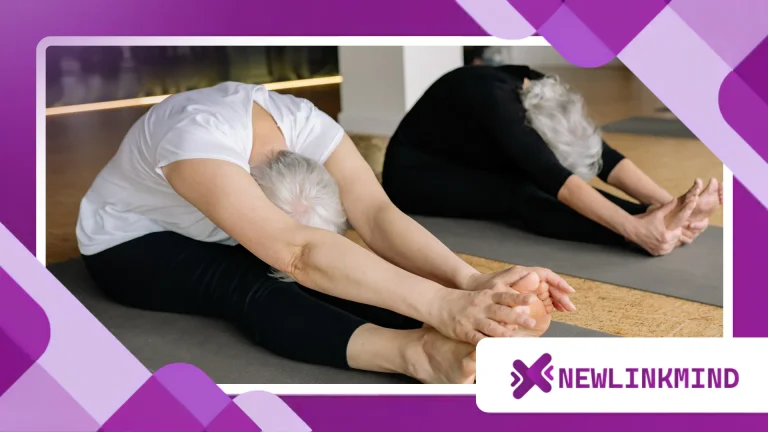
Yoga for seniors combines mindful movement, physical balance, and focused breathing in ways that directly stimulate the brain regions responsible for capturing and retrieving personal life events.
This article explains how structured physical movement and senior-focused yoga practices protect cognitive functioning, enhance brain plasticity, and help maintain independence in older adulthood.
Key Takeaways
- Targeted Cognitive Benefits: Physical movement and mind-body exercises specifically stimulate the hippocampus, the core brain structure responsible for episodic memory formation.
- Dual-Task Stimulation: Yoga integrates physical poses, breath control, and mental focus, engaging multiple neural pathways simultaneously to strengthen memory retrieval.
- Accessible Adaptations: Chair yoga and gentle restoration routines offer measurable cognitive benefits without subjecting aging joints to excessive stress.
- Routine Matters: Short, consistent weekly sessions yield superior cognitive gains compared to sporadic, high-intensity workouts.
Understanding Episodic Memory and Cognitive Aging
Episodic memory refers to the specific system in the human brain that records everyday events, complete with context, time, and location details.
Unlike semantic memory, which manages general knowledge, facts, and vocabulary, episodic memory handles personal experiences.
It allows individuals to mentally travel back in time to reconstruct past events.
As part of normal brain aging, the medial temporal lobe and the hippocampus—the dynamic structures that encode these personal experiences—gradually undergo structural volume loss.
This structural decline can manifest as minor everyday forgetfulness, such as misplacing personal items or struggling to remember recent interactions.
Recognizing these subtle shifts early gives older adults the opportunity to introduce targeted lifestyle interventions.
Physical activity serves as one of the most powerful non-pharmacological tools to counter age-related hippocampal atrophy.
Engaging in regular, deliberate movement boosts blood flow throughout the central nervous system, delivers oxygen and vital nutrients to neural tissues, and encourages the release of neurotrophic factors that encourage synaptic growth and maintenance.
How Movement and Yoga Stimulated Brain Plasticity
Neuroplasticity is the brain’s remarkable capacity to adapt, reorganize, and form new neural connections throughout life.
While scientists once believed the adult brain remained fixed, modern neuroscience confirms that targeted physical activity actively promotes neurogenesis—the birth of new neurons—particularly within the dentate gyrus of the hippocampus.
When seniors practice movement routines, the body releases proteins such as Brain-Derived Neurotrophic Factor (BDNF).
BDNF acts like a specialized fertilizer for brain cells, helping neurons survive, grow, and establish stronger synaptic connections.
High levels of circulating BDNF directly correlate with improved memory retention, quicker cognitive processing speeds, and heightened spatial orientation.
Mind-body interventions like yoga add a unique dimension to standard neuroplasticity pathways.
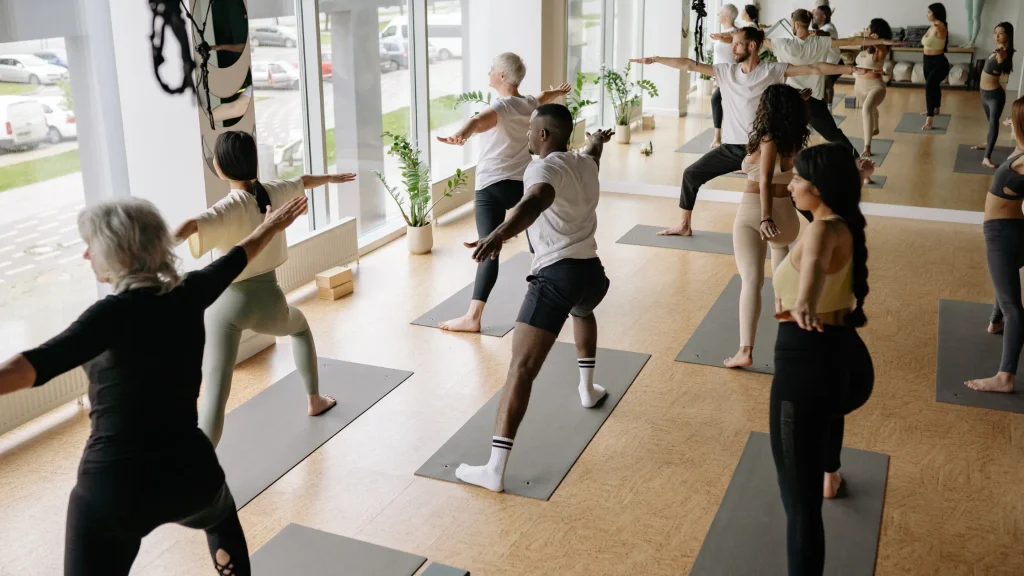
Unlike basic repetitive aerobic exercises, yoga requires conscious body awareness, spatial alignment, intentional breathing, and sequential movement memorization.
This combination forces the brain to coordinate physical execution alongside cognitive planning, creating a rich multi-sensory environment that reinforces neural networks responsible for short-term and long-term memory retrieval.
For more detailed information on physical activity guidelines and brain health, explore resources from the National Institute on Aging.
The Specific Cognitive Advantages of Yoga for Seniors
Yoga presents a multifaceted approach to healthy brain aging by fusing cardiovascular stimulation, stress reduction, and motor control.
++ Use Interval-Style Flows in Yoga for Seniors for More Stamina
Multi-Tasking and Motor Control
Executing a yoga posture requires holding a physical pose while simultaneously controlling breath rate and maintaining focus.
This dual-task requirement activates the prefrontal cortex and hippocampus at the same time.
Read more: Support Verbal Recall Through Yoga for Seniors Practice
Over time, practicing motor-cognitive coordination translates into sharper mental processing during daily activities.
Cortisol and Stress Reduction
Chronic elevated stress damages hippocampal neurons through the overproduction of cortisol.
Yoga emphasizes deep diaphragmatic breathing and activation of the parasympathetic nervous system, which directly lowers circulating stress hormones.
++ Practice Mantra-Based Morning Meditation Before Checking Your Phone
Reducing systemic inflammation and cortisol shields delicate neural tissue from long-term oxidative stress.
Balance, Proprioception, and Spatial Awareness
Proprioception—the body’s innate awareness of its position in space—declines with age. Navigating yoga sequences requires constant feedback between peripheral nerves and the central nervous system.
Improving proprioception not only reduces fall risk, but also engages spatial memory centers within the brain, supporting total cognitive function.

Comparing Movement Modalities for Senior Cognitive Health
While diverse forms of physical activity benefit the aging body, different exercise styles emphasize distinct neural pathways.
The following table highlights how common movement routines compare in supporting episodic memory, mental focus, and overall accessibility for seniors.
| Movement Type | Primary Cognitive Impact | Primary Brain Mechanism | Physical Accessibility Level |
|---|---|---|---|
| Gentle Hatha / Chair Yoga | Enhances episodic recall, focus, and emotional regulation | BDNF release, hippocampal neurogenesis, parasympathetic activation | Very High (Adaptable for all mobility levels) |
| Brisk Walking / Aerobics | Improves executive function and general processing speed | Increased cerebral blood flow, vascular elasticity, oxygenation | High (Requires ambulatory stability) |
| Tai Chi | Strengthens spatial memory and attention control | Motor-cognitive processing, prefrontal cortex engagement | High (Standing movement required) |
| Resistance Training | Boosts working memory and task switching | Growth factor release (IGF-1), neural pathway recruitment | Moderate (Requires proper form/guidance) |
Note: While all forms of movement offer cognitive value, practices combining physical exercise with conscious mindfulness yield broad cognitive benefits for aging adults.
Safe and Effective Yoga Practices for Older Adults
Starting a new movement routine requires selecting accessible, low-impact movements tailored to individual physical capabilities.
Seniors should focus on steady progression, prioritizing proper alignment and smooth breathing over posture intensity.
1. Chair Yoga
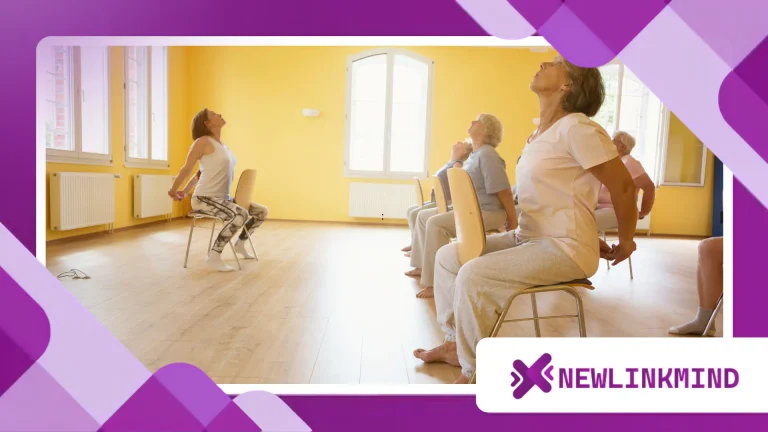
Chair yoga replaces floor transitions with seated or chair-supported postures, making it an ideal choice for individuals with joint stiffness, balance impairment, or limited mobility.
Seated Cat-Cow: Sit upright with feet flat on the floor. Inhale while gently arching the back and lifting the chest; exhale while rounding the spine and bringing the chin toward the chest.
This movement stimulates spinal fluid circulation and encourages focused breathing.
Chair Twists: Inhale to lengthen the spine, then exhale as you gently rotate the torso to one side, holding the side of the chair. Twisting moves promote trunk stability and sensory awareness.
2. Standing Balance with Support
Balance exercises directly challenge spatial memory circuits.
Tree Pose (Modified): Stand beside a sturdy chair or wall for support. Shift weight onto one foot while placing the sole of the opposite foot against the ankle or calf.
Keep eyes focused on a fixed point ahead. Holding a steady gaze while balancing strengthens visual-spatial memory pathways.
3. Restorative Breathwork and Meditation
Pranayama (Controlled Breathing): Simple exercises like extended exhales or alternating nostril breathing lower heart rate, calm the central nervous system, and improve concentration, clearing away mental fatigue to support clearer memory retrieval.
Integrating Movement into a Brain-Healthy Daily Routine
Consistency delivers far greater neurological rewards than occasional intense workouts.
Establishing a structured daily or weekly routine helps turn brain-boosting movement into a sustainable habit.
Start Small: Begin with 10 to 15 minutes of gentle yoga or mobility work each morning. Small, regular sessions maintain elevated BDNF levels without inducing physical exhaustion.
Combine Movement with Memory Challenges: Practice naming the yoga poses as you transition through a flow, or mentally review the order of your movement sequence after finishing a practice.
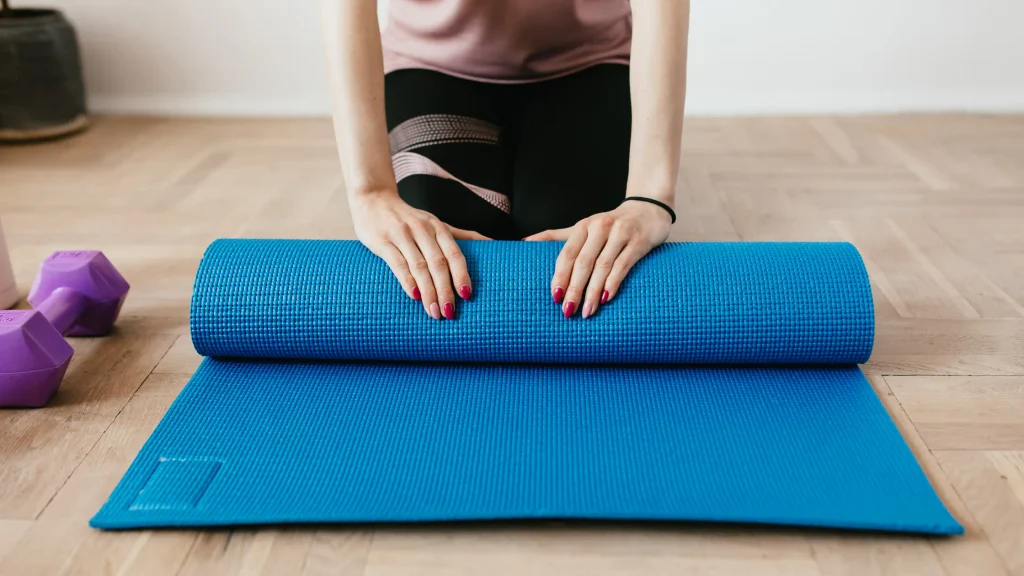
Prioritize Safety: Clear exercise spaces of tripping hazards, wear non-slip socks or use a sticky yoga mat, and keep water nearby.
Listen to the Body: Never push into sharp pain. Gentle tension is expected, but movement should always leave you feeling energized rather than depleted.
To explore additional peer-reviewed research on exercise and neurological health, consult evidence published by the Harvard Medical School.
Frequently Asked Questions
How does yoga specifically help episodic memory compared to general exercise?
While standard aerobic exercises like running or cycling enhance vascular blood flow, yoga adds complex motor control, mindfulness, spatial awareness, and breathing regulation.
This combination engages the prefrontal cortex and hippocampus simultaneously, providing targeted stimulation for episodic memory retrieval and emotional regulation.
Can seniors with limited mobility or joint pain practice yoga safely?
Yes. Chair yoga and supported standing poses allow individuals with arthritis, joint replacements, or balance difficulties to perform movements comfortably.
Modifying poses ensures seniors receive neurological and physical benefits without straining vulnerable joints.
How often should older adults practice yoga to see cognitive benefits?
Consistency is key. Practicing gentle yoga or mindfulness-based movement for 15 to 30 minutes, three to five days per week, provides continuous stimulation to neuroplasticity pathways, helping preserve memory performance over time.
Is it ever too late to start moving to support memory health?
No. Research demonstrates that the aging brain retains neuroplasticity well into late life.
Older adults who begin structured movement routines in their 70s, 80s, or beyond can still improve brain blood flow, support hippocampal health, and sharpen everyday memory skills.
Conclusion
Supporting episodic memory in older age does not require exhaustive athletic training.
By introducing gentle yoga practices, conscious breathing exercises, and consistent daily movement, seniors can actively protect brain health, stimulate neural plasticity, and retain vivid connections to their personal memories.
Choose a accessible routine today, move at your own pace, and consult a doctor or physical therapist before starting any new fitness program.
++ In a comparison of yoga vs. memory training, the clear winner is yoga
++ Yoga with a cognitive twist showed some intriguing benefits in older adults