
Restorative Yoga for Seniors: Deep Relaxation at Any Age
advertisements
You don’t need to be flexible, fit, or familiar with yoga to begin. You just need a quiet moment, a soft surface, and the willingness to slow down. Restorative yoga for seniors offers more than relaxation—it’s a practice of healing through stillness.
While many forms of yoga focus on movement and strength, restorative yoga focuses on rest. It invites the body to soften and the nervous system to reset.
And for seniors, this gentle form of practice can support sleep, digestion, mobility, and emotional well-being—without strain or effort.
advertisements
Why Restorative Yoga Is Ideal for Seniors
As we age, the body naturally moves slower. Joints stiffen, energy fluctuates, and sleep may become lighter or more interrupted. Traditional exercise often feels too demanding.
advertisements
That’s where restorative yoga becomes so powerful. It allows seniors to benefit from deep rest without the risks of overexertion.
Restorative yoga uses props—blankets, pillows, blocks—to fully support the body. Poses are held for several minutes, sometimes up to fifteen, allowing gravity to do the work. There’s no stretching, pushing, or straining. Just settling.
This slow pace encourages parasympathetic nervous system activity—the state in which the body heals. Breathing deepens, heart rate slows, and inflammation may decrease. Seniors who practice restorative yoga often report better sleep, more energy, and a calmer mood.
Read also: How Yoga Enhances Joint Health for Seniors
The Science of Stillness: What Happens in the Body
Restorative yoga activates the relaxation response. When you lie in a supported position and breathe slowly, the vagus nerve is stimulated. This signals the brain to calm the body. Stress hormones like cortisol drop. Muscles stop clenching. The mind slows.
In seniors, where chronic stress can impact cardiovascular health, digestion, and immune function, this shift is significant. Deep rest becomes a therapeutic tool—not just for the body, but for the entire system.
Studies have shown that practices like restorative yoga can improve heart rate variability, lower blood pressure, and enhance sleep quality.
In one study published in the Journal of Gerontology, older adults who practiced gentle yoga reported significant improvements in mood and energy compared to a control group.
This isn’t just about feeling good. It’s about creating a state in which the body can truly repair—physically and emotionally.
Getting Started with Restorative Yoga at Home
You don’t need a studio or formal training to try restorative yoga for seniors. All you need is a quiet space, supportive props, and a few basic postures.
Start with just one or two poses per session. Set a timer for five to ten minutes. Focus on comfort. Use pillows under the knees, behind the back, or beneath the head. Let the body feel completely held.
Popular restorative poses for beginners include:
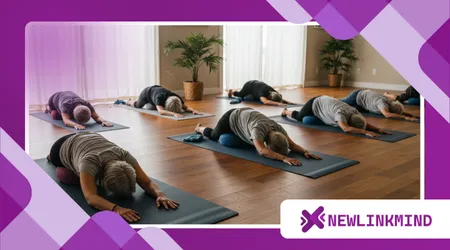
Supported Child’s Pose
Place a pillow between the thighs and rest the chest and head on top. Arms fall alongside the body. This soothes the lower back and helps quiet the mind.
Reclining Bound Angle Pose
Lie on your back, bring the soles of the feet together, and let the knees fall open. Place pillows under the knees and back. Hands rest on the belly. Great for releasing hip tension and deepening breath.
Legs-Up-the-Wall
Lie on your back with legs resting up a wall or on a chair. This improves circulation and reduces swelling in the legs and feet.
As you hold each pose, focus on slow breathing. Inhale gently, and exhale even more slowly. Let the breath guide you into stillness.
Emotional Benefits of Restorative Yoga
Aging often brings emotional shifts: grief, loneliness, or anxiety about health. Restorative yoga doesn’t ignore these feelings—it creates a safe space for them to arise.
By slowing down, you give your nervous system time to process. You feel emotions without reacting to them. For many seniors, this gentle presence offers a kind of healing that talk or action can’t always reach.
This practice also enhances self-awareness.
As you rest in a pose, you begin to notice how the body holds tension, where the breath gets stuck, or how certain emotions arise. Instead of fixing anything, you learn to witness. That’s where real calm begins.
Beyond the Mat: Integrating Restorative Yoga Into Daily Life
Restorative yoga isn’t confined to a mat or a set routine. Its principles can be carried into daily habits and moments. Seniors can integrate elements of the practice into their daily rhythm to create more ease and presence.
Taking five minutes in the afternoon to lie with legs elevated and breathe slowly is restorative yoga. Resting back in a chair with eyes closed, gently supported, can be a form of the practice. Even pausing between activities to notice your breath is part of the philosophy.
This approach encourages seniors to value rest as a form of strength. Instead of pushing through fatigue or discomfort, they can pause, reset, and return refreshed. This shift not only supports physical health—it also brings dignity and kindness into the experience of aging.
Restorative yoga can also be a valuable bedtime ritual. Seniors who struggle with insomnia may find that a short practice before sleep calms the mind and prepares the body for rest.
Over time, these routines can help regulate circadian rhythms and promote deeper, more restorative sleep.
Conclusion: Return to Rest, Return to Self
Restorative yoga for seniors is not about fitness. It’s about remembering how to rest. In a culture that often prizes doing over being, this practice offers something rare: the permission to pause.
Whether you’re managing pain, processing change, or simply needing stillness, this form of yoga meets you exactly where you are. There’s no need to push or strive. Just breathe. Just rest.
Let that be enough.
Because deep down, healing doesn’t always come from effort. Sometimes, it comes from letting go.
FAQ: Restorative Yoga for Seniors
Is restorative yoga safe for all seniors?
Yes, when properly supported with props, restorative yoga is safe for most seniors. Always check with your healthcare provider if you have specific medical conditions.
Do I need special equipment to practice at home?
Not necessarily. Common household items like firm pillows, blankets, or towels can replace yoga props.
How often should I do restorative yoga?
Even once or twice a week can provide benefits. Some people enjoy it daily, especially before bed.
Can restorative yoga help with chronic pain?
Yes. By reducing tension and calming the nervous system, restorative yoga may ease symptoms of arthritis, back pain, and other chronic conditions.
What’s the difference between restorative yoga and regular yoga?
Regular yoga often includes movement and effort. Restorative yoga is fully passive—focused on relaxation, not stretching or strength.