
anúncios
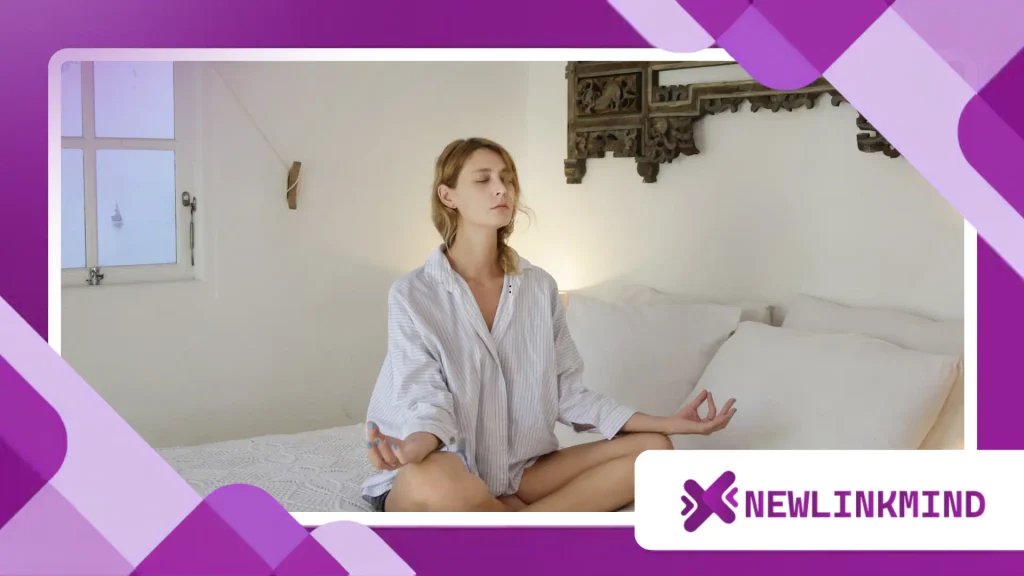
Try body-scanning morning meditation right from your mattress if you want to eliminate the immediate spike in cortisol that alarm clocks trigger every morning.
Before your feet even touch the floor, your mind often races through unread emails, daily schedules, and lingering stress from yesterday.
Reaching for your smartphone immediately floods your nervous system with digital stimuli, trapping you in a reactive state before your day officially begins.
There is a more grounded way to transition from sleep to waking reality. When you start your day with this somatic practice, you intercept that initial stress response.
By systematically directing your attention through every physical zone of your body, you bridge the gap between sleep architecture and conscious awareness, setting a calm, intentional tone for the rest of your day.
Principais conclusões:
- Immediate Somatic Grounding: Calms the sympathetic nervous system before morning stress kicks in.
- Effortless Habit Stacking: Uses your existing waking routine in bed, eliminating the friction of setting up a meditation cushion.
- Neurobiological Benefits: Strengthens interoceptive awareness, reduces baseline anxiety, and sharpens executive function throughout the day.
- Step-by-Step Protocol: A practical 5-to-10-minute guide designed for immediate execution every morning.
What Is Body-Scanning Morning Meditation?
Body-scanning morning meditation is a somatic mindfulness practice where you mentally sweep through your entire body, observing physical sensations without judgment.
Unlike traditional seated meditation practices that focus on a breath anchor or mantra, this technique uses physical touchpoints—from your toes up to the crown of your head—as the object of concentration.
Doing this practice lying flat on your back in bed takes advantage of a unique neurological window.
As your brain transitions from sleep states (theta waves) to alert waking states (alpha and beta waves), your mind remains remarkably pliable.
Practicing somatic awareness during this transitional phase conditions your nervous system to stay grounded rather than jumping straight into fight-or-flight mode.

How Does a Morning Body Scan Affect Your Brain and Nervous System?
Waking up abruptly triggers the sympathetic nervous system, releasing cortisol and epinephrine to help you get moving.
While this response is natural, chronic stress amplifies it into a morning spike that leads to brain fog and irritability.
Somatic practices alter this physiological trajectory by stimulating the vagus nerve.
De acordo com pesquisas da Institutos Nacionais de Saúde, targeted mindfulness practices lower systemic cortisol levels and increase heart rate variability (HRV), signaling to your brain that you are safe.
Instead of moving from an abrupt alarm to phone scrolling, cortisol spikes, and morning anxiety, an in-bed body scan leads to vagal stimulation, parasympathetic balance, and calm focus.
Neuroimaging shows that regular body-scan practices strengthen the insula—the brain region responsible for interoceptive awareness, or your ability to read internal bodily cues.
Enhancing interoception improves emotional regulation, enabling you to navigate workplace stress and daily demands with greater composure.
Why Should You Try Body-Scanning Morning Meditation Before Getting Out of Bed?
Building new habits usually requires overcoming initial resistance. Traditional meditation asks you to wake up early, find a quiet room, sit upright on a cushion, and try to quiet a racing mind.
This creates friction, which often leads to missed days and abandoned routines.
In-bed morning body scans remove that friction entirely. You are already lying in bed, warm, comfortable, and undisturbed.
++ Combine a luz do nascer do sol com a meditação matinal para um começo de dia mais tranquilo.
Anchoring meditation to your natural waking moment leverages a behavioral design concept known as habit stacking.
| Recurso | Seated Daytime Meditation | In-Bed Morning Body Scan |
| Setup Required | Cushion, quiet space, upright posture | None (stay under the covers) |
| Nervous System State | Often elevated mid-day stress | Receptive, transitional alpha state |
| Foco principal | Breath, mantras, or open awareness | Systematic somatic sensation scanning |
| Consistency Barrier | High (requires dedicated scheduling) | Low (anchored to natural waking point) |
| Objetivo principal | Mid-day reset or cognitive focus | Proactive morning stress prevention |
How Do You Perform an In-Bed Body Scan Step by Step?
You can complete this entire routine in 5 to 10 minutes. Practice it as soon as your alarm goes off, moving sequentially from your feet and toes, through your legs, hips, torso, spine, shoulders, and arms, until you reach your head and face.
Establish Your Anchor: Lie flat on your back with your arms resting gently by your sides. Close your eyes and take three slow, deep breaths into your belly.
Leia mais: Os benefícios da meditação durante os intervalos de trabalho
Inhale through your nose, expand your abdomen, and exhale fully through your mouth to release lingering muscle tension.
Focus on Your Feet: Shift your awareness down to your toes, soles, and ankles. Notice any sensations—warmth, coolness, tingling, stiffness, or tightness.
Observe these feelings without trying to fix or change them.
Move Up Through Your Legs: Slowly sweep your focus into your calves, knees, and thighs. Soften any gripped muscles with a subtle, gentle exhale.
Scan Your Core and Torso: Bring your attention to your pelvic area, lower back, abdomen, and chest.
Feel your ribs expand and contract with every breath cycle. Let go of any tension held in your stomach.
Relax Shoulders, Arms, and Hands: Trace your focus through your upper back and shoulders—where stress frequently settles.
Let your shoulder blades sink deeper into your mattress. Move your attention down through your elbows, wrists, and fingertips.
++ Navigate Workplace Uncertainty Using Workplace Meditation
Release Facial and Head Tension: Bring your awareness up your neck to your jaw, tongue, eyes, and forehead. Unclench your teeth, smooth your brow, and relax the muscles around your eyes.
Integrate the Whole Body: Spend your final minute feeling your body as a complete, unified system breathing in harmony.
Gently wiggle your fingers and toes, open your eyes, and sit up with clear, deliberate focus.
What Are Common Challenges and How Do You Overcome Them?
Falling Back Asleep: If your mind drifts back toward sleep during your scan, bend your knees and place your feet flat on the mattress.
You can also open your eyes slightly and rest your gaze on a neutral point on the ceiling while continuing the sweep.
Intensive Mind-Wandering: Distractions are natural. When a thought about your schedule interrupts your scan, acknowledge it calmly without frustration and return your focus to the last physical area you were scanning.
Physical Numbness or Lack of Feeling: Feeling “nothing” in certain body parts is completely normal.
Absence of noticeable sensation is still a valid observation. Simply note the quiet space and move smoothly to the next region.

What Does Clinical Evidence Say About Somatic Mindfulness?
Mindfulness practices built around somatic scanning have strong backing in modern neurobiology and clinical psychology.
Research published by Escola de Medicina de Harvard demonstrates that systematic body scans effectively dial down autonomic arousal and mitigate symptoms of chronic anxiety.
By training your brain to focus on physical sensations instead of worrying about the future, you break the cycle of early-morning rumination.
Clinical studies consistently show that daily somatic exercises improve focus, lower resting blood pressure, and build long-term emotional resilience.
Perguntas frequentes
Can I try body-scanning morning meditation if I sleep on my side?
Yes. While lying flat on your back offers the clearest structural alignment, side sleepers can easily practice this routine without shifting positions.
Keep your spine neutral and proceed through the body scan exactly as outlined.
How long should a morning body scan take?
An effective session takes between 5 and 10 minutes. Consistency matters much more than duration.
A focused 5-minute scan performed daily delivers significantly greater benefits than an hour-long session done sporadically.
How is a body scan different from Progressive Muscle Relaxation (PMR)?
Progressive Muscle Relaxation requires you to actively tense and release specific muscle groups to discharge physical strain.
A body scan requires no physical movement; you simply direct passive, non-judgmental awareness to existing sensations.
What should I do immediately after finishing the scan?
Transition out of bed with intention. Avoid grabbing your smartphone immediately.
Take a moment to sit up, place your feet firmly on the floor, sip a glass of water, and move into your morning routine with calm, grounded awareness.
++ Meditação de Escaneamento Corporal
++ A Body Scan Meditation to Prepare Mind and Body for Sleep