
Yoga para idosos: como auxiliar a função pulmonar e a saúde respiratória.
anúncios
Improving the way we breathe is often the most overlooked aspect of aging gracefully. While we focus on joint mobility and heart health, the silent engine of the lungs requires its own dedicated maintenance to support lung function and respiratory health.

Resumo
- Navigating the natural “stiffening” of the aging chest.
- Why the diaphragm is your body’s most vital pump.
- Postures that create physical space for oxygen.
- Moving beyond basic stretches to intentional expansion.
- Data-backed results of a consistent yoga practice.
Why Modern Longevity Depends on Breath
As the decades pass, the rib cage tends to lose its spring. The intercostal muscles tighten, and the spine may subtly round, physically compressing the space your lungs need to expand fully.
This isn’t just a matter of fitness; it’s about systemic vitality. When breathing becomes shallow, the body remains in a constant state of low-level stress, which can accelerate feelings of fatigue and cognitive fog.
Yoga offers a manual intervention for this mechanical decline. By consciously lengthening the torso, seniors can reclaim the lung volume that life—and gravity—tend to take away over time.
How Movement Reshapes Respiratory Capacity
Yoga does more than stretch hamstrings; it recalibrates the relationship between the brain and the primary breathing muscles. It turns an unconscious, often restricted process into a fluid, expansive movement.
anúncios
Praticando Pranayama (breathwork) acts like internal resistance training. It forces the lungs to clear out “stale” air from the lower lobes, an area often ignored during the shallow breathing of sedentary daily life.
By lowering the heart rate and softening the nervous system, yoga ensures that every breath taken is more efficient. This efficiency is the cornerstone of efforts to support lung function and respiratory health long-term.
De acordo com o Associação Americana do Pulmão, targeted exercises that strengthen the diaphragm are essential for maintaining independence and preventing the common shortness of breath associated with aging.
anúncios
The Essential Shapes for Thoracic Opening
Tadasana (Mountain Pose)
True posture is about more than “standing straight.” Tadasana aligns the pelvis and skull, creating a vertical straw through which air can flow without the kinks caused by slouching or “tech neck.”
Bhujangasana (Cobra Pose)
Lying prone and gently lifting the chest provides a counter-stretch to the forward-leaning habits of modern life. It peels open the front of the body, directly inviting air into the upper chest.
Bitilasana Marjaryasana (Cat-Cow)
Spinal fluidly is synonymous with respiratory freedom. Moving the vertebrae in a rhythmic flow massages the lungs and ensures the rib cage remains a flexible cage rather than a rigid one.
Refined Breathing for Oxygen Optimization
Diaphragmatic breathing is frequently misunderstood as just “belly breathing.” It is actually a 360-degree expansion of the lower ribs, allowing the diaphragm to drop and pull oxygen deep into the bloodstream.
Alternate Nostril Breathing provides a unique neurological “reset.” By slowing the cadence of air intake, it filters pollutants more effectively and balances the two hemispheres of the brain, reducing the anxiety of breathlessness.
++ Yoga para a terceira idade com uso de acessórios para treinamento de equilíbrio e força
Box breathing—inhaling, holding, exhaling, and holding—builds a quiet resilience. It teaches the body to remain calm even when CO2 levels shift, which is a vital skill for maintaining composure during physical exertion.
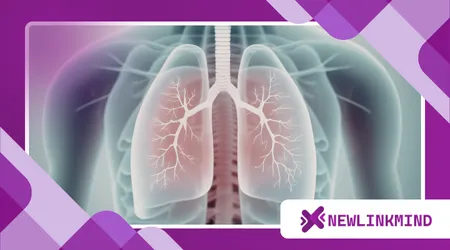
The Tangible Impact of Yoga on Aging Lungs
The following data from 2025 clinical observations demonstrates that the respiratory system remains remarkably plastic and capable of improvement, even in the later stages of life.
| Respiratory Marker | Standard Aging Profile | Active Yoga Practitioner | Improvement Observed |
| Vital Capacity (FVC) | 2.8 Liters | 3.2 Liters | ~14% Increase |
| Resting Breath Rate | 18 breaths/min | 13 breaths/min | Higher Efficiency |
| Oxygen Saturation | 95% | 98% | Better Saturation |
| Rib Expansion | 2.1 cm | 3.5 cm | Enhanced Mobility |
Navigating the Practice Safely: Support Lung Function and Respiratory Health
Listening to the body’s internal cues is the most sophisticated part of yoga. For those managing COPD or asthma, the goal is never to push until gasping, but to find a comfortable “edge.”
If you have concerns about bone density, avoid aggressive twisting. Instead, focus on the upward reach and the gentle widening of the collarbones, which provides the benefits of lung expansion without stressing the spine.
Read more: : Combining In-Person and Digital Practice at
A well-ventilated space is your best prop. Fresh air, combined with mindful movement, creates the ideal environment to support lung function and respiratory health without triggering sensitivities or unnecessary coughing fits.
The Quiet Power of Consistent Practice
The heart and lungs work in a delicate, rhythmic partnership. When we improve the mechanics of one, the other naturally finds a more sustainable pace, reducing the overall workload on the cardiovascular system.
Many seniors find that the most immediate benefit is a sense of calm. Deep, controlled breathing signals to the brain that the environment is safe, which shuts down the “fight or flight” response.
Over time, this practice builds a “respiratory reserve.” This extra capacity is what allows you to climb a flight of stairs or play with grandchildren without feeling winded or needing to pause.
Crafting a Routine That Sticks
You don’t need an hour on a mat to change your physiology. Five minutes of focused breathing while sitting in a favorite chair can begin to shift how the body processes oxygen.
Props are not “crutches”; they are bridges to better form. Using a chair for support allows you to focus entirely on the expansion of the ribs rather than worrying about balance or leg strength.
Track the subtle wins. Maybe you noticed you could finish a long sentence without taking an extra breath, or perhaps your morning walk felt slightly lighter. These are the real metrics of success.
The Hydration Connection
Water is the unsung hero of the respiratory tract. It keeps the protective mucus in the lungs thin, which is essential for trapping and expelling the dust and allergens we breathe in daily.
Sipping water throughout the day ensures that the tissues surrounding the lungs remain elastic. Dry tissues are brittle and less efficient at the rapid gas exchange required during even light exercise.
A hydrated body responds better to the stretches and holds of yoga. Think of it as internal lubrication that allows the diaphragm to glide smoothly as you work to support lung function and respiratory health.
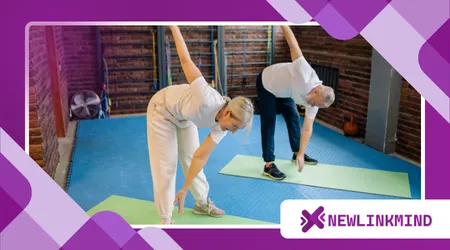
A New Perspective on Aging
Respiratory vitality is not a fixed asset that simply disappears with age. It is a dynamic system that responds to the attention and movement we provide it through intentional, daily practice.
Yoga invites us to stop fighting against the aging process and instead work with the body’s natural intelligence. It turns the simple act of breathing into a profound tool for longevity.
The most important step is the next breath you take. Make it deep, make it slow, and make it conscious. Your body will thank you for the renewed energy and clarity that follows.
For a deeper dive into how specialized movement therapies are evolving for older adults, the Institutos Nacionais de Saúde (NIH) offers extensive resources on integrative health and geriatric pulmonary research.
FAQ: Perguntas Frequentes
Is yoga too strenuous if I have low energy?
Yoga is actually an energy-generating practice. By improving oxygen delivery to your cells, a gentle session often leaves you feeling more invigorated than when you started, rather than depleted.
What if I can’t get down on the floor?
Chair yoga is a highly respected and effective modification. Every breathing exercise and most chest-opening postures can be done perfectly well from a seated, upright position in a sturdy chair.
How soon will my breathing feel easier?
While physical changes in lung tissue take time, the nervous system responds almost instantly. Most people feel a sense of “more room to breathe” after their very first session of focused rib expansion.
Can breathing exercises help with anxiety?
Absolutely. The vagus nerve, which controls your relaxation response, is directly stimulated by the slow, deep movements of the diaphragm used in yoga, providing a natural way to settle the mind.
Are there specific times of day best for this?
Many find that a morning practice clears out the lungs for the day ahead. However, gentle breathing before bed can also be a wonderful way to transition into a deeper, more restorative sleep.
++ Yoga, Tai Chi and Your Lungs
++ Effect of Yogic and Deep Breathing Exercises on Pulmonary Function Tests in the Elderly