anúncios
When you choose to explore stillness before screens through a daily morning meditation practice, you protect your attention, regulate your stress response, and set a calmer tone for the entire day.
Reaching for a smartphone before your feet even touch the floor has become an automatic reflex for millions of Americans.
Yet flooding your brain with notifications, news alerts, and emails the second you wake up puts your nervous system straight into a reactive state.
Building a screen-free morning routine does not require an hour on a meditation cushion or complete silence in your home.
Even five to ten minutes of intentional quiet before unlocking your phone can noticeably shift your focus and emotional steadiness.
Principais conclusões
- Protect your waking brain state: Waking up is a natural transition period when your mind is highly impressionable, making it ideal for calm focus rather than digital overstimulation.
- Start small to build consistency: Five minutes of breath awareness or body scanning before checking your phone is enough to establish a sustainable daily habit.
- Design your environment the night before: Charging your phone outside the bedroom removes morning friction and eliminates the temptation to scroll out of habit.
- Focus on attention, not perfection: A wandering mind is a normal part of meditation; gently returning your focus to your breath is what builds mental resilience.
Why Does Checking Screens First Thing in the Morning Affect Your Mood?
Your brain moves through distinct electrical states as you wake up, transitioning from slower delta and theta waves toward alert beta waves.
Immediately opening social media, text threads, or work email forces an abrupt jump into high-alert processing before you have even grounded yourself in the physical world.
Instead of deciding what matters most to you that day, you hand your attention over to algorithms, other people’s urgent requests, and breaking headlines.
Over time, this habit trains your brain to associate waking up with low-grade urgency and distraction.
De acordo com o Centro Nacional de Saúde Complementar e Integrativa (NCCIH), regular meditation and mindfulness practices can help reduce stress, anxiety, and symptoms of burnout while supporting overall emotional well-being.
Beginning your day with stillness gives your nervous system a chance to settle before external demands arrive.

What Does It Mean to Explore Stillness Before Screens?
To explore stillness before screens simply means creating a deliberate buffer between waking up and engaging with digital devices.
During that buffer, you direct your attention inward rather than outward.
Stillness does not mean forcing your thoughts to stop completely.
++ Pratique a reflexão não verbal com meditação matinal todos os dias.
Rather, it involves sitting quietly, noticing your breath or bodily sensations, and letting morning thoughts pass without immediately reacting to them.
How Morning Stillness Differs From Simply Delaying Phone Use
Putting off phone use while rushing through breakfast or turning on the television still keeps your mind occupied with external input.
Morning meditation is different because it pairs screen-free time with active, non-judgmental awareness.
By sitting still without audio, video, or text, you give your mind space to process overnight rest and establish clear priorities.
Leia aqui: Fortaleça a metacognição através da prática de meditação matinal.
That intentional pause builds the mental muscle needed to stay focused later when your inbox fills up.
Morning Meditation vs. Immediate Screen Time: How Your Day Starts
The choices you make in the first 15 minutes after waking shape your focus, stress levels, and decision-making for hours afterward.
The comparison below highlights how these two approaches influence your morning state.
| Daily Habit Factor | Immediate Screen Use Upon Waking | Daily Morning Meditation Before Screens |
| Primary Mental State | Reactive, fragmented, and externally driven | Grounded, observant, and self-directed |
| Attention Direction | Pulled across notifications, news, and messages | Anchored to a single point, such as the breath |
| Resposta ao estresse | Can trigger early cortisol spikes and urgency | Encourages slower breathing and physical relaxation |
| Morning Decision-Making | Shaped by outside demands and alerts | Guided by personal priorities and clear intention |
| Habit Friction | Zero friction when the phone is within arm’s reach | Requires basic setup, such as using a traditional alarm clock |
How Can You Build a Simple Daily Morning Meditation Routine?
Starting a morning meditation habit works best when you keep the barrier to entry low.
++ Apoie os enfermeiros durante turnos intensos com meditação no local de trabalho.
You do not need specialized equipment, apps, or complex techniques—especially since relying on a meditation app first thing in the morning can accidentally pull you back toward notifications.
Step 1: Remove the Phone From Your Nightstand
If your phone doubles as your alarm clock, checking messages becomes nearly effortless. Switch to a basic standalone alarm clock and leave your phone charging in the kitchen, living room, or hallway overnight.
Creating physical distance between your bed and your screen is one of the most reliable ways to protect your morning stillness.
Step 2: Choose a Dedicated Spot and Posture
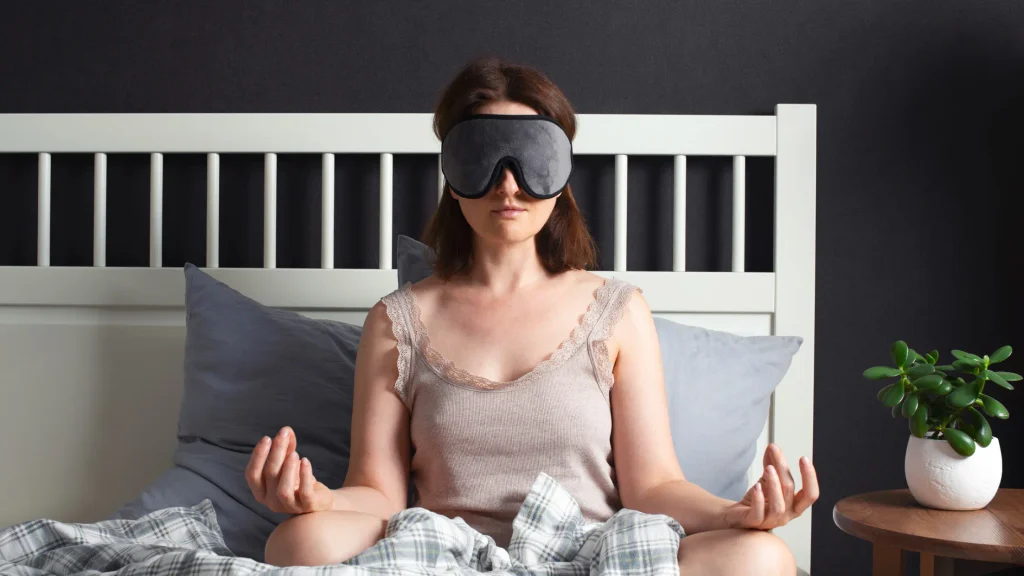
Pick a comfortable chair, the edge of your bed, or a folded blanket on the floor where you can sit with your spine upright yet relaxed.
Keep your feet flat on the floor or crossed comfortably, and rest your hands on your thighs. Good posture helps keep you alert so you do not drift back to sleep.
Step 3: Follow a 5-to-10-Minute Anchor Practice
Set a gentle kitchen timer or watch alarm so you are not tempted to check the time. Once seated, try this straightforward sequence:
Take three deep breaths: Inhale slowly through your nose and exhale fully through your mouth to release physical tension.
Let your breathing settle: Allow your breath to return to its natural rhythm without trying to control its depth or pace.
Notice physical sensations: Pay attention to the feeling of air moving at your nostrils, the rise and fall of your chest, or the weight of your body against the chair.
Redirect wandering thoughts: When you notice your mind planning your to-do list or replaying yesterday’s conversations, acknowledge the thought neutrally and return your attention to your breath.
Close with one clear intention: Before standing up, identify one quality—such as patience, clarity, or steadiness—that you want to carry into your day.
What Common Obstacles Get in the Way of Screen-Free Mornings?
Even well-intentioned routines run into practical roadblocks. Knowing what to expect helps you stay consistent when mornings feel rushed or restless.
Feeling too restless to sit still: Morning energy or stiffness can make sitting quietly uncomfortable.
Try doing two minutes of gentle stretching before you sit down, or keep your eyes softly open and focused on a spot on the floor.
Worrying about missing urgent messages: Unless you are on call for work or caring for someone with acute medical needs, almost every message can wait 10 minutes.
Letting close family members know you are offline for the first 15 minutes of the morning provides peace of mind.
Thinking you are “bad” at meditating: Getting distracted dozens of times during a single session is completely normal.
Each time you notice your attention has wandered and bring it back, you are actively practicing mindfulness.
Snoozing until there is no time left: If you regularly hit snooze, start with just three minutes of stillness while sitting on the edge of your bed before standing up.
Pesquisa resumida por Associação Americana de Psicologia (APA) notes that mindfulness meditation supports healthier stress management and improved attentional control, particularly when practiced consistently over time rather than only during moments of crisis.
Note that if you experience severe anxiety, trauma-related distress, or persistent sleep disorders, working with a licensed healthcare or mental health professional can help you tailor mindfulness practices safely to your needs.

Conclusão
Optar por explore stillness before screens is a practical, low-cost way to reclaim control over your attention at the start of every day.
By creating a brief screen-free buffer and anchoring your mind with a few minutes of morning meditation, you replace digital reactivity with clarity and calm.
For a realistic next step tonight, plug your phone into a charger outside your bedroom and set a standard alarm clock.
Tomorrow morning, give yourself just five quiet minutes to breathe before looking at a single notification.
Perguntas frequentes
How long should I meditate before looking at my phone in the morning?
Five to ten minutes is plenty for beginners and busy schedules. Consistency matters far more than duration, so a daily five-minute practice before checking screens is more effective than an occasional 30-minute session.
Can I use a meditation app for my morning practice?
You can, though opening your phone first thing in the morning exposes you to lock-screen notifications and the temptation to check messages.
If you prefer guided audio, consider downloading tracks in advance, keeping your phone in Airplane Mode until you finish, or using a simple timer without a screen.
What if I fall asleep during morning meditation?
Feeling sleepy is common when you meditate right after waking up.
Try splashing cold water on your face, opening a window or curtains for natural daylight, and sitting upright in a supportive chair rather than meditating in bed.
How soon will I notice benefits from screen-free morning meditation?
Many people notice an immediate sense of calm and less morning rush within the first few days.
Deeper shifts in focus, emotional regulation, and stress resilience typically build gradually over several weeks of regular daily practice.
++ Start with Stillness: 5 Reasons to Start a Morning Meditation Practice
++ Meditation in the Digital Age: Finding Stillness Amidst the Noise