
Practicing Yoga in a Shared Home: Finding Personal Space Without Isolation

advertisements
Practicing Yoga in a Shared Home requires a delicate balance between your personal wellness journey and the collective energy of a busy, lived-in household environment.
Navigating communal living—whether with roommates, partners, or children—often feels like a hurdle for mindfulness. However, establishing a consistent practice doesn’t require a private Zen studio or complete silence.
In this guide, we explore how to reclaim your mat space while staying connected to those around you. You will learn technical adjustments, communication strategies, and environmental hacks for 2025.
Summary
- Psychological benefits of boundary setting in shared environments.
- Physical strategies to maximize small, high-traffic spaces effectively.
- The 2025 “Micro-Flow” trend for busy, communal households.
- Practical gear and tech solutions for noise management.
Why is Practicing Yoga in a Shared Home Essential for Modern Wellness?
Modern urban living increasingly involves high-density housing where personal square footage is limited, making intentional movement a vital necessity for maintaining mental health and physical mobility.
When you begin practicing yoga in a shared home, you cultivate a “portable sanctuary.” This skill allows you to regulate your nervous system despite external chaos or nearby conversations.
advertisements
Beyond physical fitness, home practice fosters resilience. It teaches you to focus inward while external life continues, a core tenet of Pratyahara, or the withdrawal of the senses.
Integrating your routine into a shared space also models healthy habits for others. Seeing a focused practice can inspire roommates or family members to respect and value quiet intervals.
How Can You Define Boundaries Without Creating Social Isolation?
Successful integration starts with transparent communication. Clearly stating your needs prevents the resentment that often arises when someone accidentally interrupts your flow or steps on your mat.
advertisements
Try scheduling your sessions during “off-peak” hours. Understanding the natural rhythm of your household helps you find those 20-minute windows when the kitchen or living room remains largely vacant.
Visual cues are incredibly powerful. Using a specific rug or a “do not disturb” sign provides a non-verbal signal that you are currently engaged in a private, focused activity.
Read more: The Emotional Landscape of Practicing Yoga at Home
Invite your housemates into the process. Explaining that practicing yoga in a shared home helps you be a more patient, grounded person usually encourages their enthusiastic support and cooperation.
Which Tools Help Maintain Focus in Busy Environments?
Noise-canceling technology has revolutionized home practice. High-quality wireless earbuds allow you to follow complex flows or meditation prompts without bothering others or being distracted by their activities.
Consider portable “Yoga Stations.” Storing your mat, blocks, and straps in a dedicated basket makes setup and cleanup nearly instantaneous, reducing the friction of starting a session in common areas.
See how interesting: From Couch to Mat
Aromatherapy serves as a sensory boundary. Using a specific essential oil diffuser can mentally “wall off” your corner, signaling to your brain that it is time to transition into practice.
Lightweight, foldable room dividers offer a physical barrier for those living in studio apartments. These provide visual privacy without permanently altering the layout or flow of your shared living space.
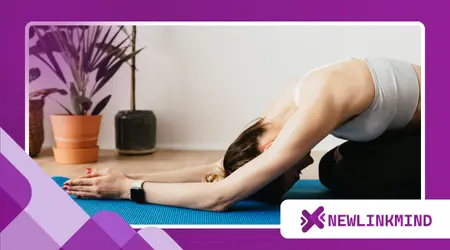
What are the Best Times for Practicing Yoga in a Shared Home?
The “Golden Window” often exists just before the household wakes up. Early morning sessions offer the highest probability of silence and the lowest risk of unexpected interruptions or social demands.
Late evening “Wind-Downs” are another excellent option. As the house settles, a restorative practice can help signal to everyone that the day is ending, promoting a collective sense of calm.
Lunch breaks are increasingly popular for those working from home. A quick 15-minute sun salutation sequence can reset your posture and focus between morning meetings and afternoon administrative tasks.
According to data from the National Center for Complementary and Integrative Health (NCCIH), yoga significantly reduces stress, making these small windows of practice vital for long-term emotional regulation.
Data Analysis: The Impact of Home Environment on Practice Frequency
The following table reflects 2025 trends regarding how physical environment affects the consistency of those practicing yoga in a shared home, based on recent wellness habit surveys.
| Factor | Impact on Consistency | Recommended Solution |
| High Foot Traffic | Decreases by 40% | Use a corner with low “pathway” value. |
| Noise Levels | Decreases by 25% | Noise-canceling headphones + Lo-fi beats. |
| Visual Clutter | Decreases by 15% | Face a window or a clean, bare wall. |
| Social Support | Increases by 60% | Share your schedule with housemates. |
How Do You Handle Interruptions Gracefully? Practicing Yoga in a Shared Home
Interruptions are inevitable when practicing yoga in a shared home, so viewing them as part of the practice—rather than a failure—is essential for maintaining your long-term mental peace.
If a pet or child enters your space, acknowledge them briefly and return to your breath. This “soft focus” prevents the frustration spike that usually breaks the flow of a session.
++ The Coffee-Meditation Combo
Practice “Micro-Yoga” when time is short. If a roommate needs the kitchen, shift your practice to a seated meditation or a standing stretch in your bedroom to maintain your daily momentum.
Remember that flexibility applies to your schedule as much as your hamstrings. Being adaptable ensures that your practice remains a source of joy rather than another rigid chore or obligation.
Where Should You Place Your Mat for Maximum Privacy?
Corners are statistically the best locations for practicing yoga in a shared home. Placing your mat against two walls provides a psychological sense of security and limits your peripheral distractions.
Avoid high-traffic “transit zones” like the hallway or the area directly in front of the refrigerator. These spots invite accidental collisions and make it difficult for others to move freely.
If possible, face away from the center of the room. Looking toward a window or a neutral wall helps keep your attention internal and reduces the urge to engage socially.
Utilize “Dead Spaces.” Often, a small area behind a sofa or at the end of a bed is sufficient for a full range of motion while remaining out of everyone’s way.
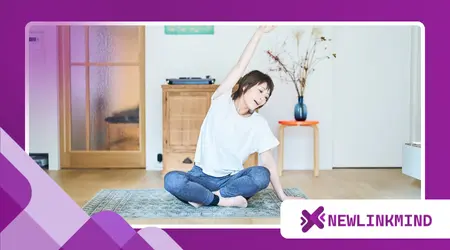
Harmony Through Mindful Presence Practicing Yoga in a Shared Home
Finding your center while practicing yoga in a shared home is a powerful exercise in modern mindfulness. It requires a blend of clear communication, smart spatial planning, and mental resilience.
By treating your home as a collaborative space rather than a series of obstacles, you turn every session into an opportunity for growth. Your mat becomes a bridge to inner peace.
For more technical guidance on optimizing your physical health through movement, visit the Mayo Clinic Health System for evidence-based wellness resources and expert advice.
Frequently Asked Questions
What if my roommates are loud during my practice?
Communicate your schedule in advance and use noise-canceling headphones. Most people are willing to lower their volume if they know you are in a 20-minute focused session.
Is it okay to practice yoga in my bedroom?
Absolutely. While living rooms offer more space, the bedroom provides the highest level of privacy. Use “wall yoga” techniques if floor space is limited for full leg extensions.
How do I stop feeling self-conscious?
Focus on your breath and remember that everyone is likely preoccupied with their own tasks. Over time, practicing yoga in a shared home becomes a normal part of the household.
Can I practice in short 10-minute bursts?
Yes, “snackable” yoga is highly effective. Multiple short sessions throughout the day can be easier to fit into a shared household schedule than one long, uninterrupted hour.
What is the best way to clean my mat in a small apartment?
Use a quick-drying natural spray after every session. Hang your mat over a chair or a balcony for ten minutes to ensure it stays fresh without cluttering the floor.