publicités
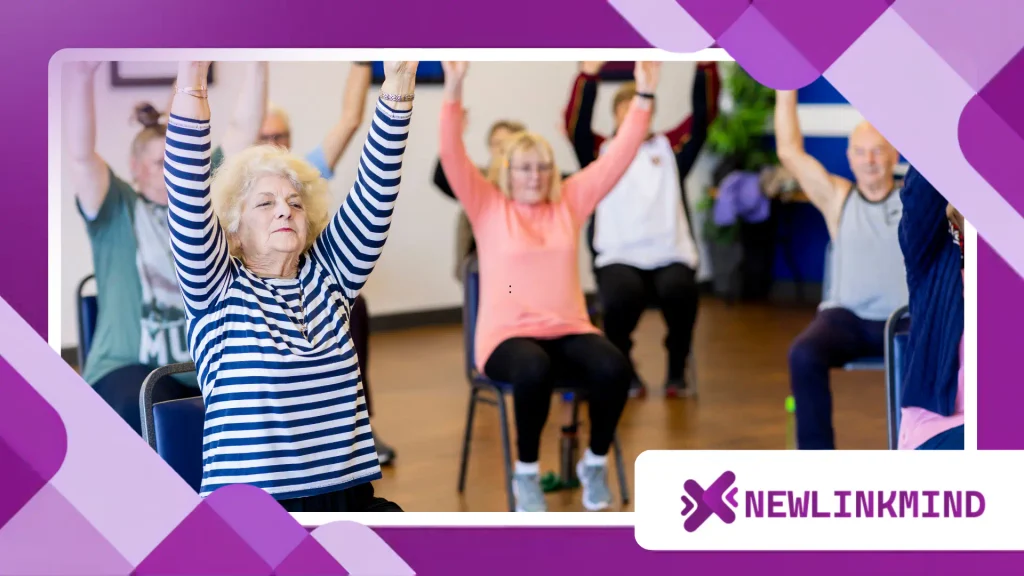
When instructors and practitioners Adapt Chair Sequences, senior practitioners can experience the full therapeutic spectrum of yoga without demanding painful floor transitions.
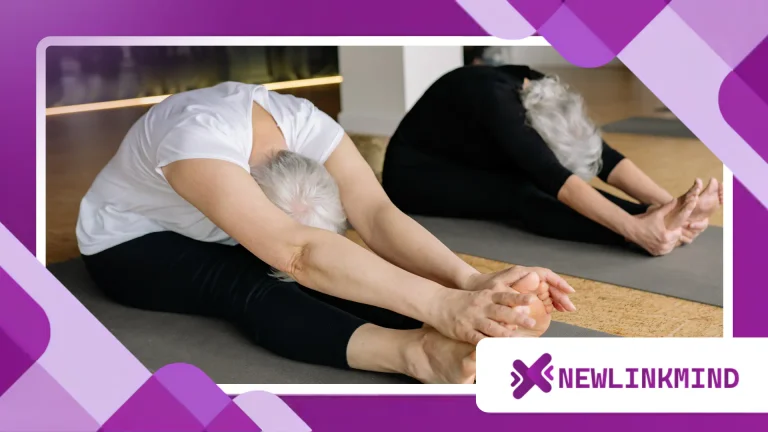
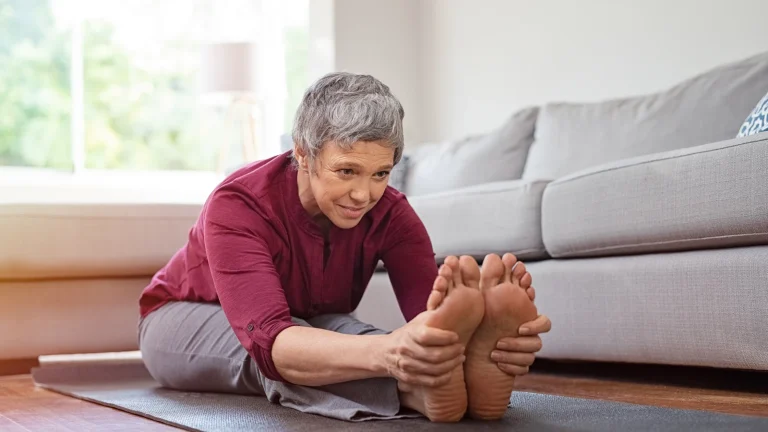
For older adults seeking the cognitive and mobility benefits of yoga, traditional mat classes often present a frustrating barrier: getting up and down from the floor.
Transitioning between floor poses and standing postures puts undue stress on aging joints, increases fall risks, and turns an enriching movement practice into an exhausting struggle.
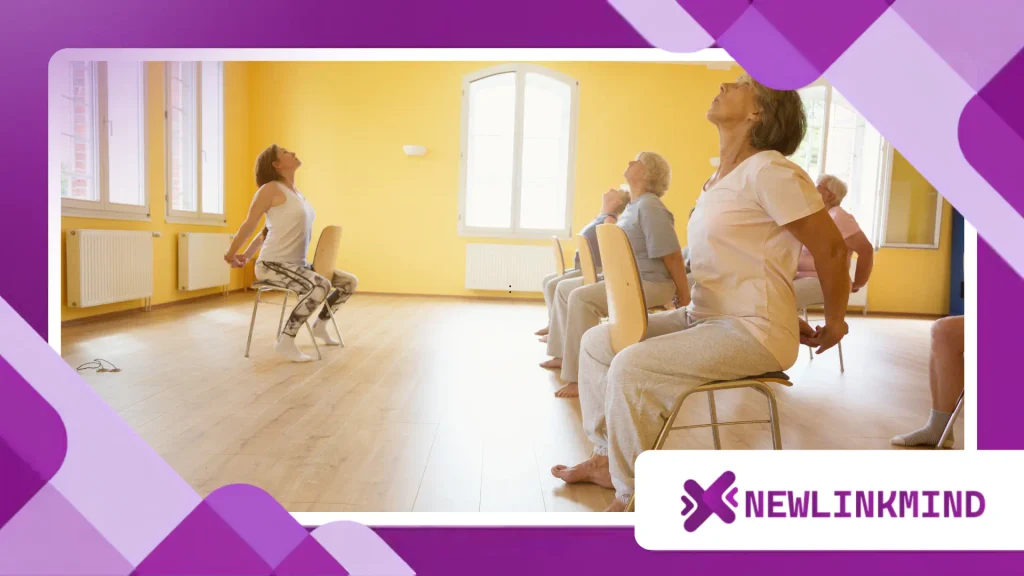
Chair-based yoga delivers gentle axial extension, dynamic joint lubrication, and mindfulness directly from a supported, stable seated position.
Modifying sequence structures empowers older adults to build functional strength, expand respiratory capacity, and maintain independence safely.
Points clés à retenir
- Eliminate Floor Stress: Seated and chair-supported sequences remove complex floor transitions while protecting hips, knees, and wrists.
- Biomechanical Modifications: Simple adjustments to spinal alignment, breath integration, and lever lengths yield maximum joint longevity.
- Targeted Chair Flow: Core postures—from Seated Sun Salutations to modified warriors—replicate traditional mat yoga benefits without safety compromises.
- Evidence-Based Mobility: Regular seated practice improves balance, reduces systemic inflammation, and enhances autonomic nervous system regulation.
Why Should Seniors Adapt Chair Sequences for Daily Practice?
Aging naturally alters connective tissue elasticity, bone density, and proprioceptive responsiveness.
Standard floor-based yoga often demands rapid hip flexion and significant weight-bearing through fragile wrist joints.
By modifying movement pathways to rely on a stable chair, older adults eliminate painful joint compression while maintaining critical spinal articulation.
Recherches mises en lumière par Instituts nationaux de la santé demonstrates that consistent, low-impact mind-body exercise significantly decreases balance deficits and enhances functional independence in older demographics.
Sitting on a sturdy chair provides a firm base of support.
This stability allows seniors to focus entirely on postural alignment and diaphragmatic breathing rather than worrying about losing their balance.
Chair sequences also accommodate common age-related conditions like osteoarthritis, spinal stenosis, and total joint replacements.
Removing the floor from the equation creates an inclusive environment where movement remains a source of vitality rather than anxiety.
How Do Modified Chair Sequences Preserve Traditional Yoga Benefits?
Traditional yoga poses aim to lengthen skeletal muscle, improve circulatory flow, and regulate the nervous system.
++ Améliorer la mémoire verbale grâce à la pratique du yoga pour les personnes âgées
Adapting these postures for a chair retains every physiological benefit while neutralizing fall hazards.
| Traditional Mat Posture | Seated Chair Adaptation | Primary Physiological Focus |
| Chien tête en bas (Adho Mukha Svanasana) | Seated Desk Dog or Chair Forward Fold with hands on backrest | Latissimus dorsi lengthening and thoracic extension |
| Guerrier II (Virabhadrasana II) | Straddle Seated Warrior II with thigh support | Hip adductor opening and shoulder girdle endurance |
| Triangle Pose (Trikonasana) | Seated Side Bend with arm extended and hand anchored on chair seat | Quadratus lumborum elongation and lateral rib cage expansion |
| Chat-Vache (Marjaryasana-Bitilasana) | Seated Cat-Cow with hands on knees or thighs | Pelvic tilting and segmental spinal mobilization |
Every major movement plane—flexion, extension, lateral side-bending, and axial rotation—remains fully accessible from a chair.
Lire ici : Restez actif cet hiver grâce à la pratique du yoga pour les seniors
Practitioners stretch tight pectorals, activate underused upper back muscles, and gently release tension along the posterior chain without placing extreme demands on fragile lower-extremity joints.
What Are the Essential Steps to Adapt Chair Sequences Safely?
Designing effective seated routines requires careful attention to biomechanics, room setup, and individual physical limitations.
Following systematic steps guarantees a therapeutic experience that respects anatomical boundaries.
Equipment Setup: Choose a sturdy, armless chair placed firmly on a non-slip surface. Align feet flat on the floor or on blocks.
Postural Foundation: Establish a neutral pelvis, long spine, and gentle core engagement before moving.
Breath Synchronization: Pair movements smoothly with slow, controlled nasal breathing.
Systematic Joint Mobilization: Progress deliberately from neck and shoulder rolls to hip and spinal articulation.
Detailed Step Breakdown
Select and Position Proper Equipment: Always use a non-wheeled chair placed on a rubberized floor surface or non-slip yoga mat.
Avoid soft armchairs or cushioned sofas that cause the pelvis to tilt backward and round the lumbar spine unnaturally.
Establish Neutral Seated Alignment: Instruct students to sit toward the front third of the chair seat.
Feet should rest flat on the floor, hip-width apart, creating a solid 90-degree angle at the knees and ankles.
Use wooden blocks under the feet if they do not comfortably reach the floor.
Synchronize Movement with Respiratory Rhythm: Initiate every sequence with conscious breath awareness.
Inhalations should accompany expansion, chest lifting, and spinal elongation. Exhalations should guide abdominal contraction, spinal twisting, or gentle forward folding.
Which Core Chair Yoga Sequences Work Best Without Floor Work?
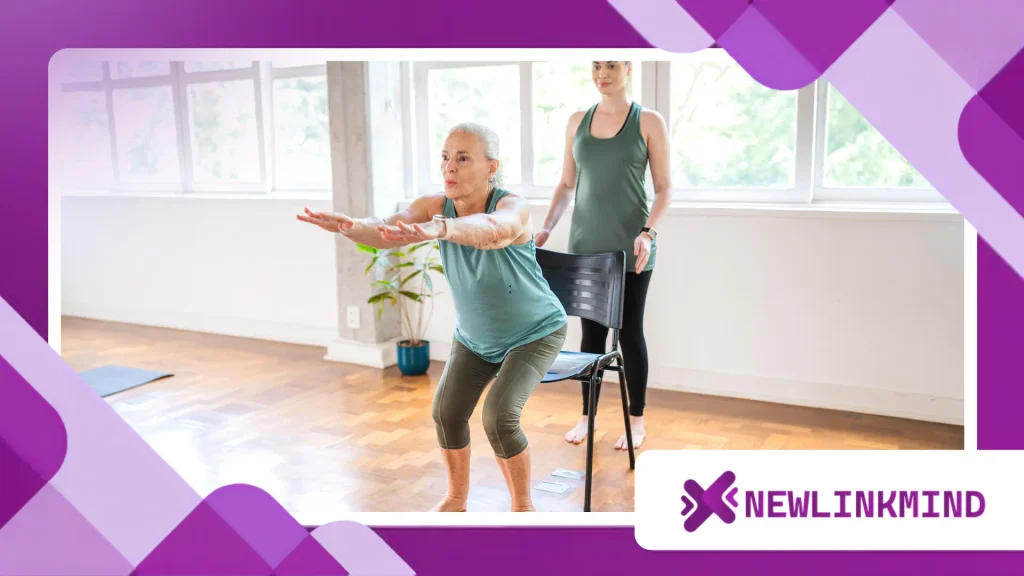
A well-rounded chair yoga practice incorporates gentle warm-ups, active strengthening poses, and restorative cool-down stretches.
These three targeted sequences provide maximum benefit without requiring any floor contact.
Sequence 1: The Seated Sun Salutation (Surya Namaskar)
Starting Position: Sit tall with feet grounded, hands resting at heart center in prayer position (Anjali Mudra).
Inhaler: Sweeping arms out to the sides, extend them overhead to a comfortable height without scrunching shoulders.
Exhaler: Hinge at the hips, floating hands down to touch shins or blocks while keeping the neck long.
Sequence 2: The Supported Warrior & Side Stretch Series
Warrior I: Pivot body toward the right side of the chair, resting the right thigh fully across the seat.
Extend the left leg back softly, pressing the ball of the foot down. Raise arms overhead or keep hands on hips for balance. Hold for 4 deep breaths.
Warrior II: Open the torso toward the front while keeping the right leg supported by the chair. Open arms parallel to the floor, gazing softly over right fingertips.
Reverse Warrior: Drop the left hand to the back thigh, lifting the right arm overhead to open the lateral ribs.
Transition: Carefully swing legs back to center and repeat the entire sequence on the left side.
Sequence 3: Seated Spinal Release & Hip Opening
Seated Figure Four: Lift the right ankle and rest it gently over the left knee or thigh. Flex the right foot to protect the knee joint.
Sit tall, feeling a deep release in the outer right hip. Gently hinge forward at the hips to intensify the stretch if needed.
Seated Twisting: Return both feet flat to the floor. Inhale to lengthen the crown of the head toward the ceiling.
Exhale and rotate the torso gently to the right, placing the left hand on the outer right thigh and the right hand on the chair’s backrest. Hold for 3 breaths, then switch sides.
What Common Safety Mistakes Should Seniors Avoid During Chair Yoga?
Even supported seated practices require careful form to prevent strain or discomfort. Working within safe physiological boundaries preserves joint health and prevents post-exercise soreness.
Over-Rotating the Lumbar Spine: Avoid twisting forcefully from the lower back. Initiate all axial rotations from the middle back (thoracic spine) while keeping the pelvis firmly anchored.
Collapsing the Chest in Forward Folds: Rounding excessively through the upper spine compresses thoracic vertebrae. Hinge directly from the hip crease, maintaining a long back.
Holding the Breath During Effort: Older adults sometimes hold their breath during demanding postures, which rapidly elevates blood pressure. Maintain smooth, continuous nasal breathing throughout every sequence.
Forcing Range of Motion: Never force a joint past its natural stopping point. Mild sensation is healthy; sharp pain signals an immediate need to back off.
How Does Science Support Seated Mind-Body Movement for Older Adults?
Clinical studies consistently highlight the broad physiological benefits of adapted mind-body practices for older populations.
Regular seated practice reduces systemic stress hormones, improves vascular compliance, and enhances motor control.
Selon une étude publiée par le École de santé publique T.H. Chan de Harvard, continuous physical activity tailored to individual functional capacities significantly reduces chronic disease markers and enhances cognitive longevity.
By adapting traditional movement patterns to a secure chair framework, seniors gain access to crucial neurological and musculoskeletal benefits without exposing themselves to orthopedic trauma.
Chair yoga acts as a powerful tool for self-efficacy. Mastering movement sequences builds physical confidence, encouraging older adults to remain active, engaged, and independent in their daily lives.
Foire aux questions
Can beginners do chair yoga every day?
Yes. Gentle chair yoga is safe for daily practice. Short daily sessions lasting 15 to 20 minutes help reduce joint stiffness, improve circulation, and build sustainable movement habits without causing overexertion.
What equipment do seniors need for a safe chair yoga session?
All that is required is a sturdy, armless chair placed on a non-slip surface like a yoga mat.
Optional props include yoga blocks to support feet that do not reach the ground comfortably and a soft strap for gentle stretching.
How does chair yoga help seniors who suffer from arthritis?
Seated sequences move joints through a gentle range of motion, stimulating the production of lubricating synovial fluid.
This reduces friction, eases chronic stiffness, and strengthens surrounding stabilizing muscles without loading sensitive joints with body weight.
Is chair yoga effective for improving balance?
Chair yoga strengthens core stabilizing muscles, enhances ankle mobility, and increases body awareness.
These physical improvements directly translate to better postural control and reduced fall risks during daily walking and standing activities.