publicités
Lors de l'exploration Yoga somatique vs yoga traditionnel, De nombreux pratiquants se trouvent alors à la croisée des chemins entre la discipline physique rythmique et l'art subtil et interne de la régulation du système nerveux.
Il ne s'agit pas simplement d'un choix entre différents styles d'étirement ; c'est une décision fondamentale sur la manière dont vous comptez communiquer avec votre propre biologie pour démanteler les structures de l'anxiété chronique.

Résumé des observations
- Décryptage des mécanismes fondamentaux du yoga somatique et traditionnel.
- Pourquoi la “ sensation ressentie ” interrompt-elle efficacement le cycle de la rumination anxieuse ?.
- Impacts neurobiologiques : stimulation du nerf vague et réduction du cortisol systémique.
- Analyse comparative des objectifs d'entraînement, des résultats physiques et de la clarté mentale.
- Stratégies pratiques pour choisir une méthode adaptée à votre profil d'anxiété spécifique.
Quelle est la principale différence entre le yoga somatique et le yoga traditionnel ?
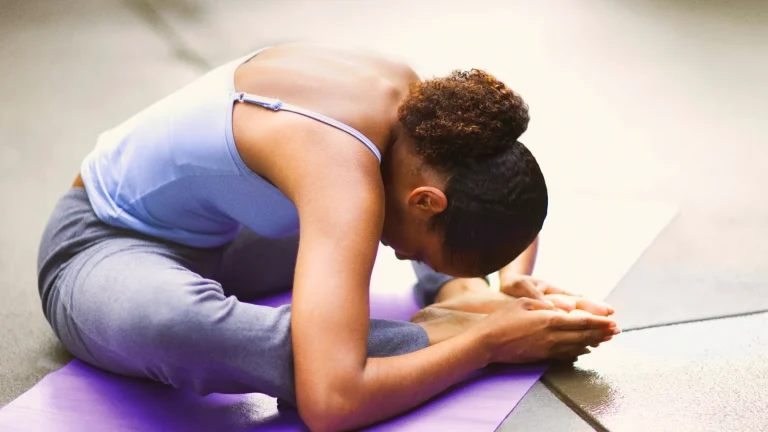
Le yoga traditionnel s'articule généralement autour de Asana, où l'accent est mis sur l'alignement, la forme externe et la solidité structurelle.
Que vous pratiquiez un enchaînement de Hatha ou de Vinyasa, l'objectif sous-jacent est implicite : atteindre une posture précise. Cette discipline recèle une beauté discrète, mais elle exige souvent du corps qu'il se conforme à une forme prédéfinie.
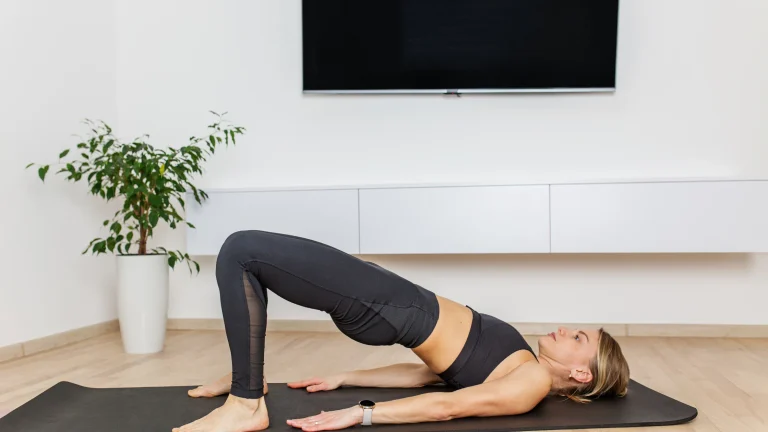
Le yoga somatique renverse complètement cette approche. Il privilégie le paysage intérieur à l'apparence de la posture dans un miroir.
Au lieu de forcer l'étirement, vous effectuez des mouvements lents et conscients destinés à combler le fossé entre le cerveau et les groupes musculaires oubliés.
Cette approche cible “ l’amnésie sensori-motrice ”, cet état frustrant où le cerveau oublie littéralement comment détendre les muscles contractés par des années de stress.
Alors que les pratiques traditionnelles développent la résilience par la maîtrise des défis physiques, la somatique est un exercice d'abandon.
En bougeant sans la pression de la “ perfection ”, vous commencez à accéder à des couches neurologiques qu'un chien tête en bas standard ne peut tout simplement pas atteindre.
Comment le système nerveux réagit-il à ces pratiques ?
L'anxiété est rarement un phénomène purement “ mental ” ; c'est un événement qui affecte tout le corps, provoqué par une hyperactivité du système nerveux sympathique.
Yoga somatique vs yoga traditionnel propose deux voies biologiques distinctes pour retrouver un sentiment de sécurité intérieure. Les méthodes traditionnelles s'appuient souvent sur Pranayama (exercices respiratoires) pour envoyer un signal “ d’arrêt ” manuel aux glandes surrénales.
La respiration rythmée pendant une salutation au soleil contribue à synchroniser la variabilité de la fréquence cardiaque. Il s'agit d'un indicateur essentiel de la santé émotionnelle qui a tendance à chuter lorsque nous sommes submergés par le stress.
C'est une approche descendante : vous contrôlez votre respiration pour calmer l'esprit, ce qui finit par apaiser le corps.
Les mouvements somatiques agissent de bas en haut. En invitant le cerveau à percevoir les micro-sensations d'un glissement d'omoplate ou d'une inclinaison du bassin, on fournit au système nerveux de nouvelles informations.
Vous ne vous contentez pas de vous dire que vous êtes en sécurité ; vous le prouvez par le mouvement, convainquant ainsi efficacement votre cerveau que la “ menace ” est passée.
Pourquoi le yoga somatique gagne-t-il en popularité pour soulager l'anxiété ?
Il y a quelque chose d'un peu inquiétant dans la façon dont la vie moderne nous maintient déconnectés du reste de notre corps.
La psychothérapie traditionnelle atteint souvent ses limites car l'anxiété se manifeste fréquemment sous forme de tensions physiques que la logique ne peut apaiser. C'est là que l'approche somatique offre une solution précieuse pour les personnes qui ruminent excessivement.“
Le yoga somatique introduit la “ pandiculation ”, une réinitialisation biologique que la plupart d'entre nous n'avons pas pratiquée intentionnellement depuis l'enfance. Elle consiste en une contraction lente et délibérée suivie d'un relâchement encore plus lent.
Ce processus réinitialise le tonus de repos des muscles, “ redémarrant ” en quelque sorte la tension de base du système.
En vous concentrant sur vos sensations, vous contournez le raisonnement analytique qui alimente l'anxiété. C'est un changement profond pour celles et ceux dont le stress se manifeste par un besoin constant de contrôle.
Selon une étude publiée par le Instituts nationaux de la santé (NIH), le mouvement conscient réduit significativement l'inflammation systémique et contribue à stabiliser l'axe HPA.
Quand faut-il privilégier le yoga traditionnel aux méthodes somatiques ?
Le yoga traditionnel demeure une force puissante pour ceux qui trouvent la paix intérieure par l'effort physique. Pour beaucoup, la concentration intense requise pour une posture d'équilibre difficile constitue un ancrage essentiel.
Si votre anxiété a tendance à se manifester par de la léthargie ou une sensation de lourdeur et d'“ enlisement ”, la chaleur d'un enchaînement de Vinyasa peut être transformatrice.
Cette chaleur, ou tapas, Elle remplit une fonction métabolique, aidant à traiter l'énergie stagnante qui accompagne souvent le stress prolongé.
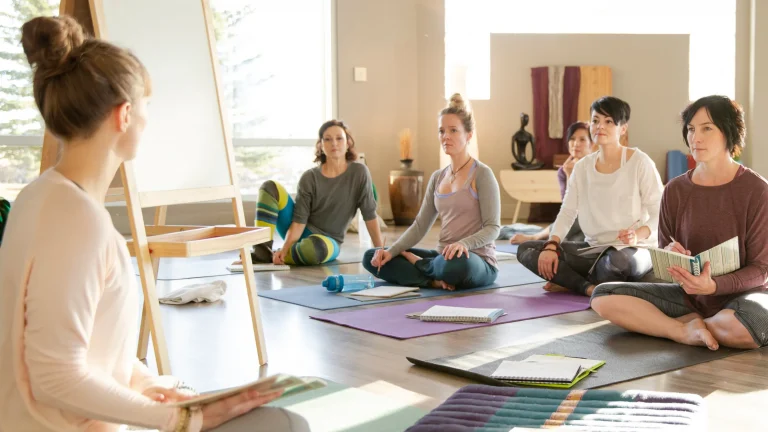
Il y a aussi une dimension sociologique à ne pas négliger. L'énergie collective d'un atelier offre une forme de régulation sociale qui fait défaut au travail somatique solitaire.
++ Pratiquer le yoga à la maison pour une récupération active après l'entraînement
Sentir sa respiration se synchroniser avec celle d'une pièce remplie de monde peut être un puissant remède à l'isolement causé par l'anxiété. Si vous recherchez un cadre structuré et un sentiment de progrès concret, la voie traditionnelle offre un plan d'action clair.
Comparaison : Yoga somatique vs Yoga traditionnel
| Fonctionnalité | Yoga somatique | Yoga traditionnel (Hatha/Vinyasa) |
| Objectif principal | Conscience sensorielle interne | alignement physique et force |
| Style de mouvement | Exploratoire et non linéaire | Des poses structurées et répétitives |
| Concentration mentale | Intéroception (sensation interne) | Concentration et discipline |
| Rythme | Glaciaire et réparatrice | Intensité modérée à élevée |
| Impact de l'anxiété | Recâblage neurologique | Soulagement immédiat du stress par la respiration |
Quelle pratique permet de soulager plus rapidement les symptômes de la crise de panique ?
En proie à une panique aiguë, un alignement complexe peut sembler une tâche impossible. Yoga somatique vs yoga traditionnel Les deux présentent des avantages à long terme, mais l“” ancrage » somatique l’emporte généralement en cas de crise.
Des gestes simples, comme scruter lentement son environnement ou sentir la texture précise du tapis sous ses paumes, peuvent interrompre une crise de réaction de combat ou de fuite.
Ces micromouvements ne requièrent quasiment aucune condition physique, ce qui les rend accessibles même lorsque votre énergie est complètement épuisée par une crise de panique.
En savoir plus: Pratiquer le yoga à la maison pour une meilleure santé de la colonne vertébrale et une meilleure correction de la posture
Ils agissent comme un disjoncteur neurologique, ramenant l'esprit d'un futur hypothétique au présent physique.
À l'inverse, le yoga traditionnel agit comme une mesure préventive à long terme. Il renforce la résilience du système nerveux, le protégeant ainsi des tensions quotidiennes et réduisant les risques de surmenage. C'est comme comparer un frein à main à un moteur bien entretenu.
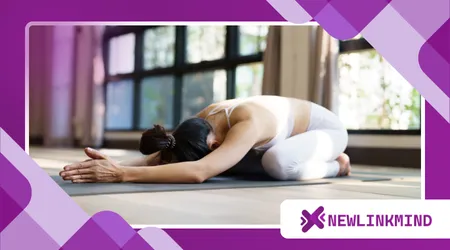
Comment combiner au mieux les deux styles ? Yoga somatique vs yoga traditionnel
En réalité, vous n'êtes pas obligé de choisir une voie en particulier. Intégrer la conscience somatique à une pratique traditionnelle permet de disposer d'une boîte à outils sophistiquée et holistique pour le bien-être mental.
Vous pourriez commencer une séance par dix minutes de travail somatique au sol pour faire le vide dans votre esprit avant de passer aux postures debout.
++ Méditation matinale pour développer une neutralité émotionnelle dès le matin
Cette préparation vous permet de vous engager dans les traditions Asana Par une curiosité authentique plutôt que par un effort forcé. Vous cessez de “ jouer ” la posture et commencez à l’habiter.
Terminer une séance par un Savasana somatique — où l'on prend conscience du poids de ses os plutôt que de simplement rester immobile — amplifie l'effet réparateur.
En fin de compte, la pratique la plus efficace est celle qui ressemble à une conversation plutôt qu'à une corvée.
Que vous ayez besoin de l'énergie d'un flow ou du calme d'une libération somatique, l'objectif est le même : retrouver un corps qui soit un refuge sûr.
Pour ceux qui s'intéressent aux applications cliniques de ces mouvements, Association internationale des thérapeutes de yoga propose des ressources exhaustives sur le fonctionnement du yoga en tant que pratique de santé complémentaire sophistiquée.
FAQ
Le yoga somatique est-il plus efficace contre le syndrome de stress post-traumatique ?
Les spécialistes des traumatismes privilégient souvent l'approche somatique car elle est exempte du préjugé “ pas de douleur, pas de résultat ” que l'on retrouve dans certains milieux du fitness. Elle permet au praticien de se réapproprier son corps à un rythme qui ne provoque ni sentiment de surcharge ni d'intrusion.
Puis-je pratiquer le yoga somatique si ma mobilité est réduite ?
Absolument. Les mouvements somatiques se pratiquent souvent en position couchée ou assise. Puisque l'objectif est la sensation interne plutôt que l'amplitude des mouvements externes, c'est une pratique particulièrement adaptée aux personnes souffrant de douleurs chroniques ou de limitations physiques.
À quelle fréquence dois-je m'entraîner pour gérer mon anxiété ?
La régularité l'emporte toujours sur l'intensité. Dix minutes d'ancrage somatique chaque matin sont bien plus efficaces pour la régulation à long terme du système nerveux qu'un cours intensif de 90 minutes une fois par semaine.
Le yoga traditionnel exige-t-il de la souplesse ?
La souplesse est un effet secondaire, pas une condition nécessaire. Le yoga moderne utilise des blocs, des sangles et des coussins pour que la pratique s'adapte à votre corps tel qu'il est aujourd'hui, et non tel que vous pensez qu'il devrait être.
++ Différence entre le yoga somatique et le yoga traditionnel