publicités
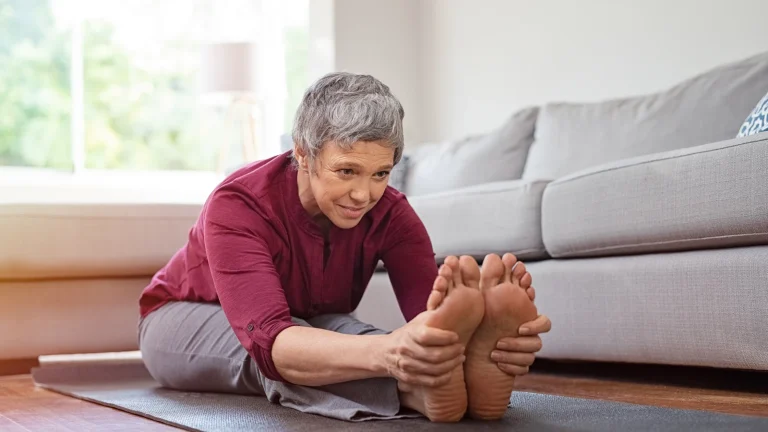
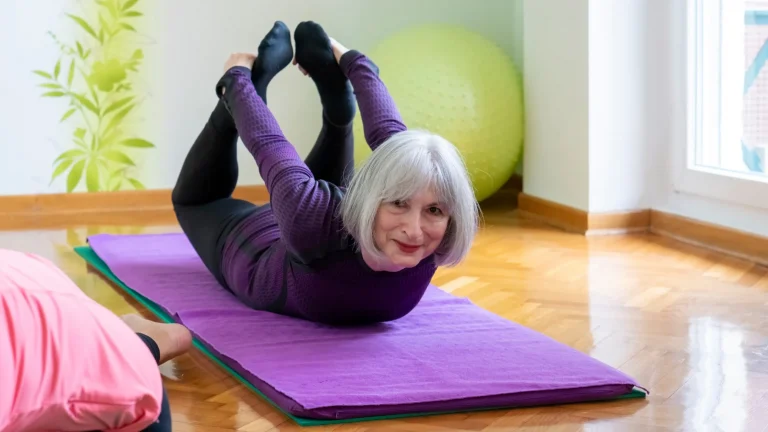
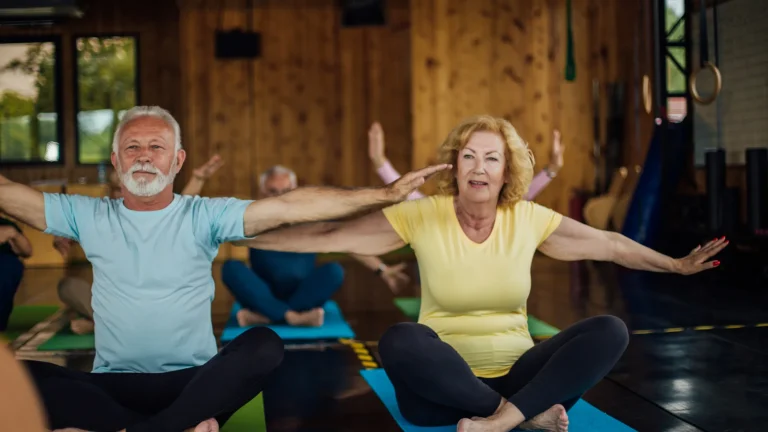
Bien vieillir ne signifie pas ralentir, mais bouger plus intelligemment. Avec l'évolution des besoins en mobilité, il devient essentiel de trouver une activité physique qui préserve la santé des articulations, améliore l'équilibre et réduit le stress.
Comprendre le Les meilleurs styles de yoga pour les seniors peut vous aider à adapter votre routine à votre niveau de forme physique actuel et à vos objectifs de bien-être.
Le yoga offre une approche adaptable pour une santé durable, que vous souhaitiez soulager vos articulations raides ou améliorer votre stabilité fonctionnelle. Les pratiques actuelles privilégient la sécurité, l'alignement articulaire et une vitalité durable.
Points clés à retenir
- Yoga sur chaise : Idéal pour les débutants, les personnes à mobilité réduite ou celles en convalescence.
- Yin et yoga réparateur : Idéal pour une hydratation articulaire en profondeur, la réduction du stress et la clarté mentale.
- Yoga Iyengar : Excellent pour la rééducation, l'alignement et l'équilibre avec utilisation d'accessoires.
- Viniyoga : Propose une approche thérapeutique hautement personnalisée, centrée sur le mouvement synchronisé à la respiration.
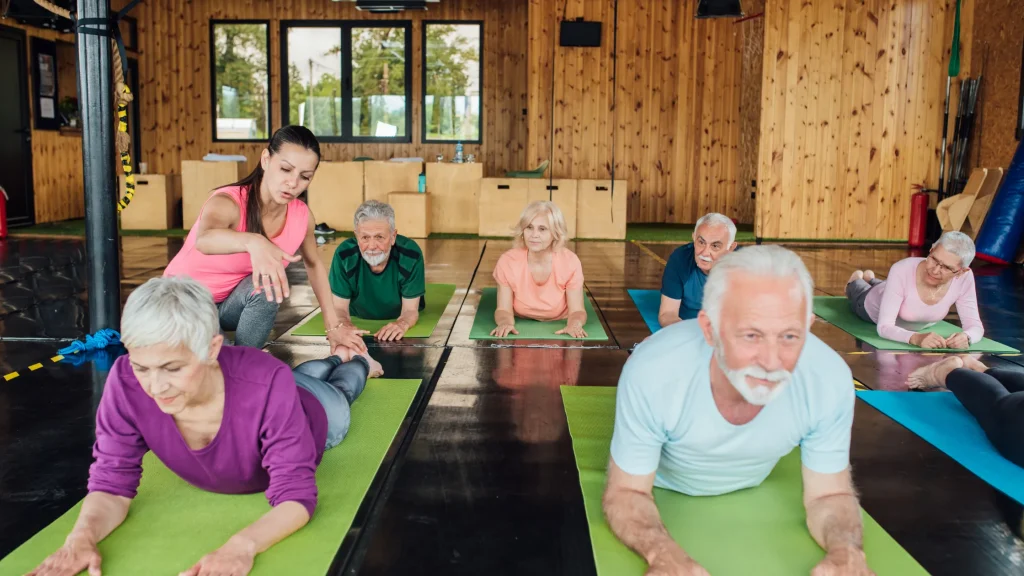
Pourquoi les personnes âgées devraient-elles pratiquer le yoga en 2026 ?
Le consensus médical moderne continue de souligner les bienfaits des mouvements à faible impact et au poids du corps.
Selon une étude publiée par le Centre national pour la santé complémentaire et intégrative, la pratique régulière du yoga réduit efficacement les douleurs lombaires chroniques, améliore la mobilité fonctionnelle et favorise le bien-être émotionnel des personnes âgées.
Le yoga agit comme une médecine fonctionnelle pour votre système musculo-squelettique. Contrairement aux exercices à fort impact qui sollicitent excessivement le cartilage, les enchaînements doux du yoga renforcent les muscles tout en améliorant la circulation sanguine dans les tissus conjonctifs.
La pratique régulière permet de répondre directement aux difficultés courantes liées à l'âge :
Prévention des chutes : Maintenir des postures debout régulières entraîne votre proprioception, c'est-à-dire la capacité du cerveau à percevoir la position du corps dans l'espace.
Longévité des articulations : Les mouvements contrôlés stimulent la production de liquide synovial, lubrifiant ainsi les genoux, les hanches et les épaules raides.
Acuité cognitive : L'association du contrôle de la respiration à des schémas de mouvement spécifiques stimule la plasticité neuronale et la concentration.
Quels sont les meilleurs styles de yoga pour les seniors ?
Le choix du cabinet médical approprié dépend de votre état de santé initial, de vos antécédents médicaux et de vos objectifs personnels.
Vous trouverez ci-dessous les quatre styles les plus efficaces et éprouvés, adaptés aux praticiens plus âgés.
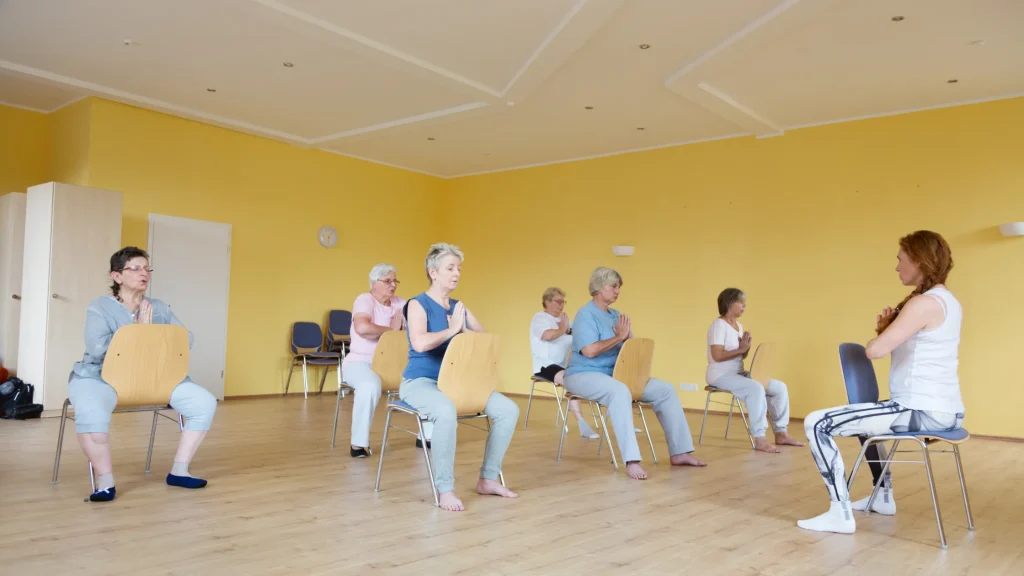
1. Yoga sur chaise : Accessibilité et sécurité maximales
Le yoga sur chaise élimine la difficulté de se lever et de s'asseoir au sol. Les instructeurs adaptent les postures traditionnelles pour que vous puissiez les réaliser assis ou en vous appuyant sur une chaise stable pour garder l'équilibre.
Ce style permet des étirements dynamiques du haut du corps et une stabilisation du tronc sans exercer de pression excessive sur les genoux ou les poignets.
Il constitue un point d'entrée idéal si vous souffrez d'arthrite sévère, de neuropathie ou de problèmes d'équilibre de l'oreille interne.
++ Yoga pour les seniors qui souhaitent plus d'équilibre et de stabilité
2. Hatha Yoga doux et Yoga Iyengar : Précision et équilibre
Le hatha yoga se concentre sur des postures statiques et lentes, associées à une conscience de la respiration.
Le yoga Iyengar va encore plus loin en mettant l'accent sur un alignement anatomique précis grâce à une utilisation intensive d'accessoires, tels que des blocs, des sangles et des fixations murales.
Ces styles permettent de développer la densité osseuse grâce à des postures statiques en charge, tout en assurant un soutien sûr de la colonne vertébrale.
Vous avez suffisamment de temps pour vous installer dans chaque posture, ce qui réduit le risque d'étirement excessif.
3. Yin et yoga restauratif : libération et récupération profondes
Alors que les styles actifs se concentrent sur le tonus musculaire, le Yin yoga cible les fascias profonds, les ligaments et les tendons.
Les postures sont maintenues passivement pendant trois à cinq minutes, permettant ainsi aux tissus raides de s'étirer en toute sécurité.
En savoir plus: Comment les seniors peuvent commencer le yoga à la maison en toute confiance
Le yoga réparateur utilise des traversins et des couvertures pour soutenir entièrement le poids du corps, induisant une relaxation profonde.
Ces deux pratiques contribuent à calmer le système nerveux sympathique, à réduire l'inflammation systémique et à améliorer la qualité du sommeil.
4. Viniyoga : mouvement thérapeutique sur mesure
Le Viniyoga privilégie la fonction à la forme. Les instructeurs adaptent les postures à votre anatomie unique plutôt que de contraindre votre corps à une forme rigide.
Le mouvement est strictement synchronisé avec l'inspiration et l'expiration.
++ Réduisez les répercussions mentales après le travail grâce à la méditation au travail
Cette approche rythmique réduit la pression exercée sur les disques intervertébraux, faisant du Viniyoga un choix privilégié pour les personnes souffrant de douleurs dorsales chroniques ou en convalescence après une arthroplastie.
Comment se comparent ces différents styles de yoga pour seniors ?
Le tableau dynamique ci-dessous détaille comment chaque style correspond à différents besoins en matière de remise en forme :
| Style de yoga | Niveau de mobilité requis | Avantage physique principal | Utilisation recommandée des accessoires |
| Yoga sur chaise | Faible à modéré | Équilibre en position assise et flexibilité de la colonne vertébrale | Chaise, bandes de résistance légères |
| Hatha doux / Iyengar | Modéré | Densité osseuse et alignement postural | blocs de yoga, sangles, support mural |
| Yin et réparateur | De faible à élevé | Hydratation articulaire et soulagement du stress | Coussins traversins, couvertures lestées, blocs |
| Viniyoga | Flexible / Adapté | Gestion de la douleur et santé de la colonne vertébrale | Sangles, coussins, chaises modifiées |
Comment les seniors peuvent-ils débuter une pratique de yoga en toute sécurité ?
Entamer une nouvelle routine physique exige une approche réfléchie et proactive. La protection de vos articulations et de votre colonne vertébrale est primordiale.
[Consulter un médecin] ➔ [Choisir un instructeur qualifié] ➔ [Se munir du matériel nécessaire] ➔ [Commencer doucement et progressivement]
Consultez votre professionnel de la santé
Avant votre premier cours, parlez-en à votre médecin traitant ou à votre physiothérapeute. Signalez-lui tout antécédent d'ostéoporose, de prothèse articulaire ou de problèmes de disques intervertébraux.
Demandez précisément quels mouvements vous devez éviter, comme les flexions avant profondes ou les mouvements de torsion brusques.
Trouver un professeur expérimenté
Recherchez des instructeurs possédant des certifications spécifiques en yoga pour seniors ou en yoga thérapeutique (C-IAYT). Les professeurs expérimentés proposent des adaptations immédiates et veillent à ce que vos mouvements restent dans les limites anatomiques de votre corps.
Investissez dans les accessoires de maison essentiels
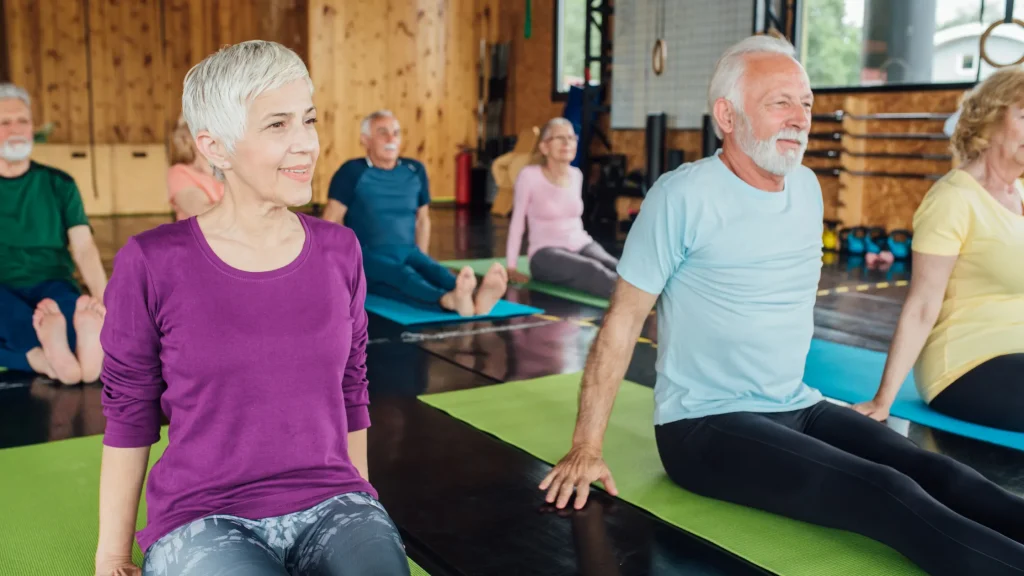
Des accessoires de qualité transforment les postures difficiles en étirements sûrs et réparateurs. Acquérir les bases suivantes :
- Blocs de mousse haute densité pour rapprocher le sol de vos mains.
- Un tapis de yoga antidérapant pour éviter de glisser lors des postures debout.
- Une sangle de yoga en coton tissé pour étendre vos bras confortablement sans forcer sur votre cou ni votre dos.
La communauté médicale à Harvard Health Publishing Il est à noter que la modification des postures à l'aide d'accessoires permet aux personnes âgées de bénéficier pleinement des avantages biomécaniques tout en minimisant les risques de blessure.
Foire aux questions
Peut-on pratiquer le yoga en cas d'arthrite sévère ?
Oui. Les pratiques de yoga douces, comme le yoga sur chaise ou le yoga restauratif, contribuent à maintenir la mobilité articulaire sans aggraver l'inflammation. Signalez toujours à votre professeur toute poussée inflammatoire afin qu'il puisse adapter vos postures.
À quelle fréquence les personnes âgées doivent-elles pratiquer le yoga pour en constater les résultats ?
Pratiquer deux à trois fois par semaine permet de constater des améliorations notables de l'équilibre, de la flexibilité et de l'humeur en quatre à six semaines.
De courtes séances quotidiennes de 20 minutes, régulières, sont souvent plus bénéfiques qu'un long cours hebdomadaire.
La pratique du yoga est-elle sans danger après une arthroplastie totale de la hanche ou du genou ?
Le yoga peut être pratiqué en toute sécurité et avec succès après une rééducation, à condition que votre chirurgien vous ait donné le feu vert pour la reprise des mouvements. Évitez les rotations profondes des hanches et les flexions avant extrêmes, et travaillez en étroite collaboration avec un professeur de yoga certifié.
Que doivent porter les seniors pour leur premier cours de yoga ?
Portez des vêtements confortables et respirants qui permettent une liberté de mouvement totale.
Privilégiez les hauts ajustés aux tissus amples pour éviter que vos vêtements ne vous fassent trébucher, et entraînez-vous pieds nus ou avec des chaussettes antidérapantes pour une meilleure adhérence.
++ Les 15 meilleures postures de yoga pour débutants seniors
++ Yoga sur chaise pour les seniors de plus de 60 ans (2026)