publicités
L'un des moyens les plus efficaces de réduire le bruit mental et la rumination c'est grâce à des pratiques de méditation guidées et régulières, adaptées spécifiquement aux besoins cognitifs des personnes âgées.
Table des matières
- L'origine du désordre cognitif
- Qu’est-ce que le bruit mental et pourquoi cible-t-il les personnes âgées ?
- Comment la méditation modifie-t-elle le cerveau des personnes âgées ?
- Preuves scientifiques : Données sur la pleine conscience et le vieillissement
- Quelles techniques de méditation sont les plus efficaces pour les personnes qui ont tendance à trop réfléchir ?
- Mise en œuvre d'une pratique quotidienne durable
- Foire aux questions (FAQ)
Qu’est-ce que le bruit mental et pourquoi cible-t-il les personnes âgées ?
Le terme “ bruit mental ” désigne le flux constant de pensées intrusives et de dialogue intérieur qui nous empêche souvent de rester présents.
Alors que beaucoup supposent que ce blocage cognitif commence avec l'âge, il s'installe en réalité bien plus tôt.
Les données neurologiques suggèrent que les germes de la rumination chronique apparaissent souvent entre 45 et 55 ans. C'est à ce moment que le réseau du mode par défaut du cerveau commence à dominer notre état de repos, entraînant souvent un “ bourdonnement de fond ” d'anxiété.
Chez les personnes de plus de 65 ans, ces pensées parasites portent souvent sur la santé, l'héritage ou les regrets du passé. Il s'agit d'un processus psychologique appelé rumination cognitive improductive, qui peut s'avérer très étouffant si on ne s'en occupe pas.
La retraite fait souvent disparaître les structures extérieures qui occupaient auparavant l'esprit. Ce vide est fréquemment comblé par des scénarios angoissants du type “ et si ”, ce qui rend plus difficile de… réduire le bruit mental et la rumination sans intervention intentionnelle et structurée.
Il est essentiel de comprendre qu'il s'agit d'un changement biologique, et non d'une faiblesse personnelle. C'est une particularité de l'évolution : l'esprit tente de “ résoudre ” des problèmes qui n'existent plus, ce qui nous oblige à retrouver activement notre paix intérieure.
Comment la méditation modifie-t-elle le cerveau des personnes âgées ?
La neuroplasticité ne s'arrête pas à soixante ans ; en réalité, le cerveau vieillissant conserve une capacité remarquable à former de nouvelles connexions neuronales grâce à la pratique régulière de la pleine conscience et de la méditation. C'est comme un muscle qui a simplement besoin d'un meilleur entraînement.
Des études récentes indiquent que la méditation renforce le cortex préfrontal – la zone responsable des fonctions exécutives – tout en apaisant l'amygdale. Cela permet au cerveau de passer d'un état réactif à un état plus observateur et stable.
En pratiquant l'immobilité, les personnes âgées peuvent efficacement réduire le bruit mental et la rumination En entraînant l'esprit à considérer les pensées comme des nuages passagers plutôt que comme des vérités absolues, on fait taire la voix critique intérieure.
Ce changement permet une réduction significative du taux de cortisol. Diminuer les hormones du stress est essentiel au maintien d'une bonne santé cardiovasculaire et d'un système immunitaire robuste durant les années de vieillesse, période où l'inflammation représente un risque constant.
La pratique régulière favorise une “ conscience témoin ”. On apprend à se détacher du cercle vicieux de l'anxiété, ce qui améliore la qualité du sommeil et permet d'atteindre un niveau de régulation émotionnelle qui s'apparente à un super-pouvoir nouvellement découvert.
Preuves scientifiques : Données sur la pleine conscience et le vieillissement
L'impact de la pleine conscience sur les personnes âgées est largement documenté par les principales institutions de santé, qui démontrent une corrélation directe entre la méditation et le maintien des fonctions cognitives. Il ne s'agit pas simplement de “ se sentir calme ”, mais de préserver ses fonctions biologiques.
Les données de 2026 suggèrent que même de brèves séances quotidiennes peuvent atténuer l'amincissement du cortex cérébral lié à l'âge.
++ Méditation pour les seniors afin d'améliorer l'intéroception et le calme
Nous ne nous contentons pas de ralentir le déclin ; nous protégeons activement le tissu cérébral de l'érosion causée par le stress.
| Catégorie de prestations | Impact de la méditation (données de 2026) | Signification clinique |
| Niveaux de cortisol | Réduction moyenne de 18% | Réduction de l'inflammation systémique |
| Mémoire de travail | Amélioration 12% | Meilleure gestion des tâches |
| Latence du sommeil | Réduction de 22 minutes | Transition plus rapide vers le sommeil profond |
| Scores d'anxiété | 30% Diminution | Amélioration de la satisfaction générale dans la vie |
Pour ceux qui s'intéressent à des connaissances cliniques plus approfondies, Centre national pour la santé complémentaire et intégrative fournit des ressources exhaustives sur la manière dont ces pratiques influencent les marqueurs physiologiques du vieillissement.
Quelles techniques de méditation sont les plus efficaces pour les personnes qui ont tendance à trop réfléchir ?
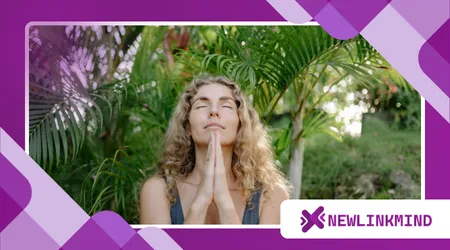
Tous les styles de méditation ne se valent pas, surtout lorsque l'objectif principal est de réduire le bruit mental et la rumination Au milieu des transitions de la vie, certaines méthodes sont tout simplement plus efficaces pour dissiper le brouillard.
La réduction du stress basée sur la pleine conscience (MBSR) est une méthode de référence. Elle utilise des scans corporels et la conscience de la respiration pour ancrer le pratiquant dans la réalité physique du moment présent, détournant ainsi son esprit des regrets passés.
La méditation de bienveillance (Metta) est également très efficace. Elle remplace les ruminations autocritiques par des affirmations positives, ce qui est particulièrement bénéfique pour les personnes âgées confrontées à l'isolement ou au sentiment d'“ invisibilité ” qui accompagne parfois le vieillissement.
En savoir plus: Méditation pour les aidants familiaux et le soutien émotionnel des personnes âgées
Les techniques de visualisation peuvent aider à recentrer un esprit vagabond en lui offrant un point d'ancrage précis et apaisant. Imaginez un paysage paisible : c'est une façon de donner une occupation à un esprit hyperactif.
La méditation en marchant est une excellente alternative pour les personnes souffrant d'agitation physique. Elle allie les bienfaits cognitifs de la pleine conscience aux avantages physiques d'une activité douce, aidant ainsi à ancrer l'esprit par la plante des pieds.
Pourquoi la respiration consciente est-elle le secret pour apaiser l'esprit ?
La respiration est un outil portable qui communique directement avec le système nerveux. C'est la seule partie du système nerveux autonome que nous pouvons contrôler consciemment pour signaler la sécurité à nos cellules.
La respiration carrée ou les techniques diaphragmatiques offrent un “ frein ” physiologique immédiat au flot incessant de pensées répétitives. Difficile pour l'esprit de s'emballer lorsque le corps respire profondément et de façon rythmée.
Lorsque les personnes âgées se concentrent sur la sensation de l'air entrant et sortant du corps, elles y parviennent efficacement. réduire le bruit mental et la rumination En privant les pensées intrusives de leur carburant. Le silence devient une sensation tangible, physique.
Cette concentration rythmique interrompt le cercle vicieux du stress, permettant ainsi au rythme cardiaque de se stabiliser. L'esprit s'apaise dans un état d'observation calme, où les pensées ne sont plus des ennemies, mais simplement un bruit de fond.
++ Yoga pour les seniors atteints de neuropathie : exercices doux de conscience corporelle.
Intégrer des exercices de respiration dans sa routine quotidienne, par exemple en buvant son café le matin, permet d'en prolonger les bienfaits bien au-delà de la simple pratique. Il s'agit de construire un havre de calme qui vous accompagne tout au long de l'après-midi.
Quel est le meilleur moment pour les seniors de pratiquer ?
Instaurer une routine est primordial, car le cerveau a besoin de prévisibilité. Réserver un moment précis pour se vider la tête permet de maintenir cette habitude, même lorsque la motivation baisse inévitablement ou que la journée devient chargée.
Le petit matin est souvent idéal. Le monde est plus calme et l'esprit n'a pas encore entamé son agitation quotidienne. Cela instaure une atmosphère de sérénité qui vous protège des aléas de la journée.
Par ailleurs, pratiquer avant de se coucher est un moyen efficace de réduire le bruit mental et la rumination qui provoque l'insomnie. Cela signale au cerveau que la phase de “ résolution de problèmes ” est terminée et qu'il peut se reposer en toute sécurité.
De courtes séances de cinq minutes réparties tout au long de la journée peuvent être plus efficaces qu'une seule longue séance intimidante. Ces “ microdoses ” de présence renforcent l'habitude de se connecter à son état intérieur.
La régularité compte plus que la durée. Même quelques minutes de silence volontaire peuvent avoir un impact significatif sur votre humeur. C'est l'effet cumulatif de ces moments de bien-être qui engendre des changements neurologiques durables.
Comment surmonter les obstacles courants à la méditation chez les seniors ? Réduire le bruit mental et les ruminations
L'inconfort physique est un obstacle fréquent, mais la méditation ne nécessite pas de s'asseoir par terre dans une position contorsionnée. C'est une idée reçue répandue qui empêche beaucoup de personnes de se lancer dans cette pratique.
Utiliser une chaise confortable ou méditer en position allongée est tout à fait acceptable. L'objectif est de se concentrer sur l'esprit, et non de se soumettre à une épreuve d'endurance physique ou de supporter des douleurs articulaires inutiles.
Si votre esprit est trop agité pour rester immobile, accueillez vos pensées sans les juger. Ramenez doucement votre attention sur votre respiration, en répétant ce processus autant de fois que nécessaire ; ce “ retour ” constitue l’exercice lui-même.
La technologie peut être une précieuse alliée. De nombreuses applications proposent des séances guidées spécialement conçues pour les seniors, offrant un cadre rassurant. Parfois, entendre une voix calme est exactement ce dont un esprit agité a besoin.
Pour plus d'informations sur l'exercice physique adapté à l'âge et la santé mentale, le Institut national du vieillissement propose des guides complets sur le bien-être holistique des personnes âgées.
Repenser les années d'or
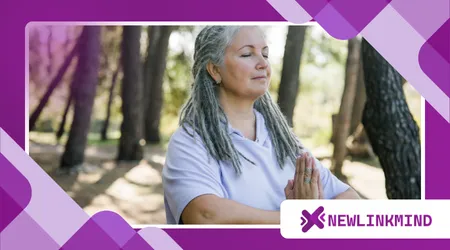
Le voyage vers réduire le bruit mental et la rumination C’est un acte profond de bienveillance envers soi-même. Il nous permet de vivre avec plus de présence et de joie, au lieu d’être prisonniers des échos du passé.
En adoptant des techniques de pleine conscience simples et en maintenant une routine régulière, la retraite peut devenir une période de paix intérieure sans précédent. Il s'agit de trouver l'espace entre les pensées.
La méditation ne consiste pas à faire le vide dans son esprit ; il s’agit de transformer son rapport au tumulte intérieur. Lorsqu’on cesse de lutter contre les pensées, elles perdent de leur emprise, laissant place à une clarté naturelle et paisible.
Foire aux questions
La méditation peut-elle aider à lutter contre les pertes de mémoire chez les personnes âgées ?
Bien qu'il ne s'agisse pas d'un remède contre la démence clinique, il améliore la concentration et la mémoire de travail. En réduisant les hormones du stress, il dissipe le “ brouillard mental ” qui rend souvent la mémorisation difficile ou laborieuse.
Combien de temps faut-il pour voir des résultats ?
La plupart des pratiquants constatent une réduction du stress et un meilleur équilibre émotionnel après deux à quatre semaines de séances quotidiennes. Le cerveau a besoin de temps pour s'adapter physiquement à cette nouvelle habitude.
La méditation est-elle une pratique religieuse ?
Bien qu'elle ait des racines spirituelles, la pleine conscience moderne est un exercice mental laïque et fondé sur des preuves. Elle se concentre entièrement sur la santé psychologique, la réduction du stress et le maintien des facultés cognitives avec l'âge.
Ai-je besoin d'équipement spécial pour commencer ?
Aucun équipement n'est nécessaire. Il vous suffit d'un endroit calme et d'une chaise confortable. Votre principal outil est votre respiration, toujours accessible et totalement gratuite.
Et si je n'arrivais pas à arrêter mes pensées ?
Le but n'est pas d'arrêter les pensées, mais de cesser de les poursuivre. Lorsqu'une pensée surgit, il suffit de l'identifier comme “ pensée ” et de revenir à sa respiration. À chaque fois que vous revenez à votre respiration, vous progressez.
++ Vieillir en pleine conscience : techniques de méditation et de gestion du stress pour les seniors