advertisements
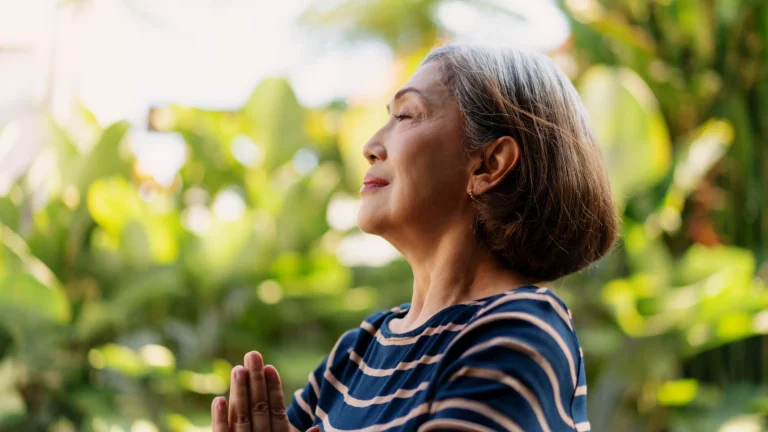
When you explore flexible routines with meditation for seniors, you quickly realize that you don’t need to sit cross-legged on the floor for an hour in complete silence to see real benefits.
Many older adults abandon mindfulness practices early on because a rigid schedule creates unnecessary stress rather than relief.
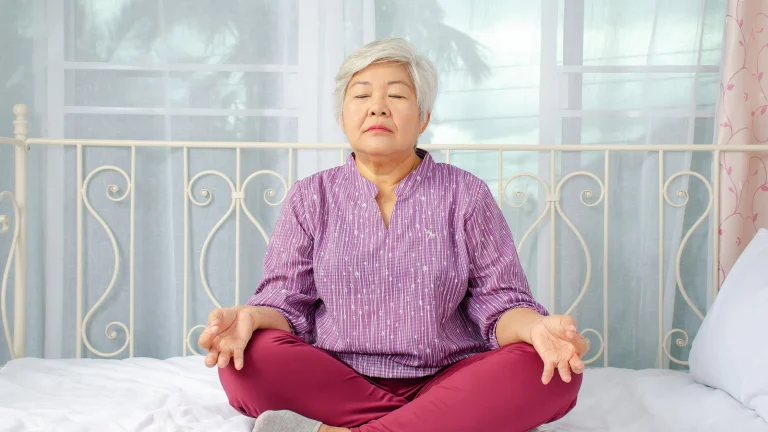
In reality, short, adaptable sessions practiced from a favorite armchair or bed can easily support emotional balance, sharper focus, and physical relaxation right at home.
Aging brings shifting energy levels, medical appointments, and changing sleep patterns. A strict daily wellness schedule rarely survives real life.
By building a customizable home practice around your natural rhythm, you can make mindfulness an effortless, restorative part of every day.
Key Takeaways
- Duration is flexible: Five to ten minutes of focused breathing provides meaningful stress relief and is easier to maintain than lengthy sessions.
- Comfort comes first: You can meditate effectively in a supportive chair, recliner, or bed without straining your back, hips, or knees.
- Adaptability prevents burnout: Matching different meditation styles—such as body scans, guided audio, or gentle walking—to your daily energy level keeps the habit sustainable.
- Consistency beats perfection: Pairing short mindfulness moments with existing daily habits like morning coffee or bedtime helps anchor your routine without rigid rules.
Why Does a Flexible Home Meditation Routine Work Best for Older Adults?
Traditional meditation advice often overlooks the physical realities of aging, such as joint stiffness, chronic pain, or afternoon fatigue.
When a routine feels uncomfortable or overly demanding, it quickly becomes another chore on your to-do list.
According to the National Center for Complementary and Integrative Health (NCCIH), meditation and mindfulness practices can help reduce stress, anxiety, and symptoms of depression, while also supporting better sleep and pain management.
Crucially, these benefits stem from regular, gentle engagement rather than extreme duration or difficult physical postures.
Practicing at home eliminates transportation barriers and allows you to control your environment.
You can adjust room temperature, lighting, and seating support to match exactly how your body feels on any given morning or evening.
If you wake up feeling energetic, you might enjoy a ten-minute guided visualization. If you feel tired or achy, a three-minute breathing pause in bed still counts as a complete, successful practice.
Which Types of Meditation Are Easiest to Practice at Home?
Choosing the right technique depends on your physical comfort, hearing or vision preferences, and mental focus on a particular day.
++ Build Meaningful Rituals Through Meditation for Seniors Daily Practice
Rotating between a few simple methods keeps your daily routine engaging and accessible.
Seated Breath Awareness
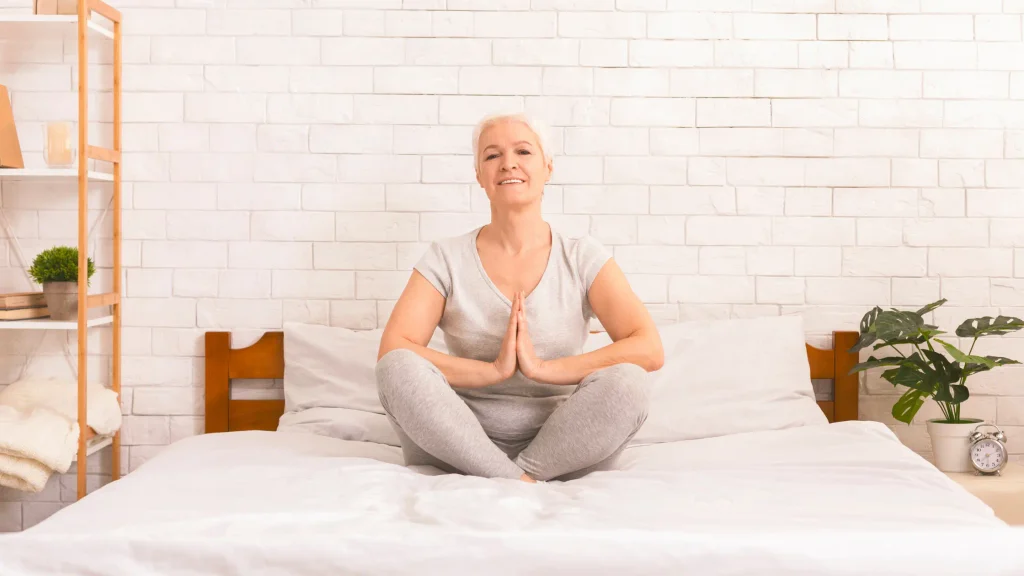
Breath awareness requires no equipment, apps, or special preparation. You simply sit comfortably with your feet flat on the floor and pay attention to the natural rhythm of your inhales and exhales.
Read more: Adapt Practice Lengths for Meditation for Seniors With Ease at Home
When your mind wanders to household tasks or worries, you gently return your attention to the sensation of breathing.
Guided Audio Meditation
Listening to a calm instructor walk you through a session removes the guesswork of what to think about.
Free recordings and senior-friendly apps offer specific themes, such as gratitude, patience, or easing tension.
++ Challenge Lower-Body Power With Yoga for Seniors Without Weights
Using headphones can also help if you have mild hearing loss or background household noise.
Progressive Body Scan
A body scan involves slowly directing your attention from the top of your head down to your toes, noticing areas of tightness and allowing them to soften.
This method is particularly helpful if you deal with arthritis or muscle stiffness, as it encourages relaxation without requiring physical movement.
Mindful Walking or Chair Movement
If sitting still makes you restless, movement-based meditation offers an active alternative. You can walk slowly down a hallway, paying close attention to the feeling of each foot lifting and touching the floor.
For limited mobility, gentle seated shoulder rolls or hand stretches paired with slow breathing achieve the same grounding effect.

How Can You Match Meditation Styles to Your Daily Energy Levels?
Because energy and comfort fluctuate throughout the day, having a simple menu of options makes it much easier to stay consistent. Use the guide below to choose a practice that fits your current state.
| Time of Day or Energy Level | Recommended Technique | Suggested Duration | Primary Benefit |
| Morning (Alert and Rested) | Seated Breath Awareness or Gratitude Reflection | 5 to 10 minutes | Sets a calm, focused tone for the day ahead |
| Midday (Mentally Scattered) | Guided Audio Meditation | 5 to 15 minutes | Reduces overwhelm and refreshes mental clarity |
| Afternoon (Stiff or Fatigued) | Slow Hallway Walking or Seated Stretches | 3 to 5 minutes | Eases physical restlessness without exhaustion |
| Evening (Preparing for Sleep) | Reclined Body Scan | 10 to 15 minutes | Releases muscle tension and quiets racing thoughts |
How Do You Build a Sustainable Daily Meditation Habit Without Rigid Rules?
The most reliable way to maintain a home practice is to weave it into routines you already perform automatically.
Behavioral researchers often call this habit stacking, and it works especially well because it relies on existing cues rather than willpower.
Choose a supportive spot: Pick a sturdy armchair, sofa corner, or bedside spot with good back support. Keep a light blanket or lumbar pillow nearby so you never feel cold or strained.
Anchor practice to a daily cue: Attach your meditation to a reliable daily event.
For example, practice three minutes of slow breathing right after pouring your morning coffee, before turning on the television, or immediately after brushing your teeth at night.
Start smaller than you think necessary: Begin with just three to five minutes a day for your first two weeks. Once the habit feels natural, you can extend your sessions whenever you want.
Use gentle reminders: Set a soft chime on your phone or kitchen timer so you do not have to watch the clock during your session.
Drop all-or-nothing thinking: Missing a morning session does not ruin your day. You can always take sixty seconds of quiet breathing while waiting for tea to steep or before an afternoon nap.
What Safety Tips Should Seniors Keep in Mind When Starting Meditation?
Meditation is widely considered safe for healthy older adults, though a few practical adjustments ensure comfort and well-being.
The National Institute on Aging (NIA) notes that stress management techniques like mindfulness and deep breathing are valuable tools for healthy aging, especially when tailored to individual physical needs.
Keep these safety considerations in mind as you begin:
Prevent dizziness: Avoid overly deep, rapid breathing exercises, which can cause lightheadedness. Stick to slow, comfortable breaths that feel natural.
Protect balance during movement: If you practice walking meditation, choose a clear, well-lit indoor path free of throw rugs or clutter, and stay near a wall or sturdy furniture for support.
Respect emotional boundaries: Sitting quietly can occasionally bring up difficult memories or grief. If a silent session feels overwhelming, open your eyes, switch to a soothing guided audio track, or take a break.
Consult your healthcare provider: While meditation supports overall wellness, it should complement—not replace—medical care.
Speak with your doctor before starting new relaxation routines if you have severe respiratory conditions, vertigo, or unmanaged mental health concerns.
Ready to Begin Your Home Practice?
Building a lasting mindfulness habit does not require dramatic lifestyle changes or strict schedules.
When you explore flexible routines with meditation for seniors, the goal is simply to create small pockets of calm that adapt to your body and your day.
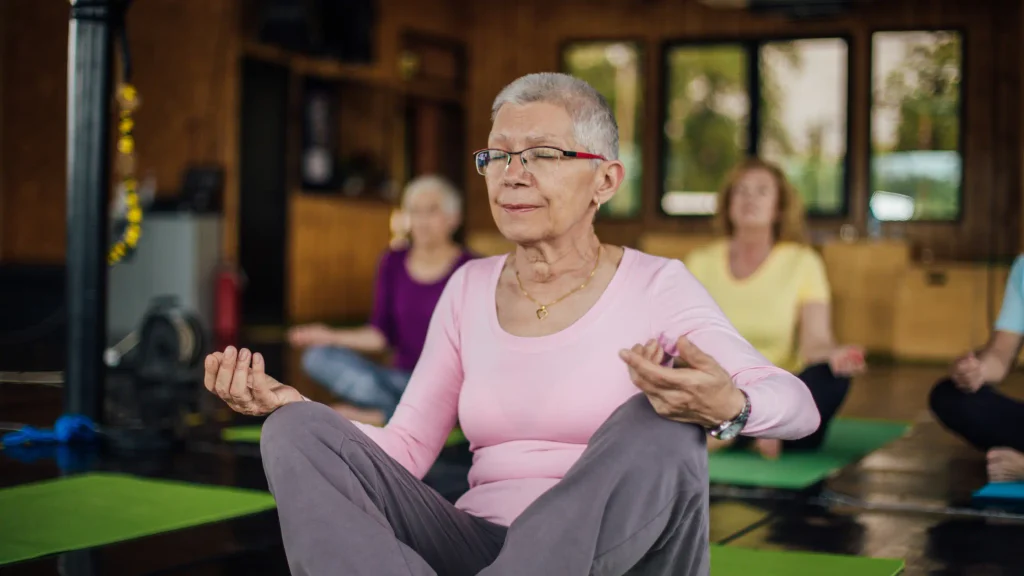
Start tomorrow morning by sitting comfortably in your favorite chair for just three minutes, focusing on the gentle rise and fall of your breath before starting your day.
Frequently Asked Questions
How long should a senior meditate each day to see benefits?
Five to ten minutes a day is enough to help lower stress and improve focus. Consistency matters far more than length, so practicing briefly every day works better than doing one long session once a week.
Is it okay to meditate lying down in bed?
Yes, meditating while lying in bed is completely fine, especially if you have back pain, fatigue, or mobility limitations.
If you tend to fall asleep unintentionally during daytime sessions, try propping yourself up slightly with pillows.
What if my mind keeps wandering during meditation?
A wandering mind is a normal part of meditation, not a sign of failure.
Each time you notice your thoughts drifting and gently bring your attention back to your breath or audio guide, you are actively strengthening your focus.
Do I need to buy special cushions or paid apps to meditate at home?
No, you do not need any paid subscriptions or special equipment.
A comfortable chair you already own and free guided audio sessions from reputable health organizations, public libraries, or community centers are all you need to start.
++ 6 mindfulness and meditation tips for seniors and older adults