anuncios
Try Slow Flow for Recovery Days to help your body repair, reduce muscle tension, and restore nervous system balance without adding unnecessary physical strain.
Active recovery is an essential component of any balanced fitness routine, yet high-intensity training often overshadows the need for gentle, restorative movement.
By combining deliberate posture transitions with conscious breathwork, a home-based slow flow yoga practice offers an accessible way to recover between tough workouts.
Conclusiones clave
- Active Muscle Repair: Gentle, low-impact movement increases circulation, helping deliver nutrients to fatigued muscle tissue.
- Reinicio del sistema nervioso: Slowing down movement and pairing it with extended exhalations shifts the body from a sympathetic (“fight or flight”) state into a parasympathetic (“rest and digest”) state.
- Convenience & Control: Practicing at home eliminates commute stress, allowing you to tailor the pace, duration, and props precisely to your body’s daily recovery needs.
- Mantenimiento de la movilidad: Holding poses longer and moving through gentle ranges of motion improves joint health and functional flexibility without causing muscle breakdown.
Understanding Slow Flow Yoga for Active Recovery
Active recovery involves engaging in low-intensity exercise on non-training days or following heavy workout sessions.
Unlike passive rest, which involves complete inactivity, active recovery promotes blood flow, aids in the clearance of metabolic waste, and keeps joints supple.
Slow flow yoga is a style of vinyasa yoga characterized by deliberate, mindful movements.
Poses are held longer than in a traditional fast-paced class, and transitions between shapes are executed with control and intention.
Rather than focusing on building cardiovascular stamina or strength, slow flow emphasizes alignment, sensory awareness, and gentle tissue elongation.
When used as a recovery tool, slow flow minimizes stress on joints and connective tissue while encouraging full-body circulation.
The Role of Breathwork in Physical and Mental Recovery
Breathwork—or pranayama—is the engine that drives effective recovery in slow flow yoga.
Physical exertion from weightlifting, running, or high-intensity interval training (HIIT) elevates cortisol and keeps the sympathetic nervous system dominant.
To recover efficiently, the body must transition into parasympathetic dominance.
Controlled breathing techniques directly influence autonomic nervous system regulation:
Respiración diafragmática: Deep belly breathing stimulates the vagus nerve, which lowers heart rate and reduces blood pressure.
++ Crea sesiones más largas al estilo de un estudio con yoga en casa.
Extended Exhalations: Structuring the breath so the exhalation is longer than the inhalation (such as a 4-second inhale and 6-second exhale) signals safety to the brain, releasing muscular guarding and mental tension.
Box Breathing or Equal Breathing: Rhythmically balancing the breath stabilizes focus, mitigates anxiety, and improves respiratory efficiency.
Integrating conscious breathwork into your movement practice helps release chronic muscle guarding, allowing tissues to lengthen without triggering protective stretch reflexes.
Comparing Recovery Practices: Slow Flow vs. Restorative vs. Power Yoga
Selecting the right style of movement on recovery days depends on your overall training volume and energy levels.
Leer más: Recupera un peso saludable con yoga en casa a diario.
| Característica / Métrica | Slow Flow Yoga | Yoga restaurativo | Power / Fast Vinyasa Yoga |
| Objetivo principal | Active movement, gentle mobility, nervous system balance | Complete relaxation, passive tissue opening | Strength building, cardiovascular conditioning |
| Physical Intensity | Bajo a moderado | Very Low | De moderado a alto |
| Estilo de movimiento | Slow, fluid transitions with brief holds | Fully supported, static holds (5–20 mins) | Fast-paced, continuous flow |
| Prop Usage | Optional (blocks, strap) | Extensive (bolsters, blankets, blocks) | Mínimo |
| Mejor uso para | Post-workout soreness, general recovery days | Severe exhaustion, high mental stress | Primary training / conditioning days |
How to Set Up an Effective Yoga at Home Space for Recovery
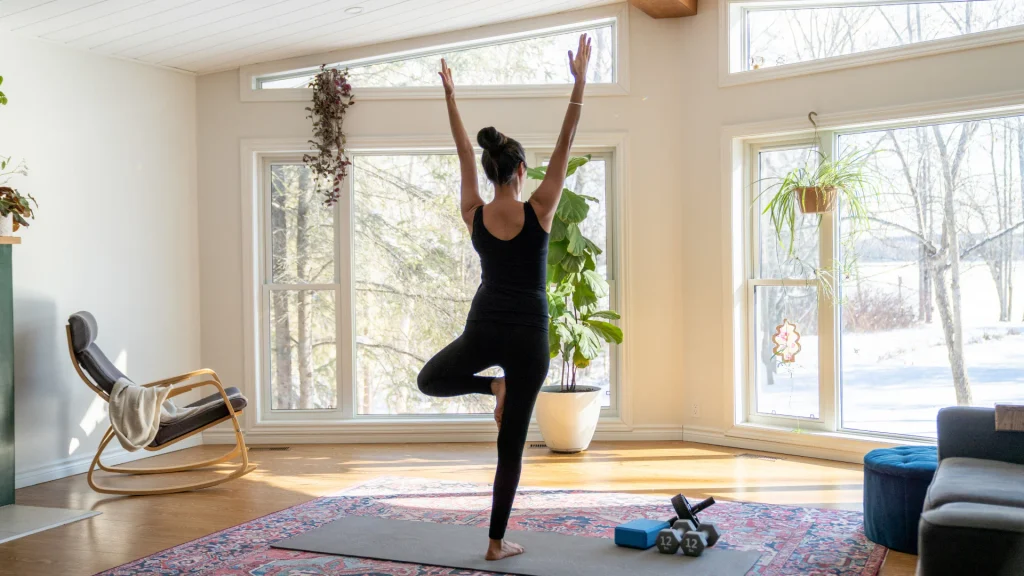
Creating a functional space at home removes friction and creates a consistent recovery habit. You do not need a dedicated studio room; a quiet corner with a non-slip floor is sufficient.
Essential Equipment and Props
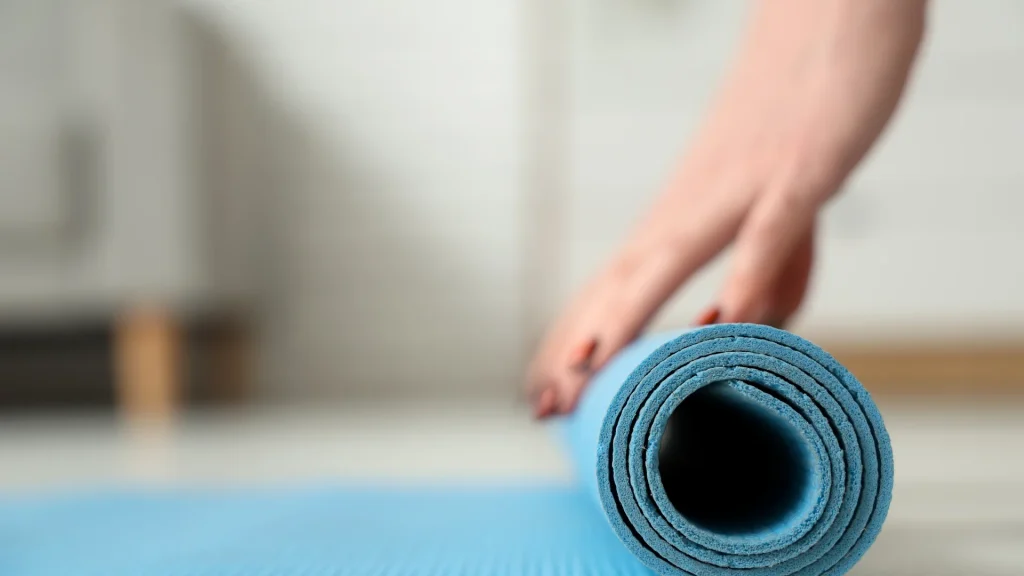
- Yoga Mat: A mat with adequate cushioning (5mm or thicker) protects joints during floor work.
- Yoga Blocks: Two foam or cork blocks bring the floor closer to you, reducing strain in hamstring or hip stretches.
- Strap or Belt: A yoga strap assists with hamstring and shoulder stretches without forcing poor posture.
- Blanket or Bolster: Folded blankets provide support under knees, hips, or neck to prevent unnecessary muscle contraction.
Environmental Factors
- Lighting: Keep lighting dim or use warm lamps rather than harsh overhead lights to encourage relaxation.
- Temperature: Ensure the room is comfortably warm so muscles do not contract from cold air.
- Distractions: Turn off phone notifications or leave your device in another room during your session.
A Simple 20-Minute Slow Flow & Breathwork Recovery Sequence
This straightforward, low-impact sequence can be practiced on any recovery day. Move slowly, sync your movement with your breath, and never force a range of motion.
++ Explora la repetición de mantras con meditación para personas mayores en casa.
Begin with centering and box breathing, transition into cat-cow stretches and child’s pose, then move through a low lunge with a gentle twist before completing the sequence with reclined bound angle and legs-up-the-wall pose.
1. Centering and Breathwork (3–5 Minutes)
Sit comfortably on a block or cushion. Close your eyes and establish diaphragmatic breathing.
Inhale through the nose for 4 counts, hold briefly, and exhale slowly through the mouth or nose for 6 counts.
Repeat for several cycles until you feel your shoulders drop and your jaw relax.
2. Cat-Cow Stretch (Marjaryasana-Bitilasana) (2 Minutes)
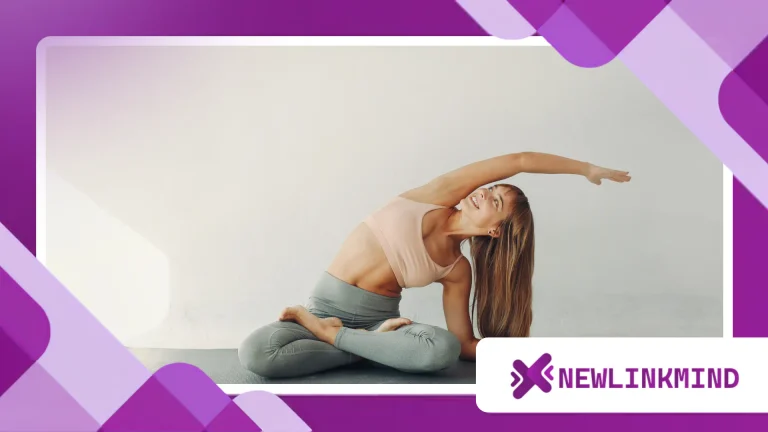
Move to hands and knees. Inhale as you arch your back gently, lifting your chest and tailbone (Cow).
Exhale as you round your spine, pressing through your hands and dropping your head (Cat). Move fluidly with your breath to mobilize the spine.
3. Child’s Pose (Balasana) with Lateral Stretch (3 Minutes)
From hands and knees, bring your big toes together and take your knees wide. Sink your hips back toward your heels and extend your arms forward.
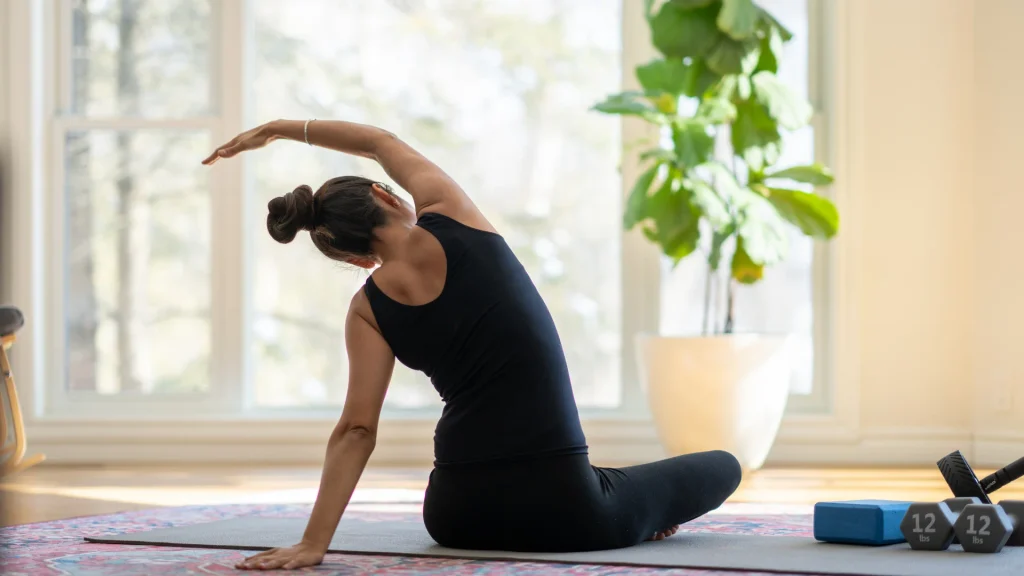
Walk both hands to the right side of the mat to stretch the left side body; hold for 5 breaths. Walk your hands to the left side and repeat.
4. Low Lunge (Anjaneyasana) with Gentle Twist (4 Minutes)
Step your right foot forward between your hands, lowering your left knee to the floor (pad with a blanket if needed).
Keep your hands on blocks or on your front knee. Hold for 5 deep breaths, letting your hips sink forward gently.
Option: Place your left hand down and reach your right arm up for a soft thoracic twist. Repeat on the left side.
5. Reclined Bound Angle Pose (Supta Baddha Konasana) (3 Minutes)
Lie on your back, bring the soles of your feet together, and let your knees open to the sides. Place blocks under your outer thighs for support so your inner thighs can relax without strain.
Rest one hand on your belly and one on your chest, focusing on soft belly breathing.
6. Legs-Up-the-Wall Pose (Viparita Karani) (4 Minutes)
Slide your hips close to a wall and extend your legs straight up the wall, letting your back rest flat on the floor.
This inversion assists venous blood return from the lower extremities, reduces lower leg swelling, and deeply relaxes the nervous system.
Common Mistakes to Avoid on Recovery Days
To gain the full benefits of a slow flow practice, avoid treating recovery sessions like standard workouts:
Pushing Into Pain or Deep Discomfort: Recovery is not the time to push flexibility limits. Stay at 50%–70% of your maximum range of motion.
Rushing the Transitions: Moving quickly between poses increases muscle engagement and defeats the purpose of active recovery.
Holding the Breath: If your breath becomes ragged or shallow, you are straining too hard. Back off the pose until your breath slows down.
Ignoring Body Signals: Modify poses using props whenever necessary. Forcing a shape without support creates unnecessary muscular tension.
Preguntas frecuentes
How often should I do slow flow yoga for recovery?
Slow flow yoga can be practiced 2 to 4 times per week on non-training days or as an evening unwind routine following heavy workout days.
Because of its low intensity, it does not require dedicated recovery time between sessions.
Can I do slow flow yoga if I am extremely sore from a workout?
Yes. Gentle movement and breathwork encourage blood flow to sore muscles (delayed onset muscle soreness or DOMS), which can help ease stiffness.
Keep the intensity low, use supporting props, and avoid deep, intense stretching on inflamed tissues.
What is the difference between slow flow and yin yoga?
While both are slow-paced, slow flow involves continuous, gentle movement synchronized with the breath.
Yin yoga consists of static, passive holds held for 3 to 5 minutes or longer to target deep connective tissues and fascia.
Do I need prior yoga experience to practice slow flow at home?
No. Slow flow is highly accessible to beginners because the movements are deliberate and easily modified.
Using basic props like blocks or blankets helps accommodate limited flexibility or joint tightness safely.
++ Slow Flow Yoga for Beginners to Stretch Deeply and Relax
++ This ‘Yoga With Adriene’ Recovery Flow Will Help You Crush Your Next Strength Workout