anuncios
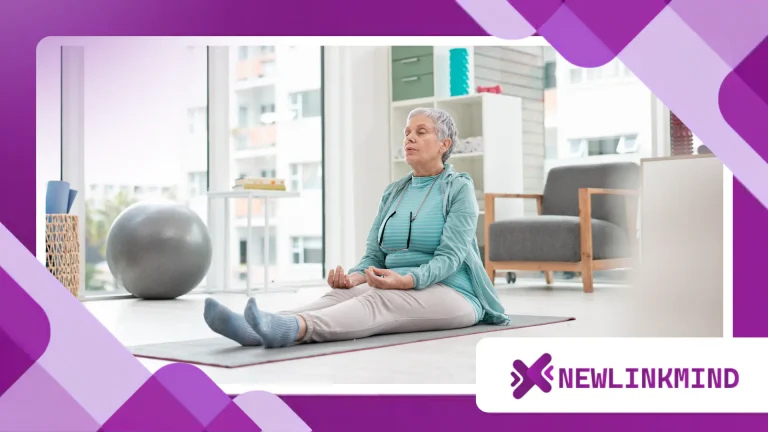
When older adults try shorter sessions with daily meditation, building a sustainable wellness habit becomes surprisingly effortless.
Sustaining a 30-minute quiet practice often feels like a steep uphill climb for seniors.
Joint discomfort, racing thoughts, and changing cognitive dynamics can turn a well-meaning routine into a frustrating chore.
Micro-dosing mindfulness into 3 to 10-minute daily bursts removes physical strain while sharpening executive function.
Groundbreaking cognitive aging research shows that brief, consistent daily practices deliver superior benefits for older minds compared to long, sporadic routines.
Conclusiones clave
- Short meditation sessions (3–10 minutes) lower mental fatigue and ease physical discomfort during practice.
- Daily micro-mindfulness enhances working memory and neuroplasticity in adults over 70.
- Shorter time commitments build stronger daily habits through consistent, low-friction repetition.
- Breath awareness and body scans adapt easily to brief morning or afternoon routines.
Why Do Seniors Need a Shift Toward Shorter Meditation Sessions?
Aging bodies and brains naturally process attention and physical comfort differently. Sitting motionless for extended periods frequently aggravates chronic issues like osteoarthritis, sciatica, or lower back stiffness.
Physical pain pulls focus away from mental stillness, defeating the purpose of mindful practice.
Cognitive energy levels fluctuate throughout the day for older adults. Attempting long meditation blocks can trigger mental fatigue rather than relaxation.
Shorter bursts align far better with natural cognitive rhythms, keeping the mind sharp and engaged throughout the exercise.
Focusing on duration over quality often creates unnecessary frustration. When expectations drop from a lengthy ordeal to a brief pause, anxiety disappears.
Consistency matters significantly more than total minutes spent sitting on a cushion.
Opinión de expertos: Consistency builds neural pathways far more effectively than duration. A five-minute daily practice creates lasting habits, whereas a weekly 45-minute attempt often leads to frustration and abandonment.
How Does Short Daily Meditation Improve Brain Health After 70?
Brief mindfulness exercises stimulate key neural networks responsible for emotional regulation and focus.
Brain imaging studies reveal that brief, focused attention tasks strengthen prefrontal cortex connectivity, counteracting age-related cognitive decline.
Short practice triggers the parasympathetic nervous system rapidly, dropping cortisol levels and easing systemic inflammation.
Reduced stress hormones protect hippocampal volume, directly supporting short-term memory and spatial orientation.
++ Adapta fácilmente la duración de las sesiones de meditación para personas mayores en casa.
Regular micro-sessions also enhance emotional resilience. Seniors frequently face lifestyle shifts, loss, or health changes that demand emotional adaptation.
Daily mental resets provide accessible tools to process complex feelings without overwhelming the nervous system.
What Are the Best Short Meditation Techniques for Older Adults?
Simple, adaptable techniques yield the highest success rate for seniors. Fancy setups or complex visualizations are completely unnecessary when building a daily routine.
| Técnica de meditación | Ideal Duration | Primary Focus & Benefit |
| 4-7-8 Breath Reset | De 3 a 5 minutos | Calms the nervous system rapidly |
| Seated Body Scan | 5 to 8 Minutes | Releases localized physical tension |
| Conciencia sensorial | De 3 a 5 minutos | Anchors attention to current space |
| Amor bondadoso | 5 to 10 Minutes | Boosts mood and emotional warmth |
1. The 4-7-8 Breath Reset
Breathing exercises act as a direct remote control for heart rate and blood pressure.
Inhale quietly through the nose for four seconds, hold the breath for seven seconds, and exhale completely through the mouth for eight seconds.
Four cycles take under three minutes and instantly settle an overactive mind.
Research compiled by the Institutos Nacionales de Salud highlights how low-intensity, daily contemplative practices foster healthy cognitive aging and stress recovery in older demographics.
2. The Seated Body Scan
Sit comfortably in a supportive armchair with feet flat on the floor. Direct gentle attention to the toes, moving slowly up through the knees, hips, shoulders, and brow.
Leer más: Desarrollar habilidades de observación más sólidas mediante la meditación para personas mayores.
Notice sensations without trying to fix them, releasing tension on every exhale.
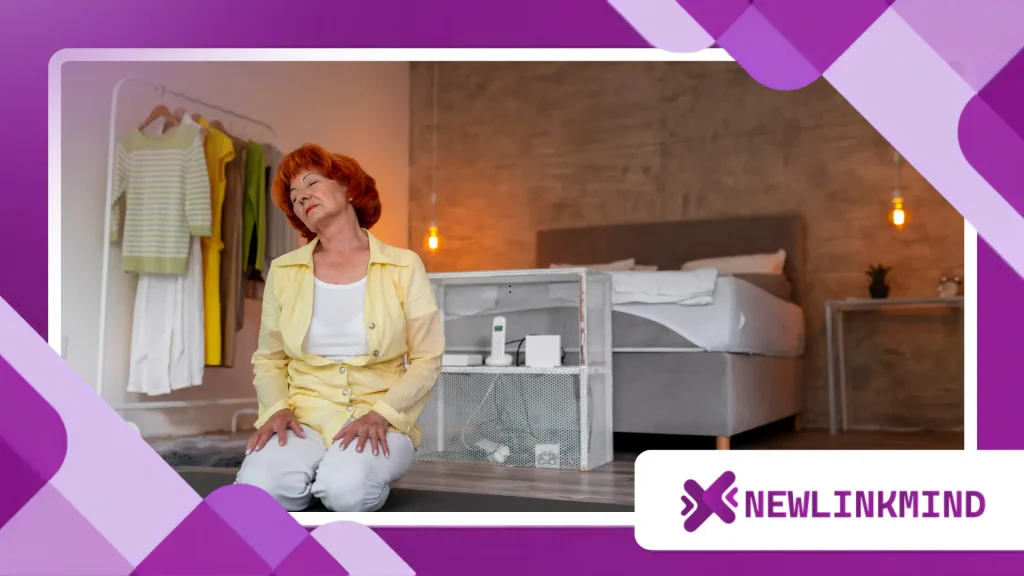
3. The 5-4-3-2-1 Sensory Grounding Exercise
Acknowledge five things visible in the room, four things tactilely felt, three distinct sounds, two smells, and one taste.
++ Crea sesiones más largas al estilo de un estudio con yoga en casa.
Sensory grounding interrupts racing worry cycles in less than five minutes, bringing full presence into the immediate room.
How Can Seniors Build a Lasting Daily Micro-Meditation Habit?
Habit stacking offers the smoothest path toward a reliable daily routine.
Pair a brief three-minute mindfulness exercise with an existing, automatic habit like drinking morning coffee or waiting for tea to brew.
- Paso 1: Wake Up & Morning Tea
- Paso 2: 3-Minute Breath Practice
- Paso 3: Start Daily Activities
Setting up a comfortable, dedicated space makes starting frictionless.
Choose a cozy chair with strong back support rather than floor cushions. Keep supportive pillows nearby to protect sensitive joints during practice.
Tracking consistency instead of duration creates a strong sense of daily accomplishment.
Marking a simple calendar checkmark after a five-minute session builds momentum without adding pressure.
Which Physical Adaptations Make Meditation Safer and More Comfortable?
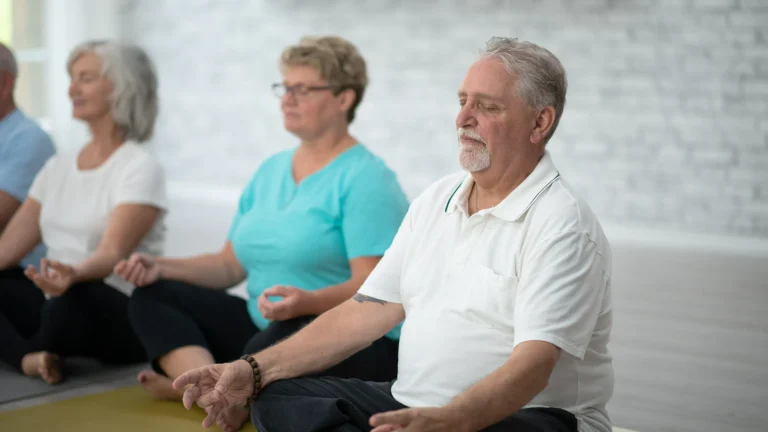
Standing or floor-based postures carry risk for seniors managing balance issues or joint wear. Adapted seated positions ensure safety while keeping the spine comfortably aligned.
- Place a firm cushion behind the lower back to maintain natural lumbar curve.
- Rest feet flat on a non-slip mat or footstool to prevent leg numbness.
- Keep hands resting softly on the thighs or folded gently in the lap.
- Allow eyes to stay softly open with a downward gaze if closing them causes dizziness.
Medical resources from major institutions like the Escuela de Salud Pública TH Chan de Harvard confirm that modified postures preserve the full psychological benefits of mindfulness without risking physical strain or joint injury.
What Are the Most Common Pitfalls When Starting Meditation After 70?
Expecting instant mental silence often derails beginners quickly. Wandering thoughts are a completely normal human brain function, not a sign of failure.
Mistake 1: Forcing absolute quiet. Minds naturally generate thoughts. Simply notice the thought, let it drift like a cloud, and gently return attention to the breath.
Mistake 2: Pushing through physical pain. Discomfort destroys focus. Adjust your seating position immediately if a joint hurts or a muscle cramps.
Mistake 3: Trying to make up for missed days. Skipping a day happens. Resume with a single brief session the following morning without doubling the practice time.
Preguntas frecuentes
How many times a day should seniors practice short meditation?
Practicing one to two times daily delivers optimal results. A brief three-minute session in the morning sets a calm tone for the day, while a short evening session helps prepare the body for restful sleep.
Is a 5-minute meditation session long enough to see real benefits?
Yes, five minutes of focused daily mindfulness yields measurable stress reduction and improved focus.
Neuroscientific research shows that regularity matters far more than session length for neural plasticity.
Can older adults with early memory loss practice micro-meditation?
Short sessions work exceptionally well for individuals with mild cognitive impairment.
Simple guided breathing or sensory exercises provide clear, manageable anchors that reduce agitation without overwhelming short-term memory.
Shorter daily meditation sessions offer a practical, restorative pathway to mental clarity for older adults.
By replacing long, exhausting practices with gentle micro-sessions, seniors over 70 can comfortably nurture emotional balance, cognitive resilience, and physical ease every single day.
++ The Benefits of Meditation for Senior Mental Health: Enhancing Well-Being at Any Age
++ 6 consejos de atención plena y meditación para personas mayores y adultos de la tercera edad.