anuncios
Superar las dudas sobre la meditación en la edad adulta. Abre la puerta a un mejor sueño, una memoria más aguda y una reducción del estrés sin necesidad de realizar cambios drásticos en el estilo de vida ni pasar horas sentado de forma rígida.
Comenzar a meditar después de los 60 años suele generar una oleada de escepticismo.
A muchos adultos mayores les preocupa que su mente esté demasiado inquieta, que su malestar físico interfiera o que la práctica de la atención plena sea simplemente una moda reservada para las generaciones más jóvenes.
Superar estas dudas comunes es fundamental para desbloquear los profundos beneficios cognitivos y emocionales disponibles en cualquier etapa de la vida.
Conclusiones clave
- Los cerebros que envejecen conservan la neuroplasticidad, lo que hace que la meditación sea muy eficaz para los adultos mayores.
- Adaptar tu postura física elimina la barrera del dolor corporal o la rigidez articular.
- Las breves sesiones diarias proporcionan una notable claridad mental y una mayor resiliencia emocional.
- Estudios clínicos modernos confirman que la práctica de la atención plena reduce la soledad y protege la salud cognitiva.
¿Por qué muchos adultos mayores dudan en practicar la meditación?
Las ideas erróneas sobre la atención plena suelen provenir de estereotipos culturales obsoletos.
Los escépticos suelen considerar la meditación como una práctica esotérica que requiere horas de contemplación silenciosa en incómodas posiciones con las piernas cruzadas.
Otros suponen que décadas de patrones de pensamiento arraigados hacen que sea imposible aquietar sus mentes.
Las molestias físicas representan otra barrera importante. El dolor crónico en las articulaciones, la artritis o la rigidez de espalda pueden convertir el simple hecho de sentarse en el suelo en una experiencia insoportable.
Cuando el malestar físico domina tu percepción, concentrarse en la respiración resulta casi imposible.
La duda desde una perspectiva secular también desempeña un papel importante. Muchos adultos mayores se preguntan si la práctica de la atención plena entra en conflicto con sus creencias religiosas o valores personales.
++ Cultivando una mayor autoobservación mediante la meditación para personas mayores
En realidad, la meditación moderna funciona simplemente como un ejercicio mental práctico diseñado para entrenar la atención y calmar el sistema nervioso.
| Duda común | Concepto erróneo subyacente | Realidad práctica |
| “Mi mente no se calma.” | La meditación requiere una mente totalmente en blanco. | La meditación consiste simplemente en darse cuenta de cuándo la atención se desvía. |
| “No puedo sentarme cómodamente.” | Debes sentarte con las piernas cruzadas en el suelo. | Sentarse en una silla, tumbarse o caminar funcionan igual de bien. |
| “Entra en conflicto con mi fe.” | La atención plena es un ritual estrictamente religioso. | La práctica de la atención plena laica entrena la concentración mental y la regulación emocional. |
| “Soy demasiado viejo para aprender.” | Los cerebros de las personas mayores no pueden adaptarse a nuevos hábitos mentales. | La neuroplasticidad continúa a lo largo de toda la vida. |
¿Cómo demuestra la ciencia que tu cerebro puede beneficiarse a cualquier edad?
La neurociencia confirma que el cerebro humano conserva la neuroplasticidad hasta bien entrada la edad adulta.
Las vías neuronales se reorganizan continuamente en respuesta a nuevas experiencias, entrenamiento mental y concentración intencional.
Practicar la atención plena fortalece la corteza prefrontal, que rige la función ejecutiva, la toma de decisiones y la retención de la memoria.
Investigación publicada por la Institutos Nacionales de Salud, Esto demuestra que la práctica regular de la atención plena ayuda a preservar la estructura cerebral y reduce el deterioro de la materia gris relacionado con la edad.
El entrenamiento constante de la atención ralentiza el envejecimiento cognitivo a la vez que mejora la concentración y la agilidad mental.
Al mismo tiempo, la meditación reduce el tamaño y la reactividad de la amígdala, el centro del miedo y el estrés del cerebro.
Reducir este foco de estrés disminuye la inflamación sistémica, estabiliza la presión arterial y alivia los síntomas de ansiedad.
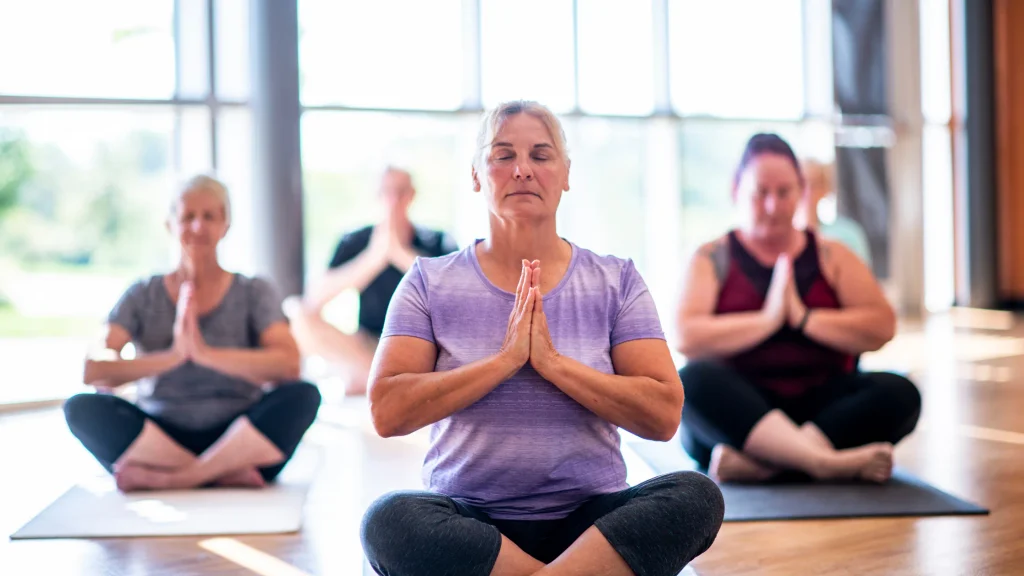
¿Cómo se puede adaptar la meditación a las limitaciones físicas?
Las adaptaciones físicas hacen que la práctica de la atención plena sea accesible a todo tipo de cuerpo y nivel de condición física.
Forzarse a adoptar posturas incómodas anula el propósito de calmar el sistema nervioso. La comodidad siempre debe primar sobre las normas posturales tradicionales.
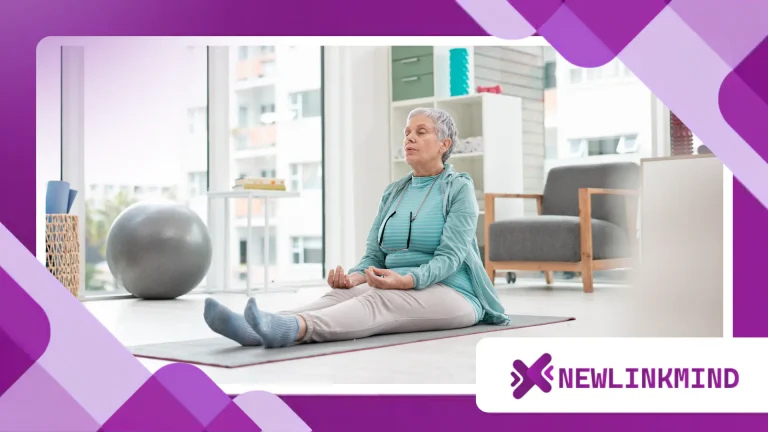
La meditación en silla ofrece una alternativa excepcional a los cojines de suelo. Siéntese erguido en una silla resistente con los pies apoyados en el suelo y la espalda apoyada en un pequeño cojín.
++ Desarrollando una conciencia sin prejuicios mediante la meditación para personas mayores
Apoya las manos cómodamente sobre los muslos para aliviar la tensión innecesaria en los hombros.
Tumbarse boca arriba sobre un colchón firme o una esterilla de yoga es otra postura eficaz. Si tumbarse provoca somnolencia, mantenga las rodillas flexionadas y los pies apoyados en la superficie.
Como alternativa, practicar la meditación caminando suavemente permite incorporar la atención plena al movimiento físico sutil.
¿Cuáles son las formas más efectivas de superar la inquietud mental?
Replantear tus expectativas sobre la gestión del pensamiento reduce instantáneamente la frustración. Esperar que tu cerebro deje de generar pensamientos es como esperar que tu corazón deje de latir.
El verdadero objetivo consiste en observar los pensamientos sin aferrarse a ellos ni juzgarlos.
++ Crea patrones de movimiento más fluidos con yoga en casa.
Ancla tu atención utilizando información sensorial específica:
- Describe la sensación física del aire al pasar por tus fosas nasales.
- Siente cómo tu abdomen se eleva y desciende con cada ciclo respiratorio.
- Escucha atentamente los sonidos ambientales que hay en tu habitación.
- Concéntrate en la sensación de tus pies tocando el suelo.
Siempre que tu mente divague hacia la lista de la compra o un viejo recuerdo, reconoce con delicadeza esa distracción.
Etiquete mentalmente ese pensamiento como “pensar” y dirija su atención de nuevo hacia el punto de anclaje elegido. Cada vez que redirige su atención, realiza una repetición mental que fortalece su cerebro.
¿Cómo ayuda la atención plena a afrontar la soledad y las transiciones vitales?
Las transiciones propias de la última etapa de la vida, como la jubilación, el duelo o los cambios en el estado de salud, suelen generar sentimientos de aislamiento.
La atención plena fomenta una mayor sensación de estabilidad interna durante períodos de cambios profundos. Desarrollar la autocompasión ayuda a las personas a procesar el duelo y la incertidumbre con mayor resiliencia.
Ensayos clínicos realizados por investigadores en Salud de UCLA, Los estudios indican que los programas cortos y diarios de atención plena disminuyen significativamente la sensación de soledad entre los adultos mayores.
La reducción de la expresión de genes inflamatorios asociada al aislamiento social mejora la salud física general, así como el bienestar emocional.
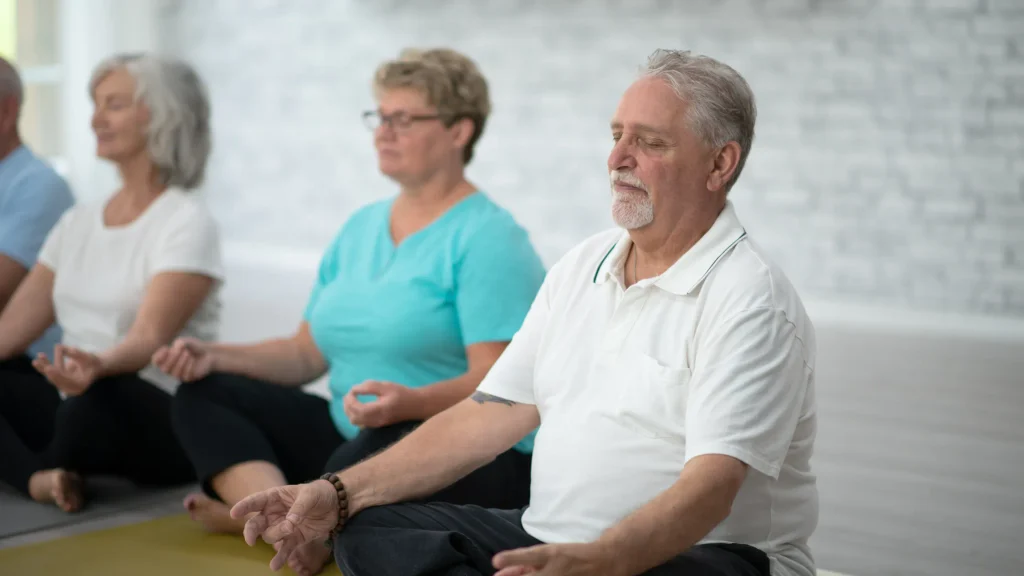
Conectar con grupos de meditación en centros para personas mayores locales o con comunidades en línea añade un valioso componente social.
Compartir tu práctica con tus compañeros crea una responsabilidad compartida a la vez que fomenta conexiones interpersonales significativas.
¿Cómo se crea una rutina diaria sin esfuerzo?
La constancia es mucho más importante que la duración de las sesiones a la hora de establecer un nuevo hábito.
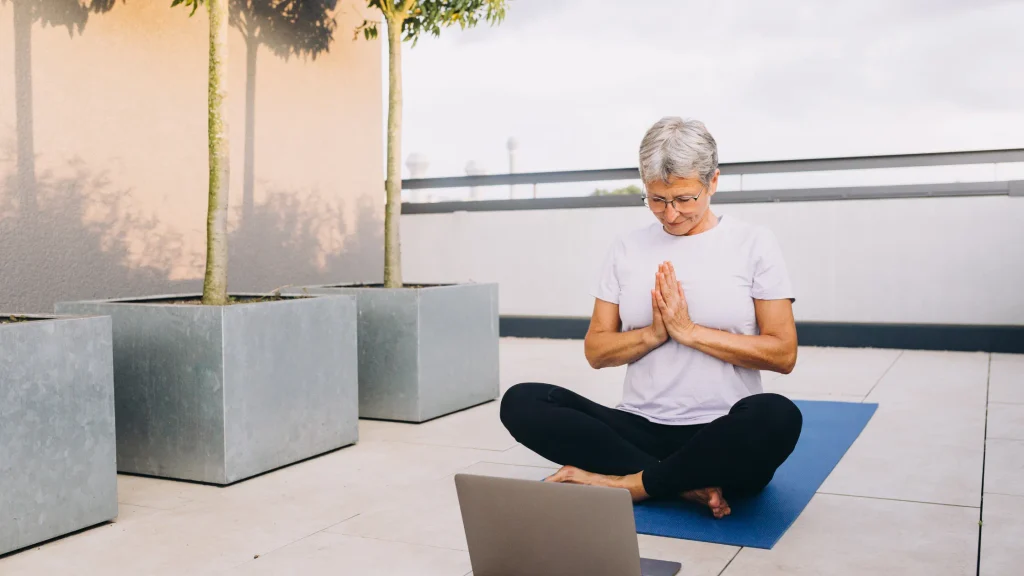
Comenzar con solo tres a cinco minutos cada mañana crea un impulso sin generar agobio. Integra tu nueva práctica directamente a un ritual diario ya establecido, como tomar tu té matutino.
Designa un rincón tranquilo y ordenado de tu casa como tu lugar exclusivo para meditar.
Tener cerca una silla cómoda, una manta abrigada o una iluminación tenue le indica a tu sistema nervioso que es hora de relajarse.
Utiliza pistas de audio guiadas, diseñadas específicamente para principiantes, para mantener tus sesiones estructuradas. Las indicaciones de voz claras eliminan las dudas y te ayudan a mantenerte enfocado durante todo el ejercicio.
Próximos pasos para principiantes
Comprométete con un sencillo reto de siete días: siéntate en silencio durante tres minutos cada mañana, inmediatamente después de despertarte.
Concéntrate exclusivamente en el movimiento físico de tu respiración, dejando de lado cualquier expectativa de alcanzar la perfección.
Preguntas frecuentes
¿Cuánto tiempo debería meditar un adulto mayor cada día?
Los principiantes obtienen excelentes resultados comenzando con tres a cinco minutos diarios. Puedes ir aumentando gradualmente la práctica a quince o veinte minutos a medida que mejores tu comodidad y concentración con el tiempo.
¿Puede la meditación mejorar la calidad del sueño en las personas mayores?
Sí, practicar la atención plena antes de acostarse reduce los niveles de cortisol y calma los pensamientos acelerados. Relajar la respuesta del cuerpo al estrés facilita conciliar el sueño más rápidamente y un descanso más profundo.
¿Necesito algún equipo o aplicación especial para practicar?
No se necesita ningún equipo especial para practicar la atención plena de forma eficaz. Si bien las aplicaciones de audio guiadas ofrecen instrucciones útiles, una silla cómoda y un espacio tranquilo proporcionan todo lo necesario.
++ Cómo superar el obstáculo de la duda durante la meditación
++ ¿Tienes problemas para meditar? Aquí tienes consejos para 17 problemas comunes.