anuncios
Descubrir formas efectivas de aliviar la hipervigilancia y la tensión puede transformar radicalmente el bienestar diario y la longevidad general de una persona mayor.
Esta guía especializada presenta marcos de meditación basados en evidencia, diseñados específicamente para sistemas nerviosos maduros que buscan una paz duradera.
Resumen ejecutivo
| Desafío principal | Indicador fisiológico | Técnica de meditación dirigida | Resultado de bienestar esperado |
| Hipervigilancia crónica | Niveles elevados de cortisol basal, respiración torácica superficial, sobrecarga sensorial | Escaneo somático consciente | Reducciones en la verificación automática de amenazas ambientales |
| Tensión neuromuscular | Tensión miofascial persistente, dolor en la articulación temporomandibular (ATM). | Relajación fisiológica progresiva | Mayor flujo sanguíneo sistémico y mayor facilidad física. |
| Desequilibrio autonómico | Tono vagal suprimido, variabilidad de la frecuencia cardíaca (VFC) volátil. | Respiración con frecuencia de resonancia | Mayor activación parasimpática y estados de calma |
¿Qué es la hipervigilancia en los adultos mayores?
La hipervigilancia no es simplemente estar un poco preocupado o ser demasiado precavido; es un estado brutal e implacable de sobrecarga del sistema nervioso en el que el cuerpo escanea continuamente el entorno en busca de amenazas que no existen.
Si bien este reflejo protector salva vidas en situaciones de peligro agudo, permanecer en modo de supervivencia erosiona lentamente los delicados sistemas biológicos de los adultos mayores.
El envejecimiento altera fundamentalmente la forma en que nuestro cerebro procesa el estrés psicológico, amplificando con frecuencia traumas antiguos o ansiedades profundas.
Este cambio estructural provoca que muchos adultos mayores se sientan completamente agotados, físicamente exhaustos y totalmente desconectados de la seguridad real de su entorno inmediato.
Los síntomas físicos rara vez se presentan como mero estrés mental; en cambio, se manifiestan como rigidez muscular extrema, problemas digestivos repentinos o una sobresalto sorprendentemente intenso ante ruidos domésticos cotidianos.
Reconocer esta profunda y a menudo agotadora conexión entre la mente y el cuerpo es el primer paso vital para alejarse de la defensa constante y encaminarse hacia una verdadera recuperación.
¿Cómo afecta el estrés crónico a la salud de las personas mayores?
El hecho de soportar décadas de tensión acumulada obliga al esqueleto envejecido a soportar una carga fisiológica inmensa y antinatural, lo que acelera directamente el desgaste de las articulaciones y merma la movilidad básica diaria.
Cuando los grupos musculares permanecen en un estado de contracción constante, la circulación localizada disminuye drásticamente, privando a los tejidos de oxígeno y desencadenando una inflamación crónica.
Esta continua inundación del torrente sanguíneo con hormonas del estrés como el cortisol mantiene al sistema cardiovascular bajo asedio, provocando un aumento progresivo de la presión arterial basal año tras año.
Es un proceso silencioso y perjudicial que muchos adultos mayores simplemente confunden con el envejecimiento normal.
Sin una intervención específica, esta coraza física interrumpe los ciclos de sueño profundo necesarios para la reparación neurológica, impidiendo que el cerebro elimine los productos de desecho metabólicos durante la noche.
Cultivar una práctica deliberada para interrumpir este estado no es un lujo, sino una necesidad absoluta para proteger la salud cognitiva a largo plazo y la independencia física.
++ Meditación para personas mayores para mejorar la estabilidad del ritmo sueño-vigilia
¿Por qué la meditación es ideal para aliviar la hipervigilancia y la tensión?
La meditación funciona como una herramienta precisa y no farmacológica que recalibra directamente una amígdala sobreestimulada, sin los complicados efectos secundarios ni las interacciones medicamentosas que a menudo entorpecen la rutina médica de las personas mayores.
Al centrar deliberadamente la atención en el presente inmediato, los adultos mayores pueden desmantelar silenciosamente las profundas conexiones neurológicas dejadas por años de preocupación crónica.
Estudios recientes de neuroimagen de Investigación cerebral del Monte Sinaí Demuestran que las prácticas de atención plena dirigidas estabilizan directamente las estructuras cerebrales profundas responsables de la regulación emocional y la memoria.
Este cambio ayuda aliviar la hipervigilancia y la tensión al otorgar a la corteza prefrontal el control sobre los reflejos de supervivencia primitivos impulsados por el miedo.
Las personas mayores descubren que pueden observar sensaciones internas intensas o ruidos externos sin caer inmediatamente en una espiral emocional.
Este nuevo espacio interior proporciona a las personas una resiliencia tranquila y constante que cambia la forma en que interactúan con un mundo cada vez más ruidoso y abrumador.
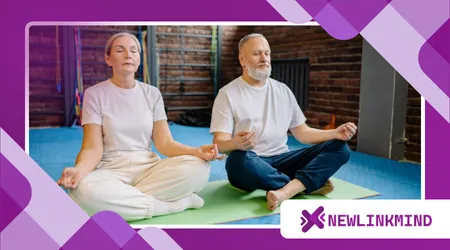
¿Qué prácticas de meditación son las más efectivas para las personas mayores?
1. Conciencia de la respiración diafragmática
- Siéntese erguido y cómodamente en una silla que le brinde buen apoyo, colocando una mano plana sobre el abdomen para controlar el movimiento físico de la respiración.
- Inhale lenta y silenciosamente por la nariz contando hasta cuatro, permitiendo que el abdomen se expanda por completo como un globo blando.
- Exhala suavemente con los labios ligeramente fruncidos durante seis segundos, indicándole deliberadamente al nervio vago que ralentice el ritmo cardíaco.
- Repite este ciclo rítmico de conexión con la tierra durante cinco minutos al día para calmar rápidamente un sistema nervioso acelerado e hiperactivo.
Leer más: Meditación para personas mayores para reducir el ruido mental y la rumiación
2. Escaneo corporal somático
Acuéstese boca arriba en un espacio cómodo y tranquilo, cierre los ojos y respire profundamente varias veces para relajarse en la habitación.
Dirige tu atención con suavidad y sin juzgar, hasta los dedos de los pies, simplemente notando cualquier sensación sutil de calor, frío o tensión estructural.
Respira directamente hacia cualquier tensión que detectes, imaginando cómo las fibras musculares tensas y anudadas se desenrollan y se suavizan sobre la superficie que tienes debajo.
++ Cómo recuperarse mentalmente después de conversaciones difíciles con clientes.
Lentamente, traslada esta atención concentrada hacia arriba, a través de las pantorrillas, los muslos, las caderas, el torso, los hombros y hasta la mandíbula, que suele estar muy tensa.
3. Meditación de la bondad amorosa
- Descansa en paz mientras evocas un recuerdo reconfortante, un paisaje tranquilo o a una persona querida que te brindó apoyo, y lo visualizas claramente.
- Repite en silencio frases de conexión a tierra y protección: “Que esté a salvo, que tenga paz, que esté completamente libre de sufrimiento”.”
- Irradia estos deseos cálidos y estabilizadores hacia tu familia inmediata, tus vecinos y, finalmente, hacia la comunidad global más amplia y compleja.
- Utilice este enfoque centrado en el corazón para disolver las barreras emocionales defensivas y calmar la ansiedad social que a menudo aísla a los adultos mayores.
¿Cuándo deberían los adultos mayores practicar la atención plena? Alivia la hipervigilancia y la tensión.
Establecer una rutina de meditación predecible produce los beneficios neurológicos más profundos, al lograr reconfigurar con éxito patrones arraigados de reactividad emocional.
Practicar a primera hora de la mañana ayuda a establecer un ritmo tranquilo, protegiendo la mente contra el estrés diario.
Realizar una segunda sesión corta justo antes de acostarse favorece un sueño más profundo e ininterrumpido al liberar el estrés físico acumulado.
Hacer pausas breves y conscientes durante momentos de frustración inesperada durante el día ayuda a mantener equilibrado el sistema nervioso autónomo.
La constancia es mucho más importante que el tiempo total dedicado a la meditación; las sesiones breves diarias son más efectivas que las largas sesiones de fin de semana. Comprometerse a meditar tan solo diez minutos al día sienta las bases para una paz mental duradera.

¿Cuáles son los beneficios inmediatos de la calma?
Las personas mayores suelen notar una disminución inmediata y reconfortante de su ritmo cardíaco justo después de completar una sesión de meditación concentrada.
Este rápido cambio fisiológico permite que los músculos tensos del cuello, los hombros y la cara liberen su dolorosa tensión.
La claridad mental regresa rápidamente cuando el cerebro deja de gastar energía metabólica vital en crisis o amenazas futuras imaginarias.
Con el tiempo, esta profunda quietud interior fomenta una mayor paciencia emocional, mejorando las relaciones cercanas con amigos y familiares.
Una mayor autoconciencia permite a los adultos mayores detectar las primeras señales de alerta de estrés antes de que la ansiedad se convierta en pánico.
Esta estrategia proactiva de autocuidado ayuda a que las personas mayores se sientan seguras, totalmente independientes y con un control firme de sus vidas.
Preguntas frecuentes
¿Puede la meditación sustituir los medicamentos ansiolíticos recetados a los adultos mayores?
La meditación es una herramienta de apoyo maravillosa, pero las personas mayores nunca deben modificar las dosis de los medicamentos recetados sin la orientación directa de su médico de cabecera.
¿Cuánto tiempo se tarda en observar mejoras notables en la tensión física?
Muchas personas experimentan un alivio físico inmediato durante la práctica, mientras que los cambios neurológicos permanentes suelen desarrollarse después de semanas de meditación diaria constante.
¿Es necesario sentarse con las piernas cruzadas en el suelo para meditar correctamente?
Absolutamente no. Las personas mayores pueden alcanzar estados profundos de relajación sentadas erguidas en una silla cómoda o acostadas boca arriba en la cama.
¿Qué debo hacer si mi mente divaga constantemente durante mi práctica?
Es completamente normal tener pensamientos dispersos; simplemente observa la distracción sin juzgarla y vuelve suavemente tu atención al ritmo de tu respiración.
¿Puede la práctica de la atención plena ayudar a controlar los dolores crónicos relacionados con la edad?
Sí, datos publicados por Psicología Hoy Ciencia de la Longevidad Esto indica que la práctica de la atención plena altera las vías de percepción del dolor en el cerebro, lo que ayuda a las personas mayores a controlar el malestar crónico con mucha menos angustia emocional.
++ Envejecimiento consciente: técnicas de meditación y alivio del estrés para personas mayores
++ ¿Cuáles son las técnicas clave de meditación de atención plena para personas mayores?