
Schaffung von Mikropausen zur Verbesserung der Arbeitsleistung
Anzeigen
Creating Micro-Pauses throughout your busy schedule is no longer just a trendy wellness concept. It is a scientifically backed strategy to maintain peak mental sharpness daily.
Modern corporate environments demand relentless focus and constant digital connection from employees.
High-pressure expectations easily lead to severe cognitive fatigue without proper energy management techniques.
Mastering short mental breathers transforms exhausting daily grinds into sustainable career success.
Explore the sections below to understand how these brief interventions elevate your professional output.
This article covers what these breaks entail, why cognitive rests matter, scientific evidence, scheduling strategies, and practical implementation techniques. Let us explore these essential workplace habits together.
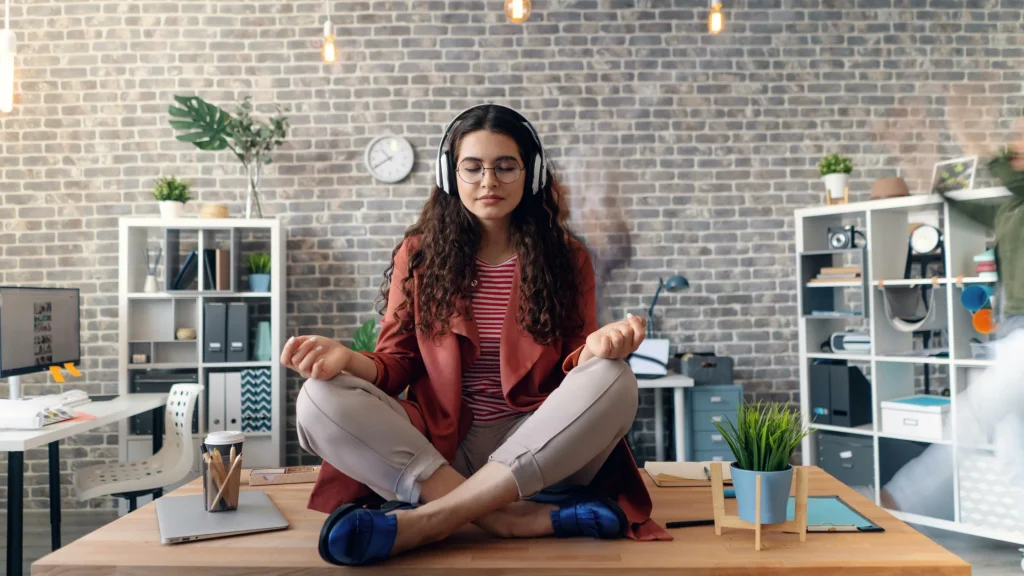
What Are Micro-Pauses in the Modern Workplace?
These interventions involve deliberately stepping away from demanding cognitive tasks for a few seconds to a few minutes. Taking brief mental vacations resets your psychological state.
Individuals might look out a window, stretch their shoulders, or take three deep breaths. Such actions interrupt the continuous strain placed on the nervous system effectively.
Unlike traditional fifteen-minute coffee breaks, these moments happen seamlessly within your existing workflow.
Professionals can integrate them without disrupting important meetings or missing urgent project deadlines.
Regular neural disengagements prevent the buildup of tension that typically derails afternoon productivity.
Focusing on Creating Micro-Pauses matters more than taking long, infrequent breaks away.
Why Do We Need Brain Breaks During Work?
Human brains evolved to sustain intense focus for relatively short bursts of time.
Prolonged concentration depletes essential neurotransmitters required for optimal executive function and emotional regulation.
Forcing your mind to process complex information continuously creates diminishing returns quickly. Eventually, tired employees stare at spreadsheets while absorbing absolutely nothing of value or substance.
Strategic disengagement allows your subconscious mind to process newly acquired data quietly. Many profound creative breakthroughs occur exactly when we stop actively thinking about the problem.
By deliberately shifting attention away from monitors, workers reduce eye strain significantly. Visual relief translates directly into fewer tension headaches and better overall physical comfort daily.
How Does Constant Screen Time Affect Productivity?
Staring at digital interfaces endlessly suppresses our natural physiological recovery mechanisms. Digital overload keeps the sympathetic nervous system locked in a perpetual state of mild panic.
Employees experiencing high screen time report increased irritability and severely reduced attention spans.
Constant notification pings fracture our concentration, making deep work almost entirely impossible.
Erfolgreich Creating Micro-Pauses acts as a powerful antidote to digital exhaustion. Stepping back physically and mentally breaks the hypnotic spell cast by glowing monitors and alerts.
++ Die Vorteile der Meditation während Arbeitspausen
Organizations embracing intentional disengagement report lower turnover rates and higher job satisfaction metrics. Healthy corporate cultures recognize that continuous screen staring harms long-term business objectives.
Which Scientific Data Supports Short Rests?
Numerous ergonomic and psychological studies validate the efficacy of brief rest periods. Researchers consistently observe measurable improvements in typing accuracy and reading comprehension after short breaks.
Der American Psychological Association regularly publishes findings on workplace stress management. Their extensive research highlights how vital brief detachments are for maintaining psychological well-being at work.
Let us examine real performance metrics comparing workers who take breaks versus those who push through. The data clearly demonstrates the advantage of strategic recovery protocols.
| Leistungskennzahl | Continuous Work Session | With Regular Micro-Breaks |
| Typographical Error Rate | High frequency | Deutlich reduziert |
| Eye Strain Incidence | 75% of remote workers | 35% of remote workers |
| Afternoon Fatigue Levels | Severe and prolonged | Mild and manageable |
| Problem-Solving Speed | Slower cognitive processing | Maintained baseline speed |
Observations drawn from foundational ergonomic research emphasize profound physiological differences. Incorporating tiny rests drastically lowers the incidence of repetitive strain injuries among dedicated office personnel globally.
When Should You Schedule These Mental Breathers?
Timing plays a crucial role in maximizing the benefits of your recovery strategy. Waiting until you feel entirely exhausted means you have already waited too long.
Experts often recommend the twenty-twenty-twenty rule for optimal visual and mental health. Every twenty minutes, look at something twenty feet away for twenty whole seconds.
Transition periods between different tasks offer excellent natural opportunities for short rests. Closing one software application before opening another provides a perfect moment for breathing.
Mehr lesen: Meditationstechniken für den Arbeitsplatz für einen konzentrierteren Tag
Deliberately Creating Micro-Pauses during long virtual meetings keeps your attention sharp and engaged. Simply looking away from the camera for a moment reduces Zoom fatigue significantly.
What Is the Best Way to Implement Them?
Start by setting gentle reminders on your phone or smartwatch daily. Relying solely on your memory rarely works when you are deeply engrossed in complex assignments.
Choose activities that contrast sharply with your primary work posture and focus. If you sit while typing, stand up and stretch your arms toward the ceiling.
Hydration breaks serve double duty by forcing workers to walk toward the kitchen. Filling a water glass ensures you move your body and look away from screens.
Deep breathing exercises offer immediate parasympathetic nervous system activation without requiring extra space. Inhaling slowly for four counts instantly calms racing thoughts and lowers elevated heartbeats.
++ Reaktive Gewohnheiten durch tägliche Morgenmeditation überwinden
Building these habits requires consistency rather than drastic lifestyle overhauls initially. Commit to introducing just three intentional breaks into your morning routine starting this week.
Why Are Physical Movements Crucial During Mental Rests?
Sitting in one position restricts blood flow to your extremities and brain. Sedentary habits compound the physical exhaustion we mistakenly attribute solely to mental exertion daily.
Incorporating tiny physical movements like wrist circles prevents muscle stiffness effectively.
Blood circulation improves dramatically when we activate muscles that remain dormant during long typing sessions.
Mindful Creating Micro-Pauses often involves shoulder shrugs to release trapped tension.
Stress physically manifests in the upper back, making targeted stretches incredibly therapeutic for busy professionals.
Even shifting your weight in an ergonomic chair constitutes a valid micro-movement. Dynamic sitting prevents the spine from experiencing localized pressure over extended periods of time.
How Do Organizations Benefit From Rested Employees?
Companies prioritizing worker well-being consistently outmaneuver competitors in innovation and problem-solving speed.
Exhausted minds rarely generate the groundbreaking ideas required for sustainable market dominance today.
Healthcare costs plummet when staff members actively manage their daily stress levels. Preventive wellness measures like short rests keep teams healthy, reducing expensive medical interventions.
Burnout leads to massive brain drain as top talent seeks healthier environments. Fostering a balanced culture retains high performers who drive substantial revenue growth over time.
Leadership teams must actively model this behavior to ensure widespread organizational adoption. When executives take visible breathers, it grants permission for junior staff to do similarly.
Abschluss
Embracing brief recovery periods fundamentally changes how we experience our professional lives daily. Society must stop glorifying absolute exhaustion as a badge of corporate honor and dedication.
Intentionally Creating Micro-Pauses guarantees better output, enhanced creativity, and protected mental health. Organizations thrive when their people feel energized rather than completely drained by Friday afternoon.
Everyone holds the power to reclaim cognitive bandwidth right now. Take a deep breath, stretch your neck, and return to your pending tasks with renewed mental clarity.
For deeper insights into mindfulness practices, explore the Mayo Clinic’s comprehensive guide on meditation and stress reduction. Discover how simple daily interventions transform your overall quality of life.
Häufig gestellte Fragen
What exactly defines a short break in a standard corporate office setting today?
These are brief intervals lasting anywhere from ten seconds to two minutes.
They interrupt static postures and intense focus to provide immediate physiological and psychological relief.
How frequently should professionals practice short cognitive breaks throughout their busy work schedules?
Ergonomic specialists suggest taking a very brief rest every twenty to thirty minutes.
Priorisierung Creating Micro-Pauses becomes absolutely crucial during particularly stressful and demanding project phases.
Will taking frequent short rests make employees look lazy to their executive managers?
Progressive leaders understand that strategic recovery enhances overall productivity and reduces costly errors.
Communicating the benefits of these habits often encourages entire teams to adopt them actively.
++ The Business Case for Micro-Breaks
++ The tiny breaks that ease your body and reboot your brain