الإعلانات
عندما تتغير أنماط الطقس، غالباً ما تتأثر المفاصل بشدة بهذا التغيير. فموجات البرد المفاجئة، والانخفاضات الحادة في الضغط الجوي، والهواء الرطب، كلها عوامل تؤدي في كثير من الأحيان إلى تيبس المفاصل وتورمها وانخفاض قدرتها على الحركة.
لحسن الحظ، توفر الحركة اللطيفة علاجاً مثبتاً للحفاظ على الراحة على مدار السنة.
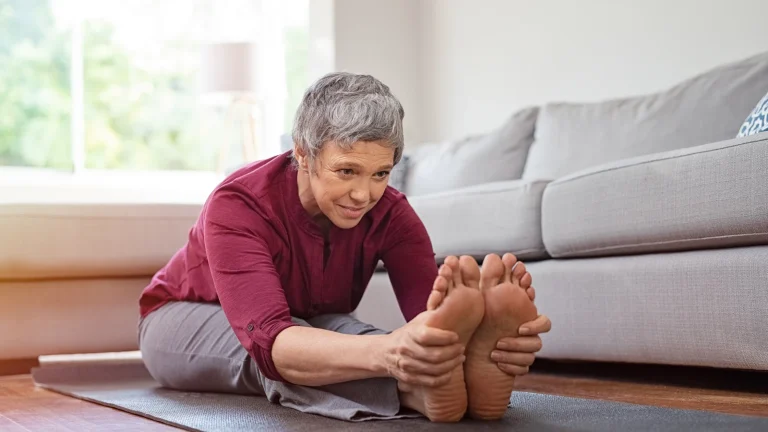
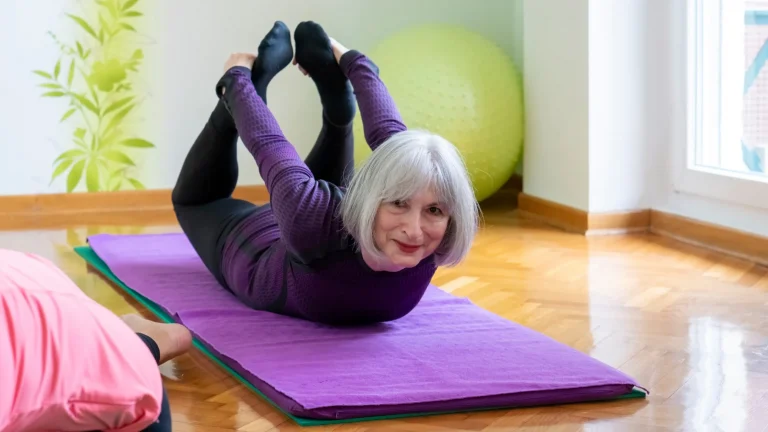
تساعد ممارسة اليوغا اللطيفة تخفيف آلام المفاصل الموسمية مع بناء القوة والمرونة والتوازن دون إجهاد الأنسجة الحساسة.
أهم النقاط
- تأثير الضغط الجوي: يؤدي تغير الضغط الجوي إلى تمدد أنسجة المفاصل الحساسة، مما يزيد من حدة الألم أثناء تغير الفصول.
- تحفيز السائل الزلالي: تساعد الحركة الإيقاعية على دوران السائل المزلق عبر مفاصلك، مما يقلل من تيبس الصباح بشكل طبيعي.
- تسلسلات منخفضة التأثير: تساعد وضعيات الجلوس اللطيفة على الكرسي والحركات المدعومة على حماية الغضروف مع زيادة تدفق الدم.
- الاستمرارية اليومية مهمة: تؤدي التمارين اليومية القصيرة التي تستغرق 10 دقائق إلى تخفيف الألم على المدى الطويل بشكل أفضل من التمارين المتقطعة والمكثفة.
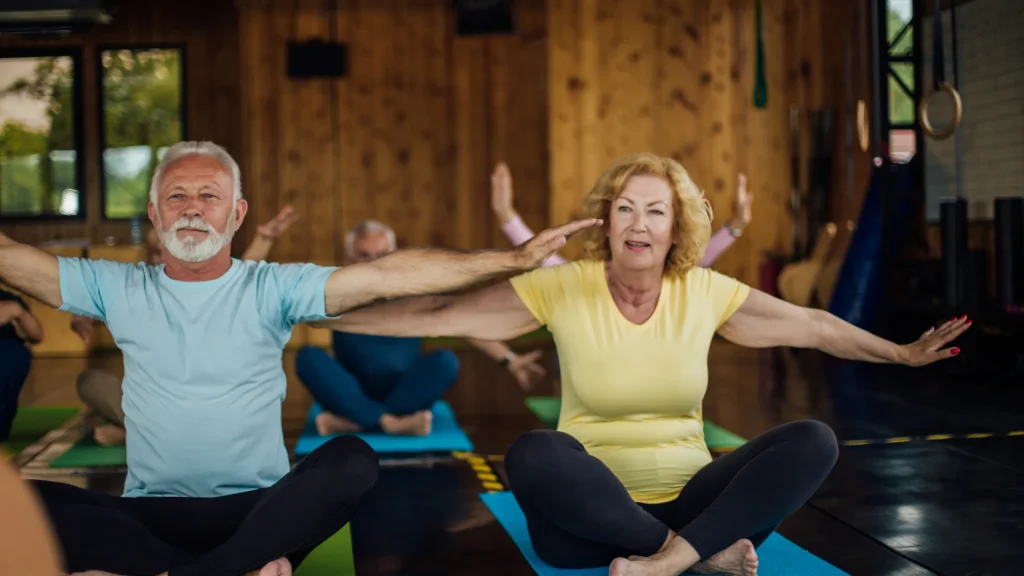
لماذا يؤدي تغير الطقس الموسمي إلى آلام المفاصل لدى كبار السن؟
يؤدي انخفاض الضغط الجوي في كثير من الأحيان إلى تورم أنسجة المفاصل قليلاً، مما يضع ضغطاً إضافياً على الأعصاب.
كما أن الطقس البارد يزيد من كثافة السائل الزلالي - وهو المادة المزلقة الطبيعية داخل كبسولات المفاصل - مما يجعل الحركة تبدو متصلبة وغير مريحة.
“"يؤدي انخفاض درجة الحرارة المصحوب بانخفاض الضغط الجوي إلى انقباض ألياف العضلات، مما يزيد من التصلب حول المفاصل الحاملة للوزن مثل الركبتين والوركين."”
تُظهر الدراسات أن النشاط البدني الخفيف يحافظ على تغذية غضروف المفاصل عن طريق تحسين الدورة الدموية. أما الجلوس لفترات طويلة خلال الأشهر الباردة فيؤدي في الواقع إلى تسريع تصلب المفاصل.
إن الحفاظ على نشاط المفاصل من خلال وضعيات اليوغا المحددة يضمن تدفق الدم المستمر ويحافظ على نطاق الحركة عندما تسوء الأحوال الجوية.
بحث منشور من قبل المعاهد الوطنية للصحة
كيف تساعد اليوغا في تخفيف آلام المفاصل الموسمية؟
تعتمد اليوغا على الجمع بين الحركات المتحكم بها ذات التأثير المنخفض والتنفس الواعي.
++ أفضل أنواع اليوغا لكبار السن في عام 2026
بدلاً من إجهاد المفاصل على الرصيف الصلب، تعمل اليوغا بلطف على إطالة العضلات المشدودة وتدفئة الأنسجة الضامة المحيطة بها.
| المنطقة المشتركة | محفزات الطقس الشائعة | فوائد اليوغا |
| الركبتان والوركان | درجات حرارة منخفضة، رطوبة عالية | يحسن حركة السائل الزلالي |
| أسفل الظهر | الخمول خلال أشهر الشتاء | يقوي عضلات الدعم الأساسية |
| اليدان والمعصمان | انخفاض الضغط الجوي | يزيد من تدفق الدم إلى المفاصل الدقيقة |
| الكتفين والرقبة | التوتر في مواجهة الرياح الباردة | يُخفف التوتر العضلي، ويُحسّن وضعية الجسم |
تحفز الممارسة المنتظمة الجهاز اللمفاوي، مما يشجع الجسم على التخلص من علامات الالتهاب.
يقلل التنفس العميق من الحجاب الحاجز من هرمونات التوتر، مما يقلل بدوره من حساسية الألم في جميع أنحاء الجهاز العصبي المركزي.
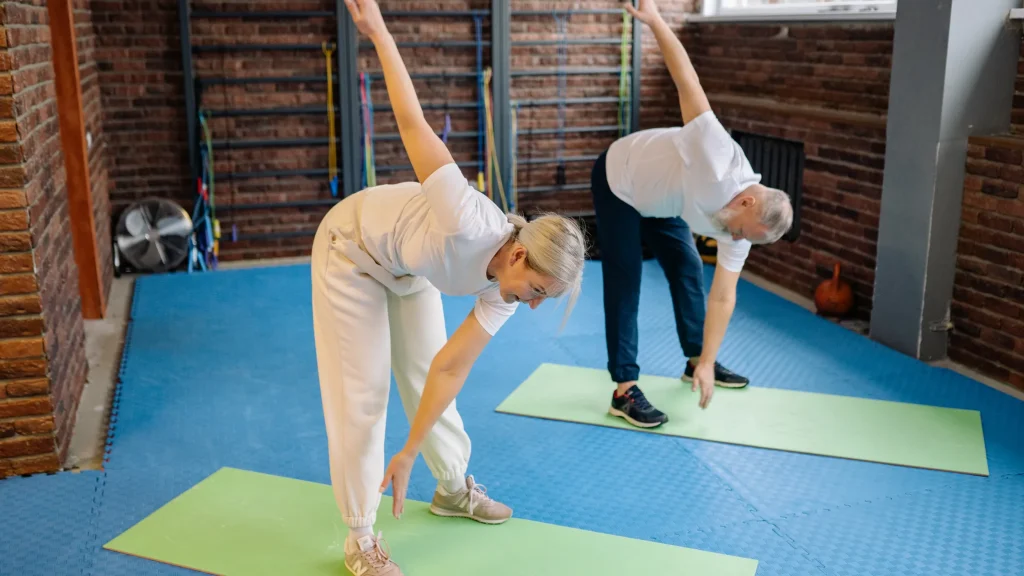
ما هي وضعيات اليوغا اللطيفة الأنسب للعناية بمفاصل كبار السن؟
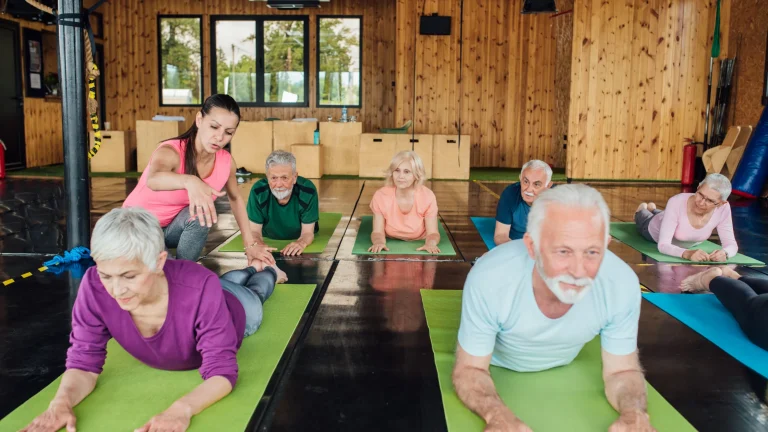
تضمن التعديلات بقاء الحركة آمنة ومتاحة للجميع. يتيح استخدام الكراسي والكتل والأحزمة لكبار السن الاستفادة من الفوائد العلاجية دون إجهاد الركبتين أو الوركين.
++ كيف يمكن لكبار السن البدء بممارسة اليوغا في المنزل بثقة
قطة بقرة على كرسي لطيف
اجلس منتصبًا على كرسي متين مع وضع قدميك بشكل مسطح على الأرض. خذ نفسًا عميقًا، وادفع صدرك للأمام، وقوّس ظهرك العلوي برفق.
أخرج الزفير، وقوّس ظهرك، واثنِ ذقنك برفق نحو صدرك. كرر ذلك من خمس إلى ثماني مرات لتدفئة العمود الفقري وتخفيف توتر أسفل الظهر الناتج عن برودة الطقس.
وضعية الجبل الجالسة (تاداسانا)
قم بمحاذاة الكاحلين مباشرة تحت الركبتين، وقم بإطالة العمود الفقري، وضع راحتي اليدين على الفخذين.
اقرأ المزيد: التأمل في مكان العمل للموظفين الذين يعملون عن بعد
استنشق بعمق، ومدّ ذراعيك فوق رأسك إن كنت مرتاحاً، أو أبقِ يديك على مستوى صدرك. ركّز على تثبيت قدميك على الأرض مع رفع رأسك من أعلى الرأس لبناء وعي لطيف بوضعية جسمك.
المحارب الأول المدعوم بالكرسي
قف خلف كرسي متين، وامسك بمسند الظهر لتحقيق الثبات. ضع إحدى قدميك للخلف، واثنِ ركبتك الأمامية قليلاً بينما تضغط بكعب قدمك الخلفية باتجاه الأرض.
حافظ على استقامة الوركين للأمام. يساعد الحفاظ على هذه الوضعية على تقوية عضلات الفخذين، مما يخفف الضغط عن مفاصل الركبة المعرضة للخطر.
دوائر المعصم والكاحل
اجلس بشكل مريح ومد ذراعيك للأمام. قم بتدوير معصميك ببطء في اتجاه عقارب الساعة خمس مرات، ثم عكس اتجاه عقارب الساعة. كرر نفس الحركة مع كاحليك.
تحفز الحركات الدقيقة إنتاج السوائل في المفاصل الصغيرة التي غالباً ما يتم إهمالها خلال المواسم الباردة.
ما هي العادات اليومية التي تعزز ممارسة اليوغا؟
إن الجمع بين الحركة اللطيفة واستراتيجيات العافية الأساسية يزيد من تخفيف الألم خلال فترات الانتقال بين الفصول.
- حافظ على رطوبتك: يتكون غضروف المفصل في معظمه من الماء. شرب كميات كافية من السوائل يحافظ على نعومة الأنسجة ومرونتها.
- قم بتطبيق الحرارة الرطبة أولاً: خذ حمامًا دافئًا أو استخدم وسادة تدفئة لمدة عشر دقائق قبل الصعود على السجادة لتسخين العضلات الباردة مسبقًا.
- ارتدي طبقات دافئة: حافظ على تغطية الركبتين والكاحلين أثناء التمرين لمنع فقدان الحرارة السريع من المفاصل الحساسة.
- استمع إلى إشارات الألم: ميّز بين التمدد الصحي والشعور بعدم الراحة الحاد. لا تتجاوز أبدًا الشعور الخفيف بعدم الراحة.
إرشادات من مراكز مكافحة الأمراض والوقاية منها
التأكيد على أن النشاط البدني المنتظم يظل أحد أكثر الطرق غير الدوائية فعالية لإدارة أعراض التهاب المفاصل والحفاظ على الاستقلالية مع التقدم في السن.
كيف يُعزز التنفس السليم تخفيف آلام المفاصل
يُعد التنفس العميق والمتحكم فيه عنصراً حيوياً في أي ممارسة لليوغا.
يعمل التنفس الحجابي المركز على تنشيط الجهاز العصبي اللاودي في الجسم، مما يؤدي بشكل فعال إلى خفض هرمونات التوتر مثل الكورتيزول.
تميل مستويات التوتر المرتفعة إلى زيادة الإحساس بالألم وزيادة التوتر العضلي حول المفاصل الحساسة.
من خلال تنسيق الشهيق اللطيف والزفير البطيء مع كل وضعية، يرسل كبار السن إشارات إلى عضلاتهم للاسترخاء.
يؤدي هذا التناول المنتظم للأكسجين إلى تحسين الدورة الدموية في جميع أنحاء الجسم، مما يساعد على تهدئة الالتهابات ويجعل حركات المفاصل أكثر سلاسة بشكل ملحوظ أثناء التحولات الموسمية.
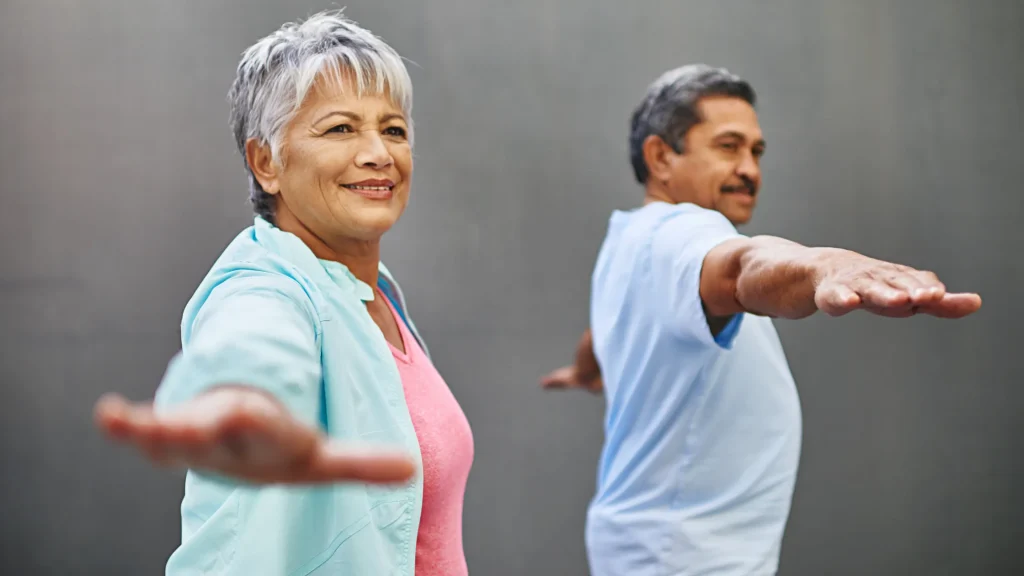
ما هو الوقت المثالي من اليوم لممارسة اليوغا التي تركز على المفاصل؟
غالباً ما تكون ساعات الصباح هي الأصعب بالنسبة لكبار السن الذين يعانون من آلام المفاصل الموسمية. فقلة الحركة طوال الليل تسمح للسائل الزلالي بالتكاثف، مما يؤدي إلى تيبس واضح في الصباح.
يساعد أداء تمارين اليوغا اللطيفة لمدة 10 دقائق بعد الاستيقاظ مباشرة على تدفئة الجسم وتنشيط المفاصل المتيبسة استعداداً لليوم التالي.
ومع ذلك، يمكن لجلسة مسائية خفيفة أن تخفف التوتر المتراكم من الأنشطة اليومية، مما يعزز جودة النوم.
إن اختيار وقت ثابت كل يوم يضمن أن يبني جسمك إيقاعًا موثوقًا به من الحركة والراحة.
كيف يمكن للدعائم أن تُخصّص تمارين اليوغا بشكل آمن؟
توفر أدوات اليوغا دعماً أساسياً لكبار السن الذين يعانون من محدودية حركة المفاصل.
إن استخدام أدوات مثل مكعبات اليوغا، أو الوسائد السميكة، أو الكراسي المتينة يزيل الضغط غير الضروري على الرسغين والركبتين والكاحلين الهشة.
يُغني الكرسي عن الحاجة إلى النهوض والجلوس من الأرض، مما يحافظ على التوازن ويمنع السقوط.
تعمل قطع الفوم على تقريب الأرض منك، مما يسمح بتمدد مريح دون الإفراط في تمديد الوركين المتصلبين.
إن تكييف التمارين باستخدام أدوات بسيطة يضمن أن تظل اليوغا آمنة ومحفزة ومتاحة بغض النظر عن مستوى الحركة الحالي لديك.
الأسئلة الشائعة
هل يمكنني ممارسة اليوغا إذا كنت أعاني من التهاب مفصل الركبة أو الورك الحاد؟
نعم، لا تزال تمارين اليوغا المعدلة فعالة للغاية في حالات التهاب المفاصل المتقدم. تعمل التمارين التي تُمارس على الكرسي على تخفيف الضغط على الركبتين والوركين مع توفير فوائد الحركة الكاملة للعضلات المحيطة.
كم مرة ينبغي على كبار السن ممارسة اليوغا لتخفيف آلام المفاصل؟
توفر الجلسات اليومية القصيرة التي تتراوح مدتها بين 10 و15 دقيقة راحةً أفضل مقارنةً بالتمارين الأطول والأقصر. ويحافظ الانتظام على تدفق السائل الزلالي ويمنع تراكم التيبس اليومي.
هل درجة حرارة الغرفة الدافئة ضرورية للتمرين؟
تساعد الغرفة الدافئة على إرخاء العضلات المشدودة بشكل أسرع. تجنب ممارسة الرياضة في الأماكن الباردة، لأن الهواء البارد يتسبب في انقباض العضلات بشكل لا إرادي.
++ سلسلة فيديوهات اليوغا لالتهاب المفاصل
++ اليوغا لالتهاب المفاصل: وضعيات آمنة لتحسين المرونة بدون ألم