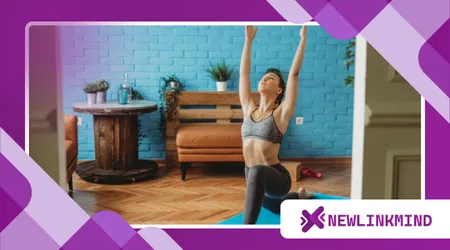
I didn’t expect yoga to change much. I was just looking for something simple to do at home—some kind of movement that didn’t feel like a chore.
But over time, I realized yoga was doing something deeper. Without even trying, I began feeling more grounded, less reactive, and surprisingly well-rested.
Looking back, yoga at home helped me reduce stress in ways I never saw coming. And my sleep? Better than it had been in years.
Creating a Quiet Space Changed Everything
At first, it was just a corner of my room. A mat, a pillow, and a little space near the window. That’s all it took. Something about having a designated spot—even if small—made the practice feel real. I didn’t need to book a class or drive anywhere. I just had to show up.
That shift made consistency possible. And consistency made the results possible. I wasn’t chasing perfect form. I was just moving, breathing, and noticing. Every time I showed up, the noise in my head softened. The urgency in my chest faded. That space, both physical and mental, became a reset button.
The Body Starts to Speak—And So Does the Breath
One of the first things I noticed was how tense I really was. My jaw. My shoulders. My lower back. I had been carrying stress in places I didn’t even think about. Through daily movement and breathwork, I started to loosen those patterns.
It wasn’t just physical tension—it was emotional, too. Simple poses like child’s pose or legs-up-the-wall felt like an emotional exhale. I didn’t always know what I was releasing, but I knew I felt lighter after. And the breath—slow, steady, deep—became something I carried with me into the rest of my day.
I no longer held my breath in stressful meetings. I didn’t clench during traffic. My body learned to pause first, rather than react. That’s when I realized: yoga at home helped me reduce stress, not by removing problems—but by changing how I faced them.
Read also: How Yoga Enhances Joint Health for Seniors
How Sleep Transformed Along the Way
I wasn’t expecting sleep to improve. But it did—naturally and steadily.
Before yoga, I’d toss and turn. My mind would race through unfinished tasks and past conversations. Even when I was tired, I couldn’t settle. But yoga helped quiet that mental clutter. Evening routines, especially with forward folds and gentle breathwork, signaled my body to wind down.
Some nights I’d follow a guided practice for sleep. Other nights, I’d simply do a few stretches and breathe in silence. I started falling asleep faster. I stopped waking up in the middle of the night. And most importantly, I began waking up with a sense of rest—not exhaustion.
Why Home Practice Works Better Than You Think
Practicing at home took the pressure off. No mirrors, no comparisons, no instructor telling me what I “should” be doing. I had room to explore. To pause. To skip poses that didn’t feel right. That freedom made it sustainable.
I didn’t need to be flexible. I didn’t need fancy equipment. I just needed a little time, a little curiosity, and the willingness to keep showing up.
Over time, the practice evolved from a habit into a form of self-respect. It reminded me, each day, that my body mattered. That my peace mattered. That I could still choose softness, even when life felt hard.
Small Shifts, Lasting Results
The biggest takeaway wasn’t just reduced stress or better sleep—it was the return of inner agency. I stopped feeling like life was happening to me.
That realization didn’t come with a dramatic moment. It came gradually, in the quiet space between one breath and the next.
Yoga showed me that change doesn’t have to be massive to be meaningful. A five-minute stretch in the morning, a few deep breaths before sleep, a moment of stillness instead of reacting with tension—those are the shifts that rewired my daily experience. They didn’t demand time I didn’t have. They just required intention.
What began as a physical practice slowly became mental resilience. I noticed I wasn’t clenching my jaw during arguments. I didn’t spiral when plans changed. I had access to a calm that felt earned, not borrowed. The pause became part of me.
Yoga became more than movement. It became a reminder that I could slow down without falling behind. That I could rest without guilt. That I could breathe, even when everything felt tight. And each time I honored that space on the mat, I carried a piece of it into the rest of my day.
These weren’t overnight changes. But they were real. And they stuck—because they came from within. And once you feel that shift—even once—you realize you never want to live without it again.
Conclusion: A New Way to Wake Up and Wind Down
Yoga didn’t erase my stress. It didn’t guarantee perfect sleep every night. But it gave me tools—real ones—to meet life with more presence and less panic. It taught me that rest isn’t a luxury, and calm isn’t accidental.
Yoga at home helped me reduce stress because it gave me space to feel. To move. To breathe. And eventually, to rest.
Now, I begin and end many days on that same mat near the window. And no matter what kind of day I’ve had, that space reminds me that stillness is always an option.
That I can always return to it. And that peace—true, grounded peace—starts with one breath, right where I am.
FAQ: What to Know About Practicing Yoga at Home
How long did it take to feel a difference?
Within the first two weeks, I noticed I was less reactive during the day. Sleep improvements came around week three or four.
What style of yoga works best for stress and sleep?
Gentle yoga, yin, and restorative are great for calming the nervous system. Evening routines with deep breathing are especially helpful.
Do I need any special equipment?
No. A mat is helpful, but even a towel on the floor can work. Cushions or folded blankets make poses more comfortable, especially for knees and hips.
What if I miss a day or two?
That’s okay. The point isn’t perfection—it’s consistency over time. You can always return. Yoga is forgiving.
Can beginners really get benefits from home practice?
Absolutely. The key is to go slowly, listen to your body, and focus more on presence than performance. There are many beginner-friendly online resources available.
Leave a Reply
You must be logged in to post a comment.