Mornings for busy parents with limited free time often feel like a race against an invisible clock. However, carving out just five minutes for meditation isn’t about escaping reality; it is about building the neurological resilience to handle it.
By prioritizing mental clarity before the household wakes, you transform from a reactive observer into a grounded, intentional anchor for your family.

Summary of Mindfulness Strategies
- The neurobiology of micro-meditations.
- Integrating breathwork into chaotic routines.
- Dissolving psychological barriers to stillness.
- Digital tools for cognitive efficiency.
- Curating sensory environments at home.
Why is Morning Meditation Essential for Busy Parents With Limited Free Time?
By 2026, our digital-heavy lifestyle imposes a cognitive load that makes neurological recovery a survival skill rather than a luxury. Chronic stress frequently hijacks the nervous system, leading to a weary cycle of reactive parenting.
Neurological shifts occur when we commit to stillness; specifically, the amygdala tends to shrink while the prefrontal cortex strengthens. This biological upgrade allows us to meet household friction with a steady hand instead of instinctive frustration.
Reclaiming the first ten minutes of the day creates a psychological firewall. Instead of surrendering your autonomy to the immediate demands of a smartphone, you anchor your consciousness in intentional, controlled breathing.
How Can You Start Meditating with Only Five Minutes?
The stubborn myth that meditation requires monastic isolation often discourages busy parents with limited free time. Practical success lies in “habit stacking”—tethering a three-minute session to the steam of your first cup of coffee.
Begin by simply sitting and observing the cool air entering your nostrils. When your mind inevitably drifts toward the looming logistics of school runs and deadlines, notice the thought without giving it power.
Gently redirect your focus back to the physical sensation of breathing. This repetitive act of returning to the present is where the actual mental resilience is forged, strengthening your ability to remain present later on.
What Are the Most Effective Micro-Meditation Techniques?
Box breathing and tactical visualization offer immediate physiological relief for those running on a tight schedule. These methods can lower heart rates in seconds, functioning as a manual override for a stressed brain.
Alternatively, try “sensory grounding” by isolating three specific sounds and two distinct textures. This technique halts “future-tripping” anxiety—that frantic mental rehearsal of catastrophes—by forcing the brain to process immediate, tangible data.
Efficiency is paramount when you are balancing professional output with domestic life. According to 2026 wellness insights from the National Center for Complementary and Integrative Health, even brief, focused sessions significantly enhance daily emotional regulation.

Which Meditation Apps Best Support Parents in 2026? Busy Parents With Limited Free Time
Modern technology provides hyper-personalized AI guides that sync with your biological data. These platforms now analyze stress markers via wearables to curate breathing patterns that address your specific nervous system needs.
++ Morning Meditation for Athletes Enhances Training Recovery
| App Name | Primary Parental Utility | Time Investment | 2026 User Rating |
| MindfulFlow AI | Adaptive Stress Sensing | 1–10 Minutes | 4.9/5 |
| ParentZen | Child-Inclusive Sessions | 3–5 Minutes | 4.7/5 |
| BriefPause | Haptic Breath Guiding | 2 Minutes | 4.8/5 |
When is the Best Time to Practice Mindfulness at Home?
While the ideal is a quiet dawn, flexibility is the ultimate survival tool for busy parents with limited free time. If your children wake up early, pivot your practice to the sanctuary of the shower.
The tactile sensation of water provides a natural sensory anchor for mindful observation. Focus on the temperature and the sound, using the moment to rinse away the lingering mental fatigue of the previous night.
Consistency will always outperform duration in the architecture of habit formation. Two minutes practiced with absolute devotion every single morning is infinitely more transformative than an hour-long session once a month.
How Does Meditation Improve Parental Patience and Focus?
Practicing non-reactivity on a cushion builds a “buffer zone” between an external trigger and your internal response. This tiny gap of time is where your ability to choose peace over anger actually lives.
When a toddler creates a mess or a teenager tests a boundary, your brain recalls the calm state practiced at dawn. You become the steady shoreline rather than getting swept away by the family’s emotional tides.
Read more: Morning Meditation for Mood Calibration
Research indicates that mindful parents report significantly higher life satisfaction and improved sleep hygiene. Investing in your internal quietude isn’t selfish; it’s an essential contribution to a more harmonious, supportive household.
What Environmental Adjustments Enhance Short Sessions?
You don’t need a minimalist studio to find silence in a suburban home. A specific corner of the kitchen or a designated chair can act as a psychological trigger for immediate relaxation.
Keep noise-canceling headphones within reach to carve out a sonic void amidst the morning’s domestic clatter. Introducing a singular scent, like cedar or lavender, further signals to your brain that it is time to decompress.
++ Yoga for Seniors and Social Engagement in Group Classes
These small physical cues streamline the transition into a meditative state. Over time, your nervous system learns to recognize these signals, allowing you to drop into a state of focus almost instantly.
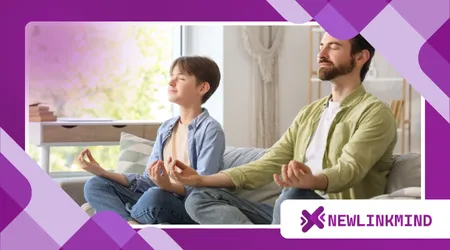
Reclaiming Your Morning Peace
Finding stillness is a fundamental necessity for maintaining health in a high-velocity world. By leaning into micro-sessions, you shift your daily narrative from merely surviving the chaos to intentionally directing your energy.
The reality is that busy parents with limited free time possess a unique strength—the ability to find depth in brevity. Start tomorrow with just sixty seconds of breath and watch how the rest of your day follows.
Your family deserves a parent who is present, and you deserve a mind that feels like home. Peace begins with the very next breath you take, long before the world demands your attention.
For further exploration into how mindfulness scales with family life, review the clinical perspectives shared by the Mayo Clinic.
FAQ: Overcoming Parental Obstacles
What if I can’t stop my mind from racing?
The goal isn’t to stop thoughts, but to change your relationship with them. View your thoughts like passing cars; you can watch them go by without having to jump in and drive.
Is it okay to meditate while lying in bed?
Sitting up is generally preferred to maintain alertness, but if bed is your only quiet space, use it. The best meditation style is the one you actually show up for every day.
Can I meditate with my children in the room?
Yes, and it serves as a powerful silent lesson in self-regulation. If they see you prioritizing your mental health, they learn that emotional well-being is a non-negotiable part of life.
How long before I see real results in my mood?
Immediate physiological relief often happens in minutes, but the lasting structural changes in the brain usually become evident after about eight weeks of steady, daily practice.
Do I need expensive equipment to start?
Mindfulness is entirely free and requires only your lungs and a moment of awareness. While apps offer great structure, the most sophisticated tool for peace is already residing within your own chest.