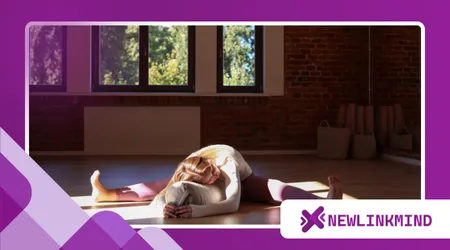
From Studio Energy to Solo Practice: Rebuilding Motivation at Home is the essential transition for practitioners seeking to maintain their physical and mental discipline outside the classroom.
Moving your practice from a high-energy studio to the quiet corners of your living room presents unique psychological and logistical challenges that require specific strategic adjustments.
Summary of This Guide
- The psychology of environmental shifts in yoga.
- Technological tools for home practice in 2026.
- Scientific benefits of solitary movement.
- Strategic scheduling for long-term consistency.
- Expert tips for sensory optimization.
What is the Psychology Behind the Shift From Studio Energy to Solo Practice?
The collective resonance of a group class creates a phenomenon known as “social facilitation,” where the presence of others naturally boosts your physical performance and focus levels.
When you transition from studio energy to solo practice, you lose that external mirror, forcing your brain to generate its own intrinsic motivation and internal rhythm.
Current neurobiological research suggests that practicing alone enhances self-awareness by reducing external stimuli, allowing for a deeper connection with the parasympathetic nervous system during complex movements.
While the studio offers community, the home environment fosters a raw, unfiltered exploration of your personal physical limits and emotional state without any social pressure.
Modern practitioners in 2026 are increasingly utilizing biofeedback wearables to bridge this gap, replacing the teacher’s watchful eye with real-time data on heart rate variability and respiratory flow.
This data-driven approach transforms a lonely living room session into a sophisticated, personalized laboratory for physical and mental evolution.
How Does Home Environment Design Affect Practitioner Consistency?
Your physical space acts as a subconscious trigger for habit formation; therefore, a cluttered room often leads to a cluttered mind and a distracted, ineffective practice session.
Establishing a dedicated “sacred space” helps the brain enter a flow state more quickly, effectively bridging the gap from studio energy to solo practice environments.
Lighting plays a crucial role in regulating circadian rhythms, so practitioners should ideally position their mats near natural light sources or use smart bulbs that mimic dawn cycles.
Investing in high-quality, sustainable materials like natural cork or non-toxic rubber improves tactile feedback, making the transition feel more premium and professional despite being at home.
According to the International Association of Yoga Therapists, personalized environments allow for therapeutic modifications that are often overlooked in crowded commercial studios, leading to safer and more effective long-term results.
By curating your scents, sounds, and temperature, you create a sensory anchor that signals to your nervous system it is time for deep work.
Why Is Intrinsic Motivation More Sustainable Than Group Pressure?
While a charismatic instructor provides immediate “extrinsic” motivation, relying solely on outside energy can make your practice fragile and dependent on someone else’s schedule or availability.
Transitioning from studio energy to solo practice requires developing “intrinsic” motivation, which is the internal drive to move simply because it feels rewarding and healthy.
Studies in 2026 indicate that practitioners who self-guide at least twice weekly show higher levels of resilience and self-efficacy compared to those who only attend led classes.
This independence fosters a creative ownership of the practice, allowing you to linger in poses that feel beneficial or skip those that aggravate current injuries.
Read more: Practicing Yoga in a Shared Home
Building this internal fire takes time and patience, often starting with shorter, ten-minute sessions that focus on breathwork before expanding into full ninety-minute physical flows.
Eventually, the autonomy of home practice becomes more addictive than the studio vibe, as the rewards are purely personal and tailored to your specific daily needs.
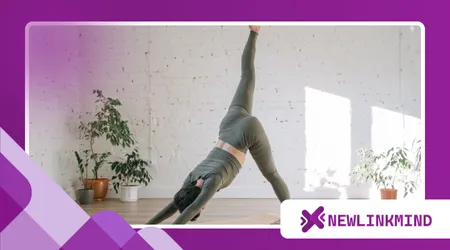
Which Tools Enhance the Transition From Studio Energy to Solo Practice?
Technology has evolved to offer immersive experiences that rival the communal feel of a physical building, including spatial audio and holographic instruction that guides your alignment.
These 2026 innovations allow you to feel the presence of a global community while maintaining the privacy and convenience of your own residential space.
++ How to Build a Home Yoga Routine from Scratch
The following table highlights the key differences between traditional studio settings and the modern home practice model, helping you identify areas for specific investment and focus.
Comparison: Studio vs. Home Practice Dynamics (2026 Data)
| Feature | Traditional Studio | Modern Home Practice |
| Motivation Source | Social Facilitation | Biofeedback & Self-Drive |
| Schedule | Fixed Class Times | On-Demand & Flexible |
| Instruction | General Group Cues | AI-Personalized / Self-Led |
| Environment | Controlled / Shared | Optimized / Private |
| Cost (Annual) | $1,800 – $3,000 | $200 – $600 (Tech/Gear) |
| Focus Type | External / Comparative | Internal / Introspective |
What Are the Best Strategies for Overcoming Home Distractions? From Studio Energy to Solo Practice
Distractions are the primary enemy of the solitary yogi, ranging from household chores calling for attention to the constant pings of digital devices that interrupt your focus.
Successfully moving from studio energy to solo practice requires a “digital sunset” policy, where phones are placed in another room to ensure a focused, uninterrupted mental space.
Setting a non-negotiable “appointment” with yourself on your digital calendar helps legitimize the practice in the eyes of family members or roommates who might otherwise interrupt.
Read here: The 5-Senses Morning Meditation
Using noise-canceling headphones or specialized frequency playlists can also create an auditory “bubble,” effectively shutting out the sounds of the neighborhood or your bustling household.
Expert practitioners recommend a “five-minute rule”: commit to just five minutes on the mat when motivation is low, which usually overcomes the initial mental friction of starting.
Most of the time, once the body begins to move, the desire to finish a full session naturally arises without any further forced effort.
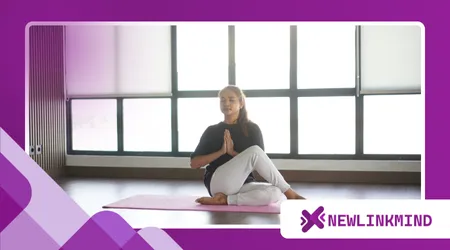
When Should You Incorporate Advanced Self-Guided Sequencing?
Advanced sequencing should be introduced once you have a firm grasp of foundational alignment and can listen to your body’s subtle signals regarding pain versus discomfort.
The journey from studio energy to solo practice is the perfect time to experiment with “intuitive sequencing,” where you move based on what your muscles need.
Start by mirroring sequences you learned in classes, then slowly begin to alter the transitions or hold times to better suit your current energy levels and goals.
This gradual shift into autonomy prevents injury and ensures that your home practice remains technically sound while gaining the benefits of personalized, creative physical expression.
If you feel stuck, utilize reputable platforms like Yoga Journal to research specific anatomical focuses or philosophy-based sequences that can breathe new life into your daily routine.
Documenting your sequences in a journal can also help track progress and identify patterns in your physical development that you might miss in group settings.
From Studio Energy to Solo Practice
The evolution from studio energy to solo practice is not just a change in location, but a profound shift in how you relate to your own body and mind.
By optimizing your environment, leveraging modern technology, and cultivating internal discipline, you turn your home into a sanctuary of high-level performance and deep, lasting peace.
While the energy of a group class is undeniable, the resilience and self-knowledge gained from a solitary practice are the true hallmarks of an advanced, dedicated modern yogi.
Embrace the quiet, trust your intuition, and allow your home mat to become the place where your most significant physical and spiritual breakthroughs finally occur in 2026.
For more insights on optimizing your wellness routine, visit the National Center for Complementary and Integrative Health for research-based health information.
FAQ: Mastering Your Home Yoga Practice
How often should I practice at home to see real results?
Consistency matters more than duration; practicing for 20 minutes daily is generally more effective for habit formation than one long two-hour session once a week.
Do I need expensive equipment for a successful home setup?
No, the most important elements are a non-slip mat and a quiet space, though blocks and straps can significantly help with proper alignment and safety.
Can I still learn new poses without a teacher present?
Yes, by using high-quality video tutorials and filming yourself to check alignment, you can safely progress, provided you move slowly and avoid forcing any positions.
What if I lose motivation after just a few days?
This is normal; try joining an online “challenge” or finding an accountability partner to check in with, which helps replicate some of that missing studio energy.
Is it better to practice in the morning or evening at home?
The best time is whenever you can be consistent, though morning sessions often help set a calm, focused tone for the rest of your busy day.