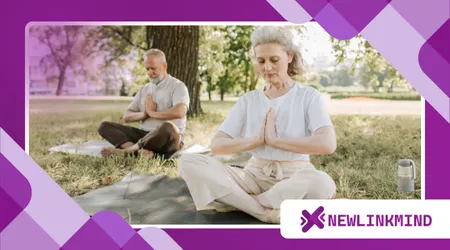
Integrating a Lifetime of Memories into a daily meditation practice offers seniors a profound pathway toward emotional clarity, cognitive resilience, and a deeply grounded sense of self-worth.
Summary
- The Science of Recall: Understanding how meditation aids memory processing.
- Emotional Regulation: Managing the weight of a long personal history.
- Practical Techniques: Visualization and mindfulness for nostalgic reflection.
- Cognitive Benefits: Strengthening neural pathways through intentional reflection.
- Expert Guidance: Tips for navigating difficult or bittersweet recollections safely.
Why is a Lifetime of Memories Significant in Senior Meditation?
As we age, our brains naturally shift toward a phase psychologists call “life review.” This isn’t merely a passive act of remembering past events or old friends.
A Lifetime of Memories serves as a rich, internal library that provides context to our present identity and helps us find meaning in our diverse life experiences.
Meditation allows seniors to sit with these recollections without judgment, transforming what might feel like an overwhelming mental clutter into a structured, peaceful narrative of growth.
By approaching the past through a lens of mindfulness, older adults can resolve lingering regrets and celebrate forgotten triumphs, fostering a much healthier psychological state.
Neurologically, this process engages the hippocampus and prefrontal cortex, areas vital for emotional regulation and memory consolidation, which often face challenges during the natural aging process.
How Does Mindfulness Help Seniors Process the Past?
Mindfulness teaches the art of observation, allowing individuals to view their Lifetime of Memories as a sequence of events rather than a source of current emotional distress.
Instead of getting “lost” in nostalgia, the practitioner learns to witness a memory, acknowledge the feeling it evokes, and then gently return to the present breathing rhythm.
This detachment is crucial for processing “bittersweet” moments, where joy and loss often overlap, providing a safe mental space to explore complex feelings without becoming emotionally overwhelmed.
Consistent practice reduces the “fight or flight” response often triggered by stressful recollections, replacing anxiety with a sense of calm acceptance and profound personal wisdom.
Furthermore, mindfulness encourages the brain to build “cognitive reserve,” a term used by researchers at the National Institute on Aging to describe the brain’s ability to improvise and overcome challenges.
What Are the Best Meditation Techniques for Memory Integration?
The most effective approach involves “Reflective Visualization,” where the senior imagines their Lifetime of Memories as a vast, sunlit gallery or a quiet, flowing river.
Begin by sitting comfortably and focusing on the breath for five minutes to stabilize the mind before intentionally inviting a specific period of life into your awareness.
Read more: How Meditation Supports Emotional Transitions in Retirement
If a memory feels heavy, use the “Labeling Technique” by silently saying “remembering” or “feeling,” which creates a healthy distance between the observer and the mental image.
Focusing on sensory details—the scent of a childhood kitchen or the sound of a specific voice—can make the integration process more vivid and grounded in reality.
Ending each session with a “Gratitude Scan” ensures that the practitioner leaves the meditation feeling empowered by their history rather than burdened by the sheer volume of their experiences.
Which Cognitive Benefits Arise from Intentional Reflection?
Engaging with a Lifetime of Memories through meditation does more than provide emotional comfort; it actively stimulates the neuroplasticity required to maintain sharp mental faculties.
Read here: What Happens to the Brain When Seniors Meditate
Studies indicate that seniors who engage in structured life-review meditation show improved scores in verbal fluency and better performance on executive function tasks compared to those who don’t.
| Metric of Cognitive Health | Impact of Meditative Reflection | Long-term Benefit |
| Cortisol Levels | Average reduction of 15-20% | Lower systemic inflammation |
| Hippocampal Volume | Slower rate of age-related atrophy | Enhanced spatial memory |
| Sleep Quality | 30% improvement in REM cycles | Better memory consolidation |
| Social Engagement | Increased desire for storytelling | Reduced feelings of isolation |
Data based on clinical observations of mindfulness-based stress reduction (MBSR) programs for adults aged 65+.
When Should Seniors Seek Guidance for Emotional Processing?
While exploring a Lifetime of Memories is generally therapeutic, certain recollections involving trauma or deep grief may require the presence of a certified therapist or guide.
If meditation consistently leads to heart palpitations, intrusive thoughts, or a sense of hopelessness, it is vital to pivot toward “Trauma-Informed Mindfulness” with professional support.
The goal of processing the past is to find peace, so if a particular memory feels like a “wall” rather than a “door,” it is perfectly okay to bypass it.
Community-based meditation groups for seniors offer a supportive environment where shared experiences can normalize the challenges of looking back, reducing the weight of individual burdens.
Acknowledge that your history is a work in progress; there is no rush to “solve” every mystery of your life in a single sitting or meditation session.
What Role Does Forgiveness Play in Recalling the Past? Lifetime of Memories
Forgiveness is often the final piece of the puzzle when navigating a Lifetime of Memories, allowing seniors to release the heavy anchors of resentment or self-blame.
Meditating on forgiveness doesn’t mean condoning past mistakes, but rather choosing to no longer let those ghosts dictate the quality of your peace in the present moment.
By sending “Metta” or loving-kindness to your younger self, you bridge the gap between who you were then and the person of wisdom you have become today.
This practice fosters a sense of “Ego Integrity,” a developmental stage identified by Erik Erikson where one views their life as a meaningful and successful whole.
Letting go of “what ifs” allows the mind to focus on the “what is,” creating space for joy and connection in the current golden years of life.
Embracing the Narrative of Your Life
Processing a Lifetime of Memories is not a task to be finished, but a journey of continuous discovery that honors the complexity of the human experience.
Through the gentle discipline of meditation, seniors can transform their past into a source of strength, using mindfulness to weave together the many threads of their unique history.
This practice ensures that the final chapters of life are written with a pen dipped in clarity, resilience, and profound self-acceptance.
For more resources on maintaining mental wellness as you age, visit the American Psychological Association for evidence-based insights into senior health.
FAQ: Meditation and Memory
Can meditation help with early-stage memory loss?
While meditation isn’t a cure for dementia, it significantly reduces stress and anxiety, which are known to exacerbate the symptoms of cognitive decline and forgetfulness.
How long should a senior meditate each day?
Consistency is more important than duration; starting with just 10 to 15 minutes of focused breathing or reflection each morning can yield noticeable emotional benefits.
Is it normal to feel sad during memory meditation?
Yes, feeling sadness is a natural part of processing loss; mindfulness allows you to experience that emotion fully without letting it overwhelm your current sense of peace.
Do I need special equipment for this practice?
No special equipment is required, though a comfortable chair that supports the spine and a quiet, well-lit room can help create a conducive environment for deep reflection.
Can I meditate while looking at old photographs?
Absolutely; using photographs as a “focal point” (Drishti) is a wonderful way to anchor your meditation and gently guide your mind through your personal history.
++ 6 Benefits of Meditation for Seniors
++ Exploring the Impact of Meditation on Memory in Elderly Individuals