
Chair meditation for seniors is revolutionizing accessibility in mindfulness. This gentle yet profound technique opens the doors to tranquility for older adults.
It skillfully addresses the unique physical challenges that often accompany aging.
Mindfulness is not exclusive to yoga mats or silent retreats. It is a universal practice.
For many seniors, traditional seated meditation presents difficulties. Physical discomfort can quickly disrupt focus.
This adaptation, sitting comfortably in a chair, offers a viable and stable alternative.
It is a powerful tool for enhancing mental and physical well-being. This method demonstrates an intelligent evolution in wellness practices.
It provides all the cognitive benefits of deep meditation. Simultaneously, it eliminates the unnecessary strain on joints and muscles.
The simplicity of the practice is its greatest strength.
The core principle remains the same: sustained, non-judgmental awareness of the present moment.
The chair simply becomes a supportive foundation for this important inner journey.
Why Is Chair Meditation for Seniors Gaining Such Popularity?
Physical limitations should never be a barrier to mental health. Aging often brings reduced flexibility and mobility issues. Finding a comfortable position is crucial.
Traditional cross-legged sitting can cause knee, hip, or back pain. Such discomfort transforms a peaceful session into an agonizing endurance test. This defeats the purpose of mindfulness.
The chair provides robust support for the spine and lower body.
This stability permits longer, deeper periods of concentration. Consistent practice yields the greatest rewards.
It allows practitioners to focus fully on breath and awareness. They are not battling persistent physical distractions. This makes the practice infinitely more approachable.
Furthermore, the seated position minimizes the risk of falls.
Safety is paramount when designing wellness programs for seniors. This aspect makes it highly appealing to caregivers.
How Does Chair Meditation Work to Enhance Senior Well-being?
The mechanisms are both psychological and physiological.
This seated practice actively engages the parasympathetic nervous system. This is the body’s natural ‘rest and digest’ regulator.
By consciously slowing and deepening the breath, practitioners induce a state of calm.
This helps to effectively counteract the body’s stress response. Chronic stress is a significant health concern.
Read more: Meditation for Senior Caregivers
Chair meditation for seniors significantly lowers cortisol levels. Elevated cortisol is linked to numerous age-related diseases. Reducing stress promotes overall vitality.
Mindfulness practice improves cognitive function. It strengthens neural pathways associated with attention and memory. Mental clarity is a highly valued outcome.
A study published in JAMA Internal Medicine in 2014 found that mindfulness meditation programs resulted in small to moderate reductions in anxiety and depression symptoms.
This research underscores the mental health benefits of the practice for various groups, including seniors.
Practicing regularly can also positively impact sleep quality. Many older adults struggle with insomnia or interrupted sleep patterns. Improved rest naturally boosts daytime energy.

What Simple Techniques Make Chair Meditation Accessible to Anyone chair meditation for seniors?
The methods are straightforward and easily mastered. The emphasis is on gentle posture and unwavering attention to the breath. No special equipment is needed beyond a sturdy chair.
First, select a chair with good back support and flat feet firmly on the ground.
Avoid leaning back completely; maintain a dignified, upright posture. Relax the shoulders away from the ears.
See how interesting: Starting Meditation in Retirement
A common technique involves the simple observation of breathing.
Notice the air entering and exiting the nostrils or the chest’s rise and fall. Keep the attention anchored to this sensation.
Another excellent method is the body scan. Systematically bring awareness to different body parts, noticing sensations without judgment.
This technique enhances interoceptive awareness.
If the mind wanders, gently acknowledge the thought and return attention to the breath.
This gentle redirection is the core skill of mindfulness. It is a powerful exercise in mental discipline.
Consider an analogical perspective: the mind is like a snow globe that has been violently shaken.
The thoughts are the flakes swirling uncontrollably. Meditation allows the flakes to settle.
In this stillness, clarity emerges. Chair meditation for seniors facilitates this settling process safely. It provides the grounding support necessary for inner peace.
Where Can Seniors Incorporate Chair Meditation into Their Daily Routine?
Integration into daily life should be seamless and non-disruptive.
Even brief moments of practice can yield substantial benefits over time. Consistency is the true key to success.
++ Meditation Techniques to Recharge Your Brain During Long Hours
Many seniors find the morning or evening hours ideal. A ten-minute session before breakfast can set a positive tone for the entire day. It creates a space of intentionality.
The practice can be discreetly integrated into various waiting periods.
Waiting for a doctor’s appointment or during commercials is a perfect opportunity. Every minute counts toward well-being.
Could our greatest gift to ourselves be five minutes of quiet awareness?
This simple commitment can fundamentally alter our stress response. Do we not deserve this simple act of self-care?
Chair meditation for seniors is highly adaptable to group settings.
It can be a wonderful, bonding activity at community centers or assisted living facilities. Shared practice enhances motivation.
| Benefit Area | Specific Impact on Seniors | Evidence/Rationale |
| Stress Reduction | Decreases resting heart rate and blood pressure | Activates the parasympathetic nervous system. |
| Cognitive Health | Improved focus and reduced mind-wandering | Strengthens the prefrontal cortex functions. |
| Emotional Regulation | Reduced symptoms of anxiety and depression | Increased non-reactivity to negative thoughts. |
| Physical Comfort | Zero strain on knees, hips, and lower back | Utilizes full back and lower body support from the chair. |
This method is an eloquent testament to the belief that aging does not necessitate a decline in mental vitality. It champions a proactive approach to mental longevity.
Chair meditation for seniors is a practice of empowerment.
It affirms that control over one’s inner state is always possible. This is a valuable realization in the later stages of life.
The ease of entry and the profound results make chair meditation for seniors an essential modern wellness tool.
Its benefits are accessible, measurable, and highly transformative.
Chair meditation for seniors embodies a respectful approach to the body’s changing needs. It provides a foundation of stillness for a more vibrant, aware life.
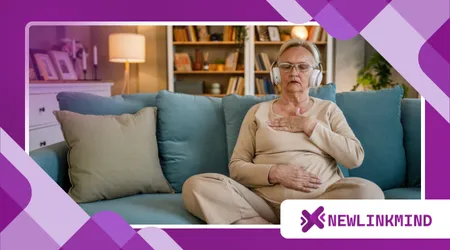
Embracing Tranquility with Chair Meditation for Seniors
The evolution of mindfulness has ensured that no one is left behind.
Chair meditation for seniors stands as a beacon of accessibility and safety. It delivers the deep benefits of meditation without physical compromise.
It is a sophisticated, evidence-based strategy for improving the quality of life in older age.
The commitment to a daily practice is a profound investment in one’s long-term health. Start with just five minutes; the benefits will unfold naturally.
Frequently Asked Questions
Is chair meditation as effective as floor meditation?
Yes, for many seniors, it is more effective because it removes the pain and discomfort that often distracts from the core practice.
The mental benefits are identical as the intention and focus remain the same.
How long should a chair meditation session last for beginners?
Beginners should start conservatively, perhaps with five to seven minutes.
They can then gradually increase the duration by a minute or two each week until they reach a comfortable twenty-minute session.
Can I use any chair for this practice?
It is best to use a chair that is sturdy, does not swivel, and allows your feet to rest flat on the floor with your knees at a 90-degree angle. Avoid overly soft or heavily cushioned furniture.
Is this practice safe if I have a back injury?
While it is generally very safe, anyone with a significant back injury or chronic pain should consult their healthcare provider before beginning any new physical or mental exercise routine.
Focus on maintaining a gentle, comfortable posture.